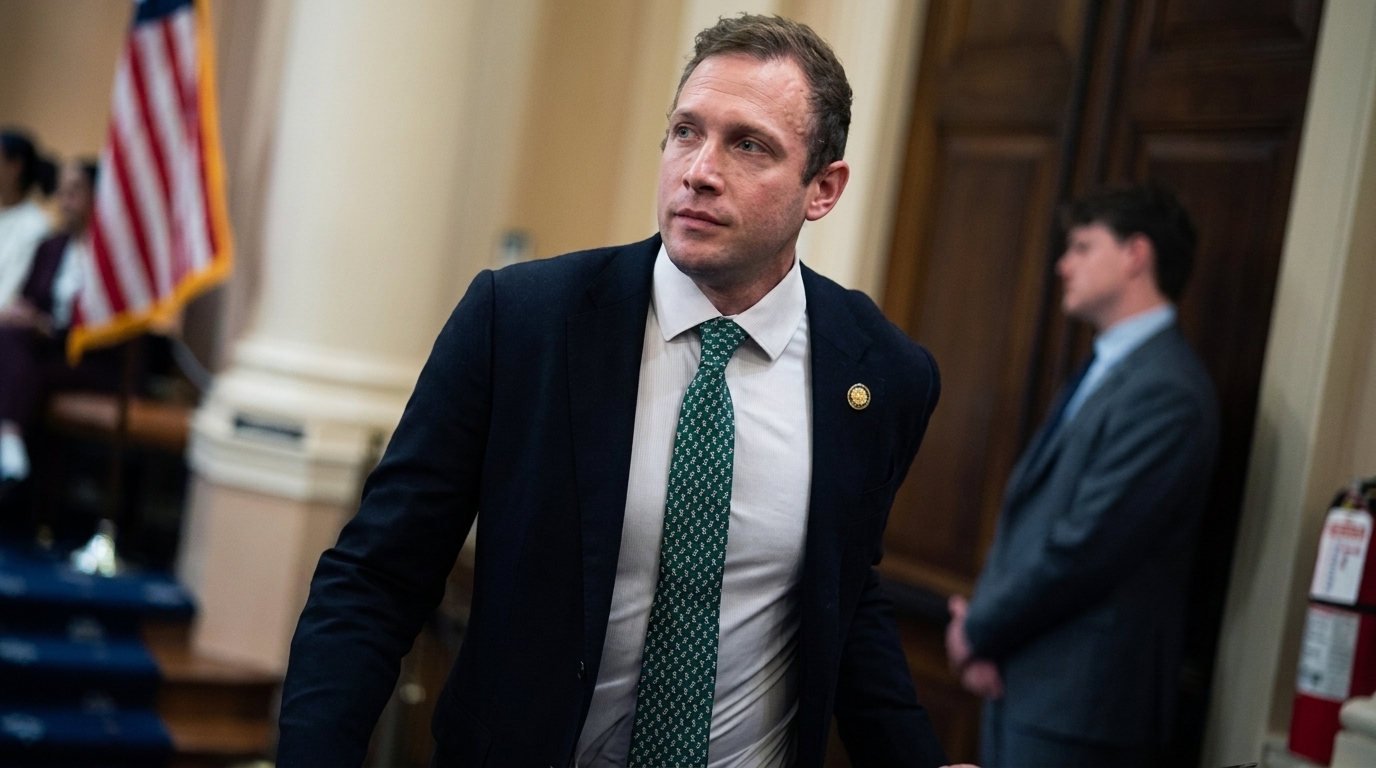
In a highly anticipated summit, New York City’s mayor-elect, Zohran Mamdani, and U.S. President Donald Trump met at the White House on November 21, 2025. The meeting came after months of harsh public rhetoric between the two men, and has now opened a new chapter in local-federal relations. In this article, we examine:
The background and context of the Mamdani-Trump meeting.
What was discussed (public safety, affordability, and federal funding).
What are the significant immediate and longer-term impacts or must be?
What does this signal for New York City, federal-local relations, and U.S. politics?
An illustrative example scene of how the meeting could play out from City Hall.
What must happen next to translate this meeting into tangible results?
Background to the Meeting
Who is Zohran Mamdani?
Zohran Mamdani is the incoming mayor of New York City, set to take office on January 1, 2026. He ran as a democratic socialist, campaigning on major themes of affordability, housing, public transit, immigration, and equity. His victory signalled a shift in New York politics and brought him into conflict with parts of the federal government.
Donald Trump’s Relationship with Mamdani
Throughout the mayoral campaign and after, Donald Trump publicly criticized Mamdani. He accused him of radicalism, even threatened to withhold federal funding from New York City if Mamdani won. So the meeting marks a dramatic pivot from confrontation to potential cooperation.
Why the White House Meeting?
The meeting was convened to discuss major concerns for New York: public safety, economic security, and affordability. Given that New York City receives billions in federal funding annually (about $7.4 billion in FY2026) and given the high stakes for both city and federal leadership, the meeting has significant implications.
What Was Discussed in the Meeting
While not all the details will be public, reporting indicates several key focus areas:
1. Public Safety and Crime
Both parties stressed public-safety concerns. Trump emphasized reducing crime and immigration enforcement; Mamdani stressed community safety and equity in law enforcement. The meeting acknowledged the challenge of balancing these concerns in a city as complex as New York.
2. Affordability & Cost of Living
The affordability crisis — housing, food prices, public transport — was central. Mamdani’s platform emphasized rent control, city-owned grocery stores, and a higher minimum wage; Trump indicated openness to them. Given the cost burden in New York, federal cooperation will matter.
3. Federal Funding & Cooperation
Federal-local relations were also high on the agenda. Trump had previously threatened to withhold funds; now he said he expected to help, not hinder. How that translates into budgetary commitments remains to be seen.
4. Immigration & Social Policy
Although not the dominant focus in public statements, immigration (especially enforcement and sanctuary policies) remains a point of tension. Mamdani criticized Trump’s deportation policies; Trump underscored the need to remove what he terms “criminal migrants.” The meeting signals a willingness to engage despite profound differences.
Why This Meeting Matters
The Mamdani – Trump meeting is more than a photo-op. Several important implications follow.
A. Symbolic Shift in Tone
This meeting signals a shift from hostility to at least cordial dialogue. After months of insults and threats, the two men emerged with praise and mutual comments. Symbolically, it suggests that ideological sparring may give way to practical cooperation.
B. Impact on Federal-Local Relations
The federal government and New York City have an interdependent relationship: federal funding, policy support, infrastructure, and oversight all matter. The meeting could lead to smoother collaboration, fewer threats, and more coordinated policy. That has direct implications for city governance.
C. Potential Policy Impacts
In public safety, housing, and affordability, federal support or policy changes can make a significant difference. If Trump and Mamdani identify shared ground, it could lead to:
Increased federal grants or favourable regulatory treatment for New York housing and transit.
Joint initiatives to reduce the cost of living.
Agreements on public-safety programs that respect both federal priorities and city goals.
D. Political Ramifications
For major players:
For Mamdani: meeting Trump grants legitimacy and access to federal support before he takes office.
For Trump: being willing to meet an ideological opponent may soften his image and extend his influence into urban policy.
For U.S. politics in general: this meeting may reflect a trend of bridge-building, or at least pragmatic cooperation across ideological divides.
What Must Happen as a Result of the Meeting
While the meeting was positive in tone, the real test lies in outcomes. Here are key areas where progress must happen:
1. Clear Federal Funding Commitments to New York
Trump must follow through with concrete funding assurances — not just rhetoric. Because New York’s budget depends heavily on federal money, action is essential. Without funding, the city risks shortfalls or policy paralysis.
2. A Joint Plan on Housing and Affordability
Affordable housing and cost of living are crisis points. A joint federal-city task force or funding stream needs to be established. Otherwise, the meeting will remain symbolic.
3. Public Safety Strategy with Shared Metrics
Both sides need to agree on metrics for crime reduction, community safety, and resource allocation. If Trump’s federal policies clash with Mamdani’s local priorities (e.g., sanctuary city protections), then tension will reign. They must craft a strategy that honours both community safety and civil rights concerns.
4. Transport and Infrastructure Aid
New York’s transit system is under stress. Federal support for modernization, subsidies, fare relief, or climate-related upgrades could be a tangible outcome. This is especially relevant given Mamdani’s campaign focus on fare-free transit.
5. Immigration Policy Coordination (or Managed Conflict)
Given their differing stances, they must either coordinate on immigration enforcement or clearly define where each party’s jurisdiction ends. Lack of clarity will produce conflict and undermine public trust.
6. Transparency and Accountability
Both men must put in place mechanisms to track whether the meeting outcomes are delivered. Press releases, public dashboards, and shared committees — all would help convert goodwill into accountability.
Example Scenario: From Meeting to Implementation at City Hall
To illustrate how this plays out on the ground, here’s an example story of how the meeting’s agreed priorities might move into action at city hall:
Scene: New York City Hall, January 2026
Mayor Zohran Mamdani sits at a large oak table in the mayor’s conference room. Across from him are city officials: the Chief of Housing, the Transit Director, a federal liaison from the Department of Housing and Urban Development (HUD). The federal liaison visited after the recent White House meeting between Mamdani and President Trump.
“Here is the federal housing grant we’ve secured,” the HUD representative says, placing a thick file on the table. “It’s $500 million over three years, contingent on your city submitting a joint affordability plan by March.”
Mamdani nods. He glances at his housing chief. “We’ll deliver. Our plan will prioritize 200,000 affordable units, city-owned grocery stores, and a $30 minimum wage by 2030.”
The transit director adds, “And federal emergency funding for the subway system — $250 million — means we can move ahead with a zero-fare pilot in the outer boroughs.”
The federal liaison smiles. “That pilot aligns with the President’s interest in cost-of-living issues in major cities.”
Mamdani leans forward. “We also drafted a public-safety collaboration: federal grants plus local reform to build community-based policing and improve response times.”
The HUD official nods approvingly. “This looks like the kind of federal-city partnership the President wants. The key is progress. We’ll monitor metrics.”
At the mayor’s podium that evening, Mamdani addresses the press. “Our meeting in the Oval Office showed something important: you can disagree without destroying the chance to work together. New York will benefit when federal and city leadership align on real issues — housing, transit, safety. We intend to deliver.”
This scenario shows how the White House meeting must translate into actionable plans at the city level, bridging ambition and reality.
Major Impacts of the Mamdani–Trump Meeting
Now, let’s analyze in detail the impacts that must result from the meeting, many of which will reveal whether it was merely symbolic or genuinely transformational.
Impact #1: New York’s Budget Stability and Federal Support
Because the Trump – Mamdani meeting signalled federal-city cooperation, one immediate positive impact must be securing federal funding for key city programs. If federal threats to cut funding continue instead, the city remains under stress. Budget stability would enable Mamdani’s agenda for housing, transit, and social services.
Impact #2: Affordability and Housing Reform
Given that both leaders emphasized affordability, the second impact must be accelerated housing reform and affordability measures. This could mean:
Federal-city joint grants to build affordable housing units.
Programs to reduce food-price inflation or grocery costs in New York.
Transit fare relief pilot projects.
If these reforms lag, public trust in city leadership and federal partnership will suffer.
Impact #3: Public Safety Partnership
Third, the meeting must lead to a coherent public-safety strategy in which federal resources support local initiatives without undermining local policy priorities. For example:
Federal funding for community outreach programs.
Data-sharing agreements between federal and city law enforcement agencies.
Investment in neighbourhood policing while maintaining oversight of civil rights.
Impact #4: Federal-City Communication Framework
A fourth must-have impact: an institutional communication framework between the White House and City Hall. Regular meetings, a liaison office, and shared metrics can prevent conflict escalation and maintain alignment. Without it, future disagreements risk undoing the goodwill from this meeting.
Impact #5: Political Symbolism Turned into Policy
Fifth, the meeting must mark a shift from symbolism to substance. A meeting of politically opposed figures is noteworthy, but the effect depends on follow-through. A must-happen impact is that this meeting becomes the springboard for real change rather than a one-time photo event.
Impact #6: Impact on U.S. Urban Policy Paradigm
A broader impact lies in national policy: this meeting could signal how urban-federal interactions evolve when local leaders hold ideologies different from those of federal leadership. If Mamdani and Trump succeed in cooperating, it may pave the way for other cities and federal governments to override partisan gridlock and focus on results.
Impact #7: Trust & Public Perception
Finally, a significant impact: improved public perception of government responsiveness. New York’s residents expect solutions. If they see real progress — lower rents, improved transit, safer streets — the public may feel more empowered. If not, cynicism will grow, and political backlash may follow.
Challenges That Must Be Addressed
For these impacts to happen, several obstacles must be managed:
Ideological mismatch: Mamdani and Trump hold very different worldviews. Aligning their agendas will require compromise and clarity.
Federal vs local jurisdiction: Some areas — immigration, law enforcement — are contested. Clear terms must be defined.
Budget constraints: Federal funding is not unlimited. City priorities must align with what the federal government is willing to support.
Public expectations: The meeting raised expectations. If follow-up is slow, criticism will mount.
Communication breakdowns: Without institutional mechanisms, miscommunication can lead to setbacks.
Media scrutiny: Given the public attention, both leaders will be held to high standards. Missed commitments will be heavily criticized.
Final Thoughts
The meeting between Zohran Mamdani and Donald Trump marks a pivotal moment for New York City, federal-local governance, and U.S. urban politics. The tone was unexpectedly positive; what remains is the real test of delivery.
In summary:
The meeting signalled a readiness to cooperate despite ideological divides.
Key areas — public safety, affordability, and federal funding — were brought to the table.
For the meeting to matter, concrete policy outcomes must follow, framed by mutual accountability.
The significant impacts that must happen include stable funding, housing reform, public-safety strategy, institutional communication, substance over symbolism, and a shift in urban-gov policy paradigms.
If these happen, the meeting will be remembered as a turning point. If not, it will be seen as a symbolic gesture without teeth.
The citizens of New York — residents dealing with high rents, transit woes, crime concerns — have a stake in this. Both leaders now carry the burden of expectations. The meeting was a start; what happens next will determine whether it becomes history or simply a footnote.