water utilities across at least seven states were hit by malicious cyber activity this week, forcing some to abandon automated systems entirely and switch to manual operations. the president’s own FBI is investigating whether iran is responsible. the president himself blamed a democratic governor for incompetence instead.
What Actually Happened
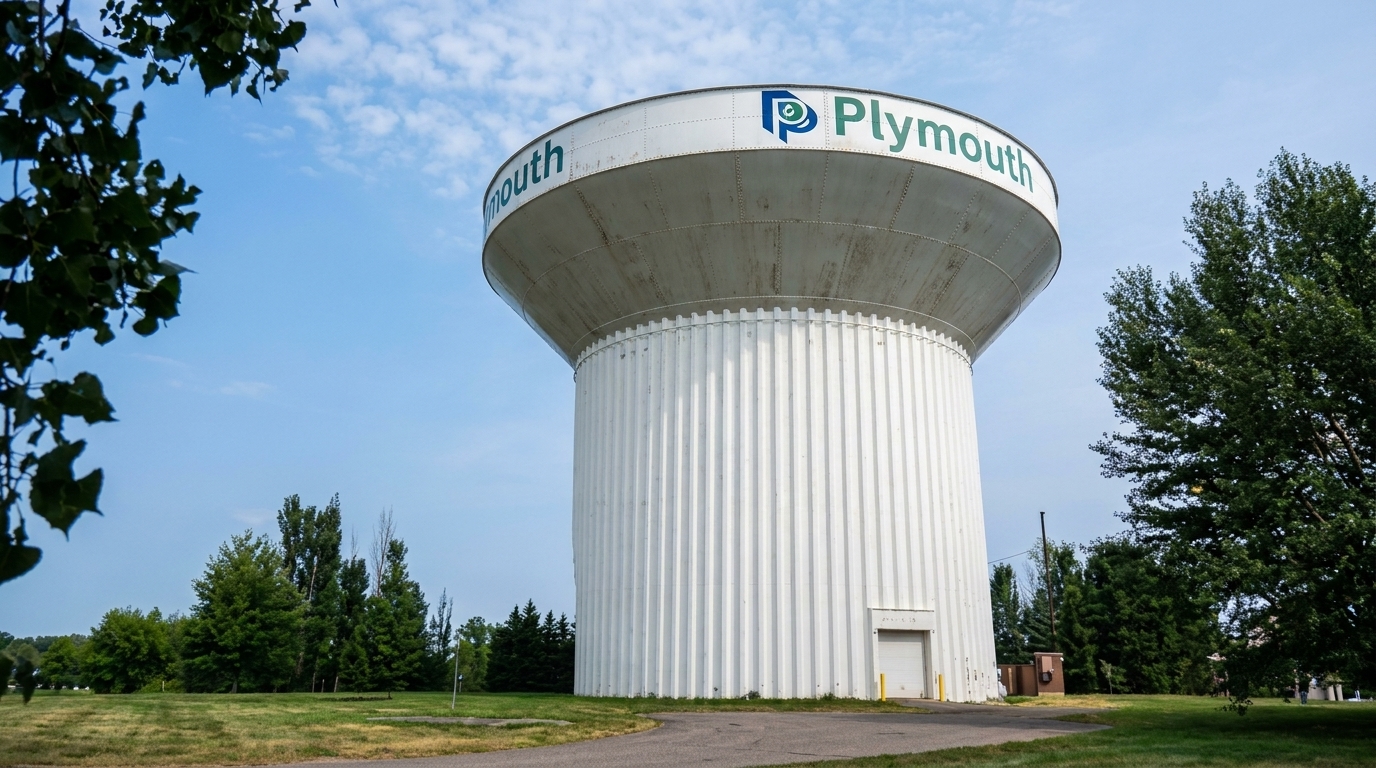
according to CBS News, technology at water systems in at least seven states was affected this week, with more than 30 community water systems in minnesota alone experiencing disruptions. one minnesota plant operator described the problem in concrete terms: the water tower was calling for more water, but the well wasn’t cooperating the machinery was receiving power but not functioning as intended. investigators then found four neighboring systems experiencing identical problems.
the malicious activity was serious enough that some utilities had to abandon automated controls and switch to manual operation just to keep water flowing safely.
thursday, the FBI and the environmental protection agency jointly issued a public service announcement warning water and wastewater utilities nationwide that hackers were actively attempting to disrupt critical water infrastructure a national-level alert, not a minnesota-specific one.
The Investigation Into Iran
a senior law enforcement official told NBC News the minnesota water cyberattack “bears all the hallmarks” of iranian-backed hackers. investigators pointed to specific technical signatures: the timing, the method, and the type of access and targets closely resembled patterns previously attributed to iranian state actors.
one detail investigators found notable no ransom was ever demanded. that absence is part of why officials lean toward viewing this as state-sponsored sabotage rather than ordinary criminal ransomware, where financial extortion is typically the point.
CBS reported that investigators, while leaning toward an iranian connection, were being cautious and had not made a definitive public attribution, and were also examining the possibility that a different actor deliberately mimicked iranian tactics to inflame tensions during the ongoing u.s.-iran war.
What Trump Said
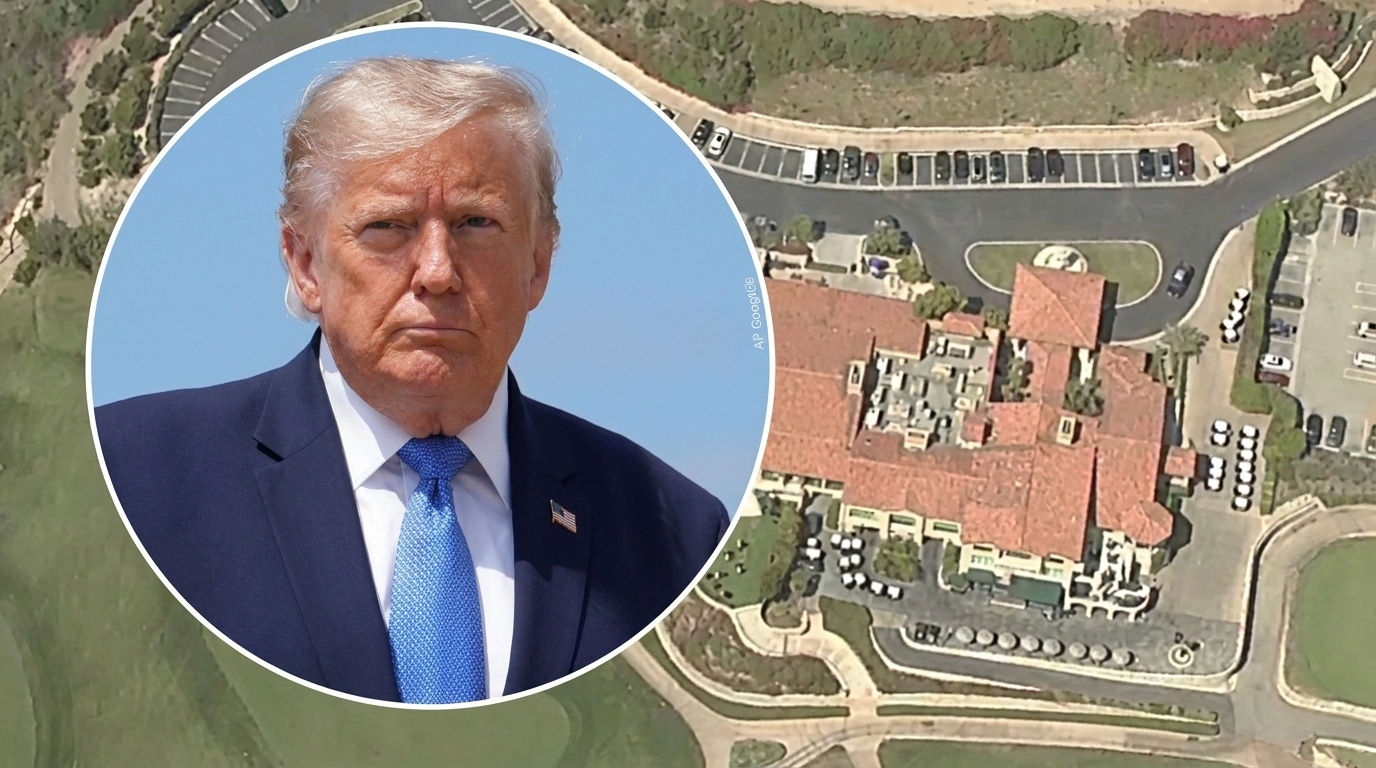
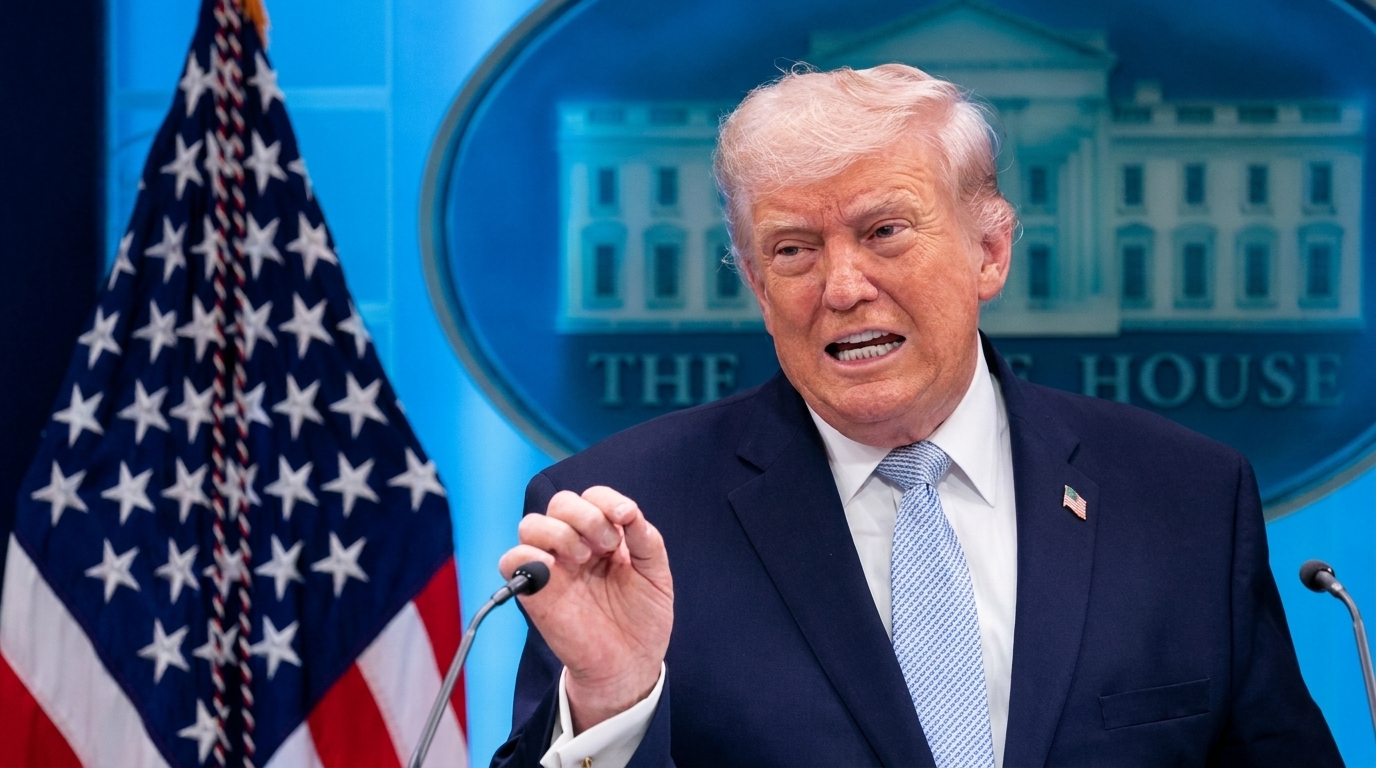
the minnesota water cyberattack trump iran divide became public during a televised cabinet meeting at camp david, where trump directly rejected the idea that iran was involved.
“you know who’s behind it? minnesota,” trump said. “because they’re grossly incompetent. i think the governor’s behind it. i don’t think there was an iranian cyberattack. i think minnesota ought to get its act together.”
he went further, dismissing the notion that iran had the capacity or interest to be involved at all: “they like to say, ‘oh, it was iran.’ iran should be so lucky. iran’s got bigger problems than worrying about minnesota.”
these comments came from the same president whose own FBI issued the joint warning with the EPA describing an active, ongoing threat to water infrastructure nationwide and whose own law enforcement officials were the ones telling reporters the attack had iranian hallmarks in the first place.
Governor Walz’s Response
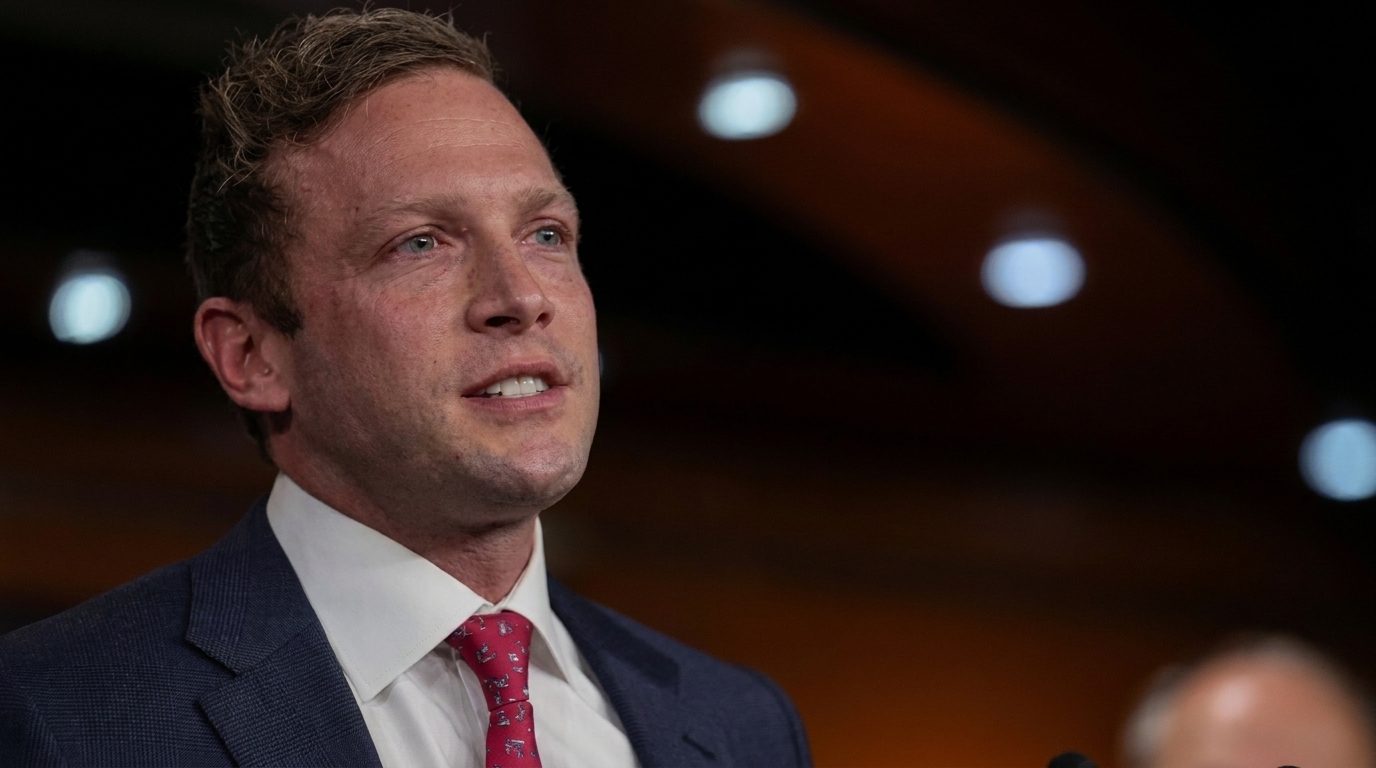
minnesota governor tim walz responded publicly within hours of trump’s remarks. he directly disputed the characterization that state incompetence was to blame, and instead pointed to federal cybersecurity funding decisions made under trump’s own administration: walz said the administration “took an axe” to the federal cybersecurity and infrastructure security agency (CISA) and, as a result, “left the u.s. exposed to cyber attacks.”
walz’s full statement pushed back sharply on the idea that trump genuinely didn’t believe iran was responsible: “trump knows exactly who is responsible for this attack, and knows that other states were hit too. this is what modern warfare looks like, and it further illustrates there’s no plan to win a war with iran.”
The Broader Pattern
the minnesota water cyberattack trump iran dispute doesn’t exist in isolation. it lands in the middle of an active, ongoing military conflict between the united states and iran that has included direct missile exchanges, strikes on oil tankers in the strait of hormuz, and repeated cycles of ceasefires breaking down. critical infrastructure attacks targeting things like water, power, and transportation systems are widely recognized by cybersecurity officials as a hallmark of modern state-level conflict that doesn’t require conventional military engagement to cause real disruption.
that context is part of why the disconnect between the administration’s own agencies and the president’s public statements has drawn attention: FBI and EPA officials describing a credible national infrastructure threat, while the president simultaneously frames the same event as a partisan story about one state’s competence.
Minnesota Water Cyberattack Trump Iran The Bottom Line
more than 30 water systems in minnesota, and utilities across at least six other states, were hit this week by an attack federal investigators say resembles iranian tactics closely enough to warrant a formal, ongoing investigation and a nationwide public warning. the president publicly rejected that framing entirely, blaming a sitting governor for incompetence instead.
whichever explanation turns out to be accurate, the country currently has two conflicting official accounts of who attacked its water infrastructure one from federal law enforcement, and one from the president himself.
follow this blog for updates as the investigation into the water systems attack continues.