The FIFA World Cup 2026 controversy Iran war ICE immigration workers strike story started before a single ball was kicked and now that the tournament has officially opened on June 12, the off-pitch drama is threatening to overshadow everything happening on it. Here is the complete picture of what is actually happening around this World Cup that the sports coverage keeps burying under match previews and group stage analysis.
The FIFA World Cup 2026 Controversy Nobody Wants to Say Out Loud: Iran Is Playing in the US During an Active War
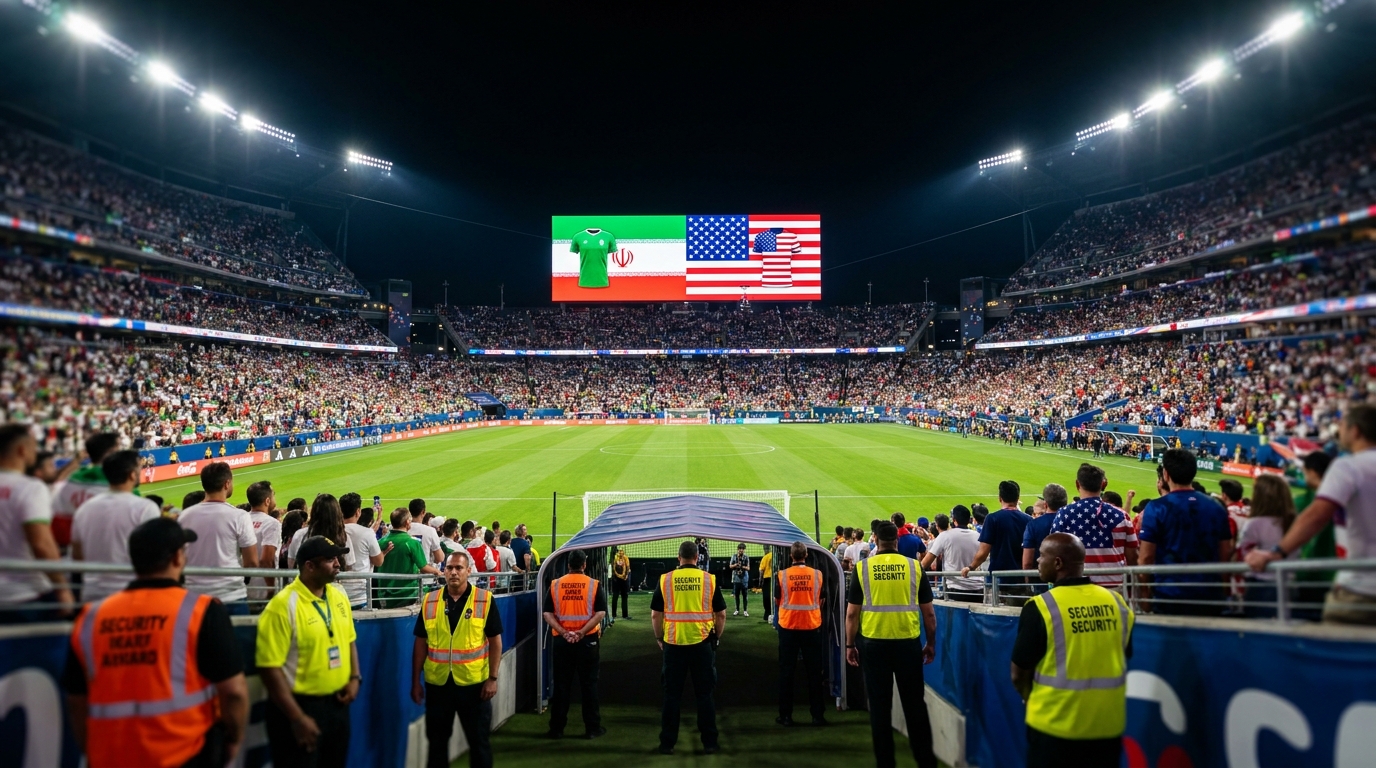
The most surreal dimension of the FIFA World Cup 2026 controversy Iran war ICE immigration workers strike situation is this: Iran’s national football team is currently competing in the United States a country that has been at active war with Iran since February 28, 2026. The US and Israel launched coordinated strikes that killed Iran’s Supreme Leader. Iran retaliated. The Strait of Hormuz was blockaded. American and Iranian forces have exchanged strikes multiple times. A ceasefire of sorts has been negotiated and repeatedly violated. The two countries are, by any reasonable definition, at war.
And yet Iran’s footballers are on American soil, competing in a tournament hosted by the country their government is officially at war with.
FIFA’s solution to this geopolitical impossibility: Iran’s team is only permitted to stay in Mexico and cross the border for match days. Iranian fans who chanted “death to America” at the team’s farewell parade in Tehran are banned from attending matches entirely. The team plays, the fans cannot come, and somewhere between the locker room and the border crossing, football’s governing body is hoping the geopolitical reality stays off the pitch.
The Strike That Almost Shut Down Today’s Match at SoFi Stadium
The FIFA World Cup 2026 controversy Iran war ICE immigration workers strike story got its most immediate chapter just days before the tournament opened. The union representing approximately 2,000 hospitality workers at SoFi Stadium in Los Angeles which is hosting eight World Cup matches including today’s first US game voted to authorize a strike after breaking off contract negotiations with stadium operators on May 29. The sticking points were wages, working conditions, and one demand that has no precedent in labor negotiations at a sporting venue: a contractual guarantee that ICE agents would not be permitted to enter stadium grounds during World Cup events.
The strike was averted when workers struck a tentative deal that included higher wages and enhanced protections. What the deal says or does not say about ICE access has not been fully disclosed. Hotel workers in Philadelphia and Seattle, two other World Cup host cities, are reportedly considering similar actions on match days. The labor tension around this tournament is not a one-venue story.
The ICE Question That FIFA Cannot Answer
The FIFA World Cup 2026 controversy Iran war ICE immigration workers strike situation has put FIFA in a position it has never been in before. Millions of international fans are traveling to the United States for this tournament including fans from countries whose citizens face significant immigration enforcement risk under the current administration. The question of whether ICE agents will be present at or near World Cup venues is one that FIFA has been unable to definitively answer because it is not FIFA’s decision to make. US immigration enforcement is a federal matter.
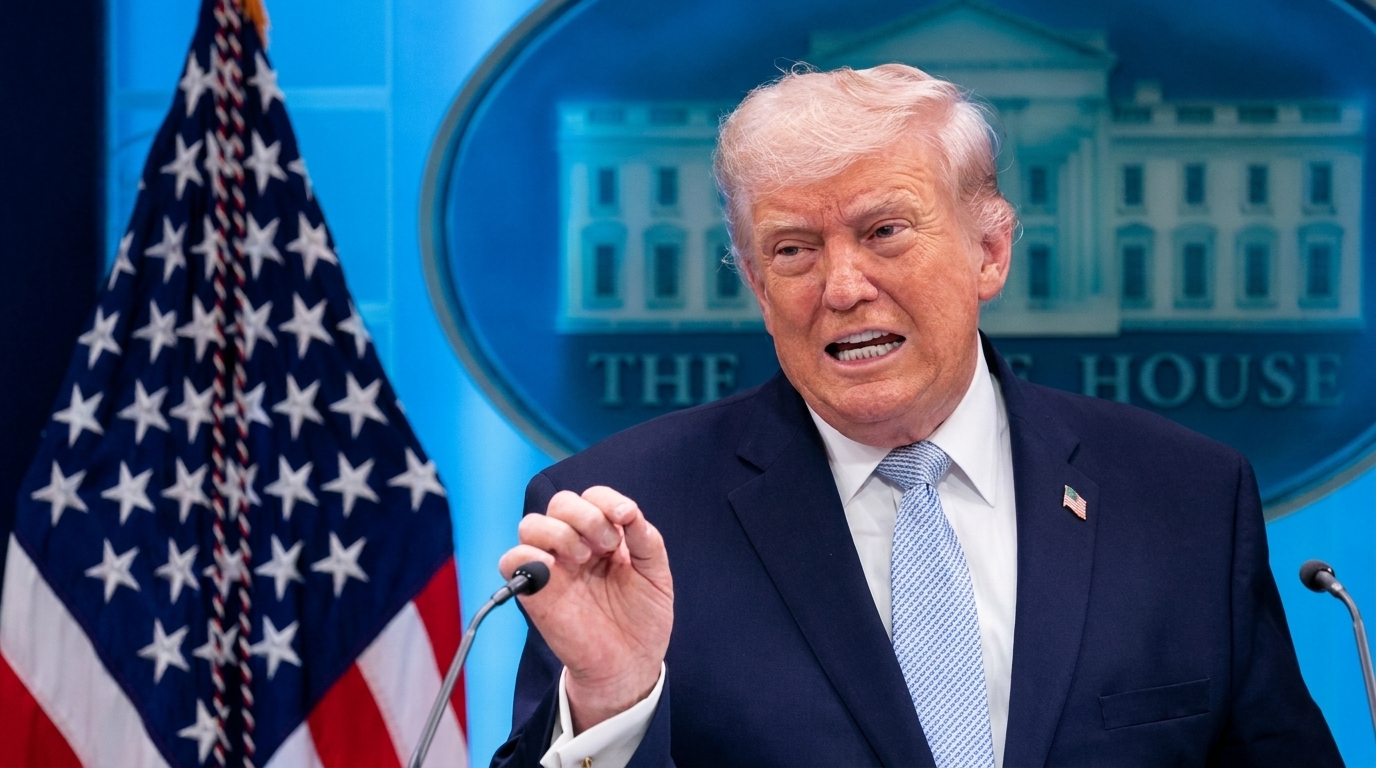
Trump has said he wants the World Cup to be “the most successful ever” and has enjoyed a publicly cordial relationship with FIFA President Gianni Infantino. He has also threatened to move matches away from specific host cities San Francisco and Seattle were mentioned over what he described as crime and public safety concerns. FIFA has publicly stated that Trump cannot unilaterally move matches. Whether that position holds if the president pushes harder remains an open question that will follow this tournament for the next six weeks.
500 Million Ticket Requests, a Billion-Dollar Machine, and a Transport Nightmare
The FIFA World Cup 2026 controversy Iran war ICE immigration workers strike backdrop sits against a tournament that is genuinely historic in scale. FIFA President Infantino said the organization received 500 million ticket requests compared to 50 million combined for the previous two World Cups. This is the first World Cup hosted by three nations. A record 48 teams are competing across 104 matches at 16 venues in four time zones. The final will be played at MetLife Stadium in New Jersey on July 19.
The infrastructure challenges have been enormous. NFL stadiums have been converted to FIFA specifications at massive cost. Transport pricing became a major controversy NJ Transit fares for fans traveling to MetLife Stadium generated significant backlash. Boston’s organizing committee nearly lost its hosting rights over a financial dispute about security costs before a last-minute agreement was reached. And the heat issue with some host cities experiencing temperatures between 90 and 102 degrees Fahrenheit led FIFA to mandate mandatory three-minute hydration breaks in each half, which broadcasters can use for commercials.
The Country That Cannot Attend Its Own Team’s Matches
Beyond the Iran situation, the FIFA World Cup 2026 controversy Iran war ICE immigration workers strike picture includes a broader visa and travel crisis. The Council on Foreign Relations published an analysis this week noting that the US’s strained relationships with much of the world trade disputes, immigration crackdowns, tariff wars have made it difficult or impossible for fans from numerous countries to obtain US visas in time for the tournament. A World Cup theoretically open to the world is practically inaccessible to significant portions of it.
The irony that football’s global governing body chose as its primary host a country that is currently at war with one of its participants, engaged in active immigration enforcement that terrifies international visitors, and whose president has threatened to interfere with match locations is one that FIFA’s “football unites the world” marketing has not yet found a way to address.
What Happens Over the Next Six Weeks
The FIFA World Cup 2026 controversy Iran war ICE immigration workers strike situation will evolve in real time as the tournament progresses. If Iran advances deep into the tournament, the question of its team’s logistics and security will intensify. If ICE enforcement near venues becomes visible, the labor action at SoFi could spread. If Trump escalates his rhetoric about specific host cities, the FIFA-US government standoff becomes a daily story. And if the Iran-US ceasefire collapses further which has happened repeatedly the question of whether a wartime opponent’s athletes should be competing on American soil becomes unavoidable.
The football will be extraordinary. The off-pitch story may be more consequential than anything that happens on it.