The iran deal is suddenly in jeopardy and lebanon is why
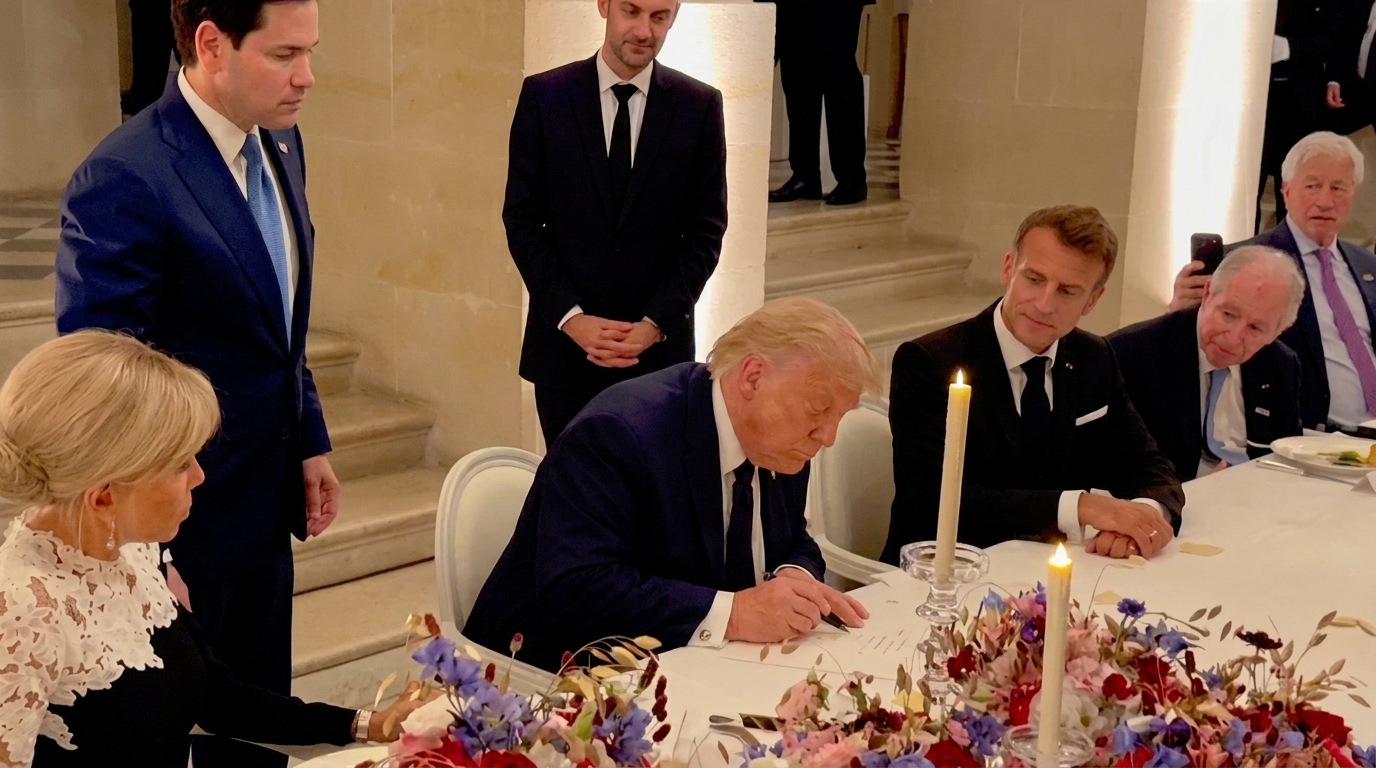
Just days after president trump signed it, the iran deal is already wobbling. the threat is not coming from tehran’s nuclear program or from congress this time. it is coming from a stretch of land in southern lebanon, where israel and the iran-backed group hezbollah spent friday trading some of the deadliest blows in months. that fighting forced the united states and iran to postpone their talks, and it exposed a flaw built into the agreement from the start.
Here is the short version. the memorandum trump signed is supposed to end the war on every front. but lebanon was never quite settled, and iran says that detail is now a deal-breaker. so a war that was supposedly winding down is suddenly back on the edge, and the next 60 days look a lot shakier than they did a week ago.
What actually happened in lebanon
The timeline matters, so let’s walk through it. on friday, fighting flared in southern lebanon at a scale not seen since the spring. according to the lebanese health ministry, israeli strikes killed at least 47 people that day, the second deadliest day since hostilities with hezbollah reignited in early march. two children were among the dead. the strikes hit across a wide swath of the south, sending families fleeing their villages again.
The violence did not come out of nowhere. hezbollah said it targeted israeli tanks after israeli forces tried to take the northern side of ali al-taher, a hilltop that overlooks the town of nabatiyeh. israel said four of its soldiers were killed in an attack on a tank. each side blamed the other for breaking the calm. israel accused hezbollah of “blatant ceasefire violations” and launched strikes on what it called hezbollah infrastructure in nabatiyeh and the bekaa valley. hezbollah said its attacks were a response to israel’s own violations.
By friday afternoon, three diplomats briefed on the matter told reporters that israel and hezbollah had agreed to renew their truce, with the pause set to begin around 9 a.m. eastern. both sides said they would honor it, and both warned they would hit back if the other broke it. israel’s ambassador to the u.s. said his country had not carried out strikes after 11:30 a.m. local time. the guns mostly went quiet. but the damage to the diplomacy was already done.
Why this puts the iran deal at risk
This is the part that connects a local truce to a superpower agreement. the agreement trump signed calls for hostilities to end on all fronts, and it specifically names lebanon. the problem is that neither israel nor hezbollah signed that memorandum. so when fighting erupts in lebanon, the deal’s language gets tested by parties who never agreed to it.
Iran has now drawn a hard line. iranian foreign minister abbas araghchi told foreign diplomats in tehran that any continued israeli presence in lebanon would be treated as a violation. in his framing, the agreement has two sides: the united states and israel on one, iran and hezbollah on the other. that is a major claim, because it folds hezbollah and israel into a deal that only washington and tehran actually signed. araghchi was blunt about the stakes, saying any continued occupation of lebanese territory would be regarded as a breach of the understanding.
Israel sees it differently. israeli officials have signaled they do not plan to pull troops out of southern lebanon, where they say they need to maintain security for northern israeli communities. that gap, iran demanding withdrawal, israel refusing to leave, is the crack running straight through the deal. and because the talks between washington and tehran were postponed amid friday’s fighting, there was no table at which to close it.
This is not the first time lebanon has slipped through the cracks. earlier ceasefire arrangements tied to the war did not formally include lebanon, which is a big reason the fighting there kept flaring even as the broader truce held. a separate u.s.-brokered israel-lebanon ceasefire took effect on april 16, but it was built as a short 10-day truce meant to buy time for bigger talks, not a permanent fix. hezbollah at one point rejected a deal that israel and the lebanese government had provisionally agreed to, arguing it was being cut out of decisions about its own territory. iran, for its part, has warned for months that it would not accept a wider ceasefire with the u.s. and israel unless lebanon was covered. so the fault line that cracked open friday was there all along. the memorandum just papered over it.
The clock, the negotiators, and the 60-day deadline
The deal does not have unlimited runway. the memorandum sets a 60-day window to turn the framework into a final agreement, covering the reopening of the strait of hormuz, sanctions relief, and limits on iran’s nuclear program. every day lost to a flare-up in lebanon is a day off that clock.
Washington is trying to get the process back on track. a u.s. official said envoy steve witkoff is traveling to switzerland to restart the technical talks after the postponement, and trump’s son-in-law jared kushner is expected to join. that signals the administration is treating this as serious and wants its top people in the room. at the same time, trump offered warm public praise for israeli prime minister benjamin netanyahu, even as tensions between the two governments resurfaced over the lebanon strikes.
Those tensions are real and they are awkward. vice president jd vance drew anger in israel after suggesting that trump is the only world leader sympathetic to israel right now, and that israel should think hard before attacking the one powerful ally it has left. it was an unusual public scolding of a close partner, and it showed how much the white house wants the lebanon fighting to stop so the deal can survive.
What each side is really arguing about
Strip away the day-to-day strikes and the dispute comes down to one question: what counts as the war ending. iran’s position is that you cannot end a regional war while israeli troops sit in lebanon and strikes keep landing. from tehran’s view, the deal is meaningless if the violence simply moves next door. that argument has some logic, and it lets iran keep leverage by tying the whole agreement to israeli behavior it does not control.
Israel’s position is that its fight with hezbollah is separate from the u.s.-iran track, and that it will not trade away security on its northern border for a deal it did not sign. israeli leaders argue hezbollah keeps violating the calm, so israeli forces have to respond. netanyahu vowed his country would exact a heavy price for attacks on its soldiers. from that view, asking israel to leave lebanon on iran’s timeline is asking it to absorb risk for a deal between two other governments.
Both positions are coherent, and that is exactly why this is hard. the united states is stuck in the middle, having signed a memorandum that promises peace on fronts it cannot fully control. washington needs israel to hold fire and iran to stay at the table, and it cannot force either one. the renewed truce buys time. it does not resolve the underlying fight.
It is worth remembering the human cost underneath the diplomacy. by mid-april, more than 2,000 people had been killed in lebanon during this conflict and over a million displaced. friday added dozens more. for the families fleeing nabatiyeh and tyre, the question of whether the iran deal holds is not abstract. it decides whether they can go home.
Iran deal The bottom line
The iran deal is not dead. the strait of hormuz is reopening, the u.s. naval blockade has been lifted, and negotiators are heading back to switzerland to keep the 60-day clock alive. those are real steps, and a week ago many americans would have taken them gladly to end the war.
But lebanon exposed how fragile the whole thing is. a deal that promises peace on every front, signed by only two of the players who can break that peace, was always going to be tested the first time the shooting started somewhere else. friday was that test, and it nearly knocked the talks off the rails. whether the iran deal survives now depends less on what trump and tehran say in switzerland and more on whether a hilltop in southern lebanon stays quiet.
Follow this blog for updates as the switzerland talks resume, the lebanon truce holds or breaks, and the 60-day deadline ticks down.