The Minnesota fraud scandal has taken another dramatic turn, with federal investigators announcing the capture of a key fugitive nearly four years after he was first charged in what prosecutors call the largest social services fraud scheme in American history. Abdikerm Abdelahi Eidleh, one of the orchestrators behind the Feeding Our Future scam at the center of the Minnesota fraud scandal, was tracked down by the FBI in Mogadishu, Somalia, and taken into custody after evading justice since his original 2022 indictment.
How the Minnesota Fraud Scandal Began
The Minnesota fraud scandal traces back to Feeding Our Future, a Minneapolis-based nonprofit that exploited the Federal Child Nutrition Program during the COVID-19 pandemic. Between 2020 and early 2022, the organization opened more than 250 sites across Minnesota claiming to serve meals to children, though investigators found many sites served few meals or none at all. Estimates of the total losses from this single scheme alone range from $240 million to $350 million in fraudulently obtained federal funds, according to court records and IRS Criminal Investigation reports.
What Investigators Actually Found
Prosecutors say the fraud in the Feeding Our Future scheme wasn’t subtle once investigators started digging. “The vast majority of the money that these folks made went to spending on luxury items for themselves,” said Andy Luger, the former U.S. Attorney who led the office prosecuting the case from 2022 until this January. In sentencing documents tied to the Minnesota fraud scandal, prosecutors described how ringleader Aimee Bock and her co-conspirators used stolen taxpayer funds meant to feed vulnerable children to instead purchase luxury vehicles, residential and commercial real estate, and finance international travel.
A 42-Year Prison Sentence
The most severe consequence to come out of the Minnesota fraud scandal so far arrived on May 21, when U.S. District Judge Nancy Brasel sentenced Bock to 500 months in prison, nearly 42 years, and ordered her to pay $243 million in restitution. “Rather than using taxpayer funds intended to feed vulnerable children, the defendant instead pocketed the money,” federal prosecutors said in a statement following the sentencing. FBI Special Agent in Charge Christopher D. Dotson called it “one of the largest frauds against a social service program ever in Minnesota.”
The Fugitive’s Capture in Somalia
The Minnesota fraud scandal reached a new chapter this summer when Eidleh, one of the scheme’s orchestrators, was finally captured nearly four years after being charged. Daniel Rosen, the U.S. attorney in Minnesota now prosecuting the case, didn’t hold back in his statement following the arrest. “Eidleh’s capture shows that, if you commit fraud against the American taxpayer, and try hiding across the globe, the long arm of justice will find you,” Rosen said. His arrest underscored how deeply the Minnesota fraud scandal is tied to international networks, with FBI agents tracking him all the way to Mogadishu before bringing him back to face charges.
How Big the Scandal Actually Got
What makes the Minnesota fraud scandal so significant isn’t just Feeding Our Future, but how far the fraud spread once investigators started looking elsewhere. First Assistant U.S. Attorney Joseph Thompson estimated in December that Medicaid fraud in Minnesota alone may have cost taxpayers as much as $9 billion since 2018, spanning autism therapy, home health assistance, housing stabilization, and child care programs. As of mid-2026, 14 Medicaid-supported services remain under audit and classified as “high risk.” Since 2022, federal investigations tied to the Minnesota fraud scandal have led to charges against more than 90 individuals, with over 60 convictions secured.
The Governor’s Political Fallout
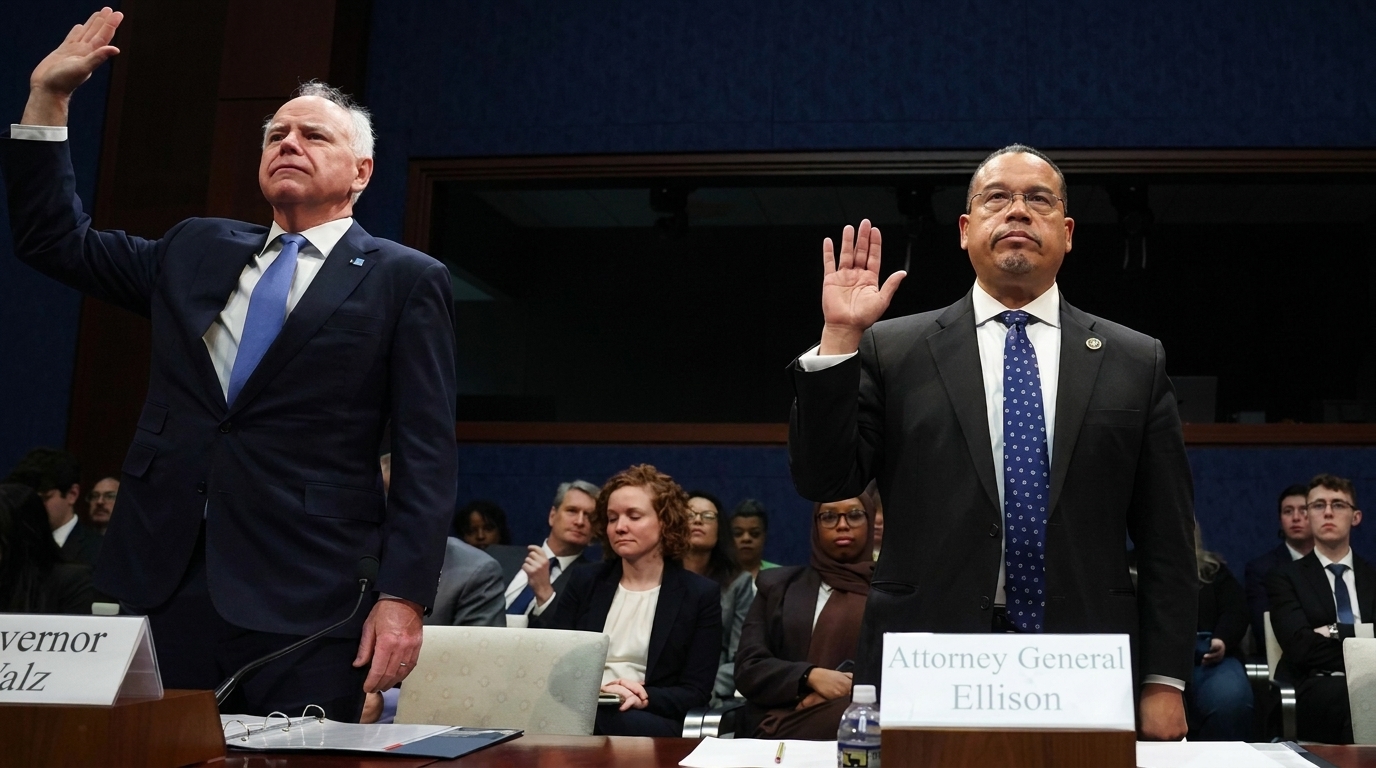
The Minnesota fraud scandal carried real political consequences at the highest level of state government. As national attention intensified in late December, Democratic Governor Tim Walz announced he would not seek reelection, a decision that came amid mounting pressure over his administration’s handling of the fraud crisis. Walz has publicly disputed the $9 billion figure cited by federal prosecutors, calling it speculative, though he has acknowledged the problem likely runs into the billions. In response, Walz appointed Judge Tim O’Malley as the state’s new Program Integrity Director, and Minnesota later created a fully independent Office of Inspector General to investigate fraud going forward.
A Video That Changed Everything
Public awareness of the Minnesota fraud scandal exploded after YouTuber Nick Shirley posted a video in late December showing him visiting federally supported child care centers around Minneapolis and finding no children present at nearly a dozen locations. The video drew tens of millions of views and was quickly amplified by figures including Elon Musk, Vice President JD Vance, and Attorney General Pam Bondi, pushing what had been a slow-building state political story into the center of national conversation almost overnight.
Federal Response and Continuing Investigation
In the wake of the viral attention, the Trump administration paused federal child care funding to Minnesota, with President Trump calling the state a “hub of fraudulent money laundering activity.” The Treasury Department has also investigated whether any Minnesota public assistance funds made their way to al-Shabaab, a U.S.-designated foreign terrorist organization based in Somalia, though multiple federal investigators told reporters there is no evidence taxpayer dollars were directly funneled to the group. A June 2026 congressional staff report went even further, tracing the groundwork for fraud in Minnesota’s human services system back nearly 50 years, pointing to long-standing oversight failures rather than a single isolated policy mistake.
What Happens Next
Even with Eidleh’s capture and Bock’s lengthy sentence, the Minnesota fraud scandal remains far from resolved. Many defendants tied to related schemes in autism services, housing, and Medicaid still await trial, and federal investigators continue examining fraud that reportedly continued for more than two years after the Feeding Our Future case first became public in 2022. With billions of taxpayer dollars still unaccounted for and new state and federal oversight structures only recently put in place, the Minnesota fraud scandal is likely to remain one of the most closely watched government accountability stories through the rest of the year.
Sources: cbsnews.com, justice.gov, mprnews.org, cnn.com