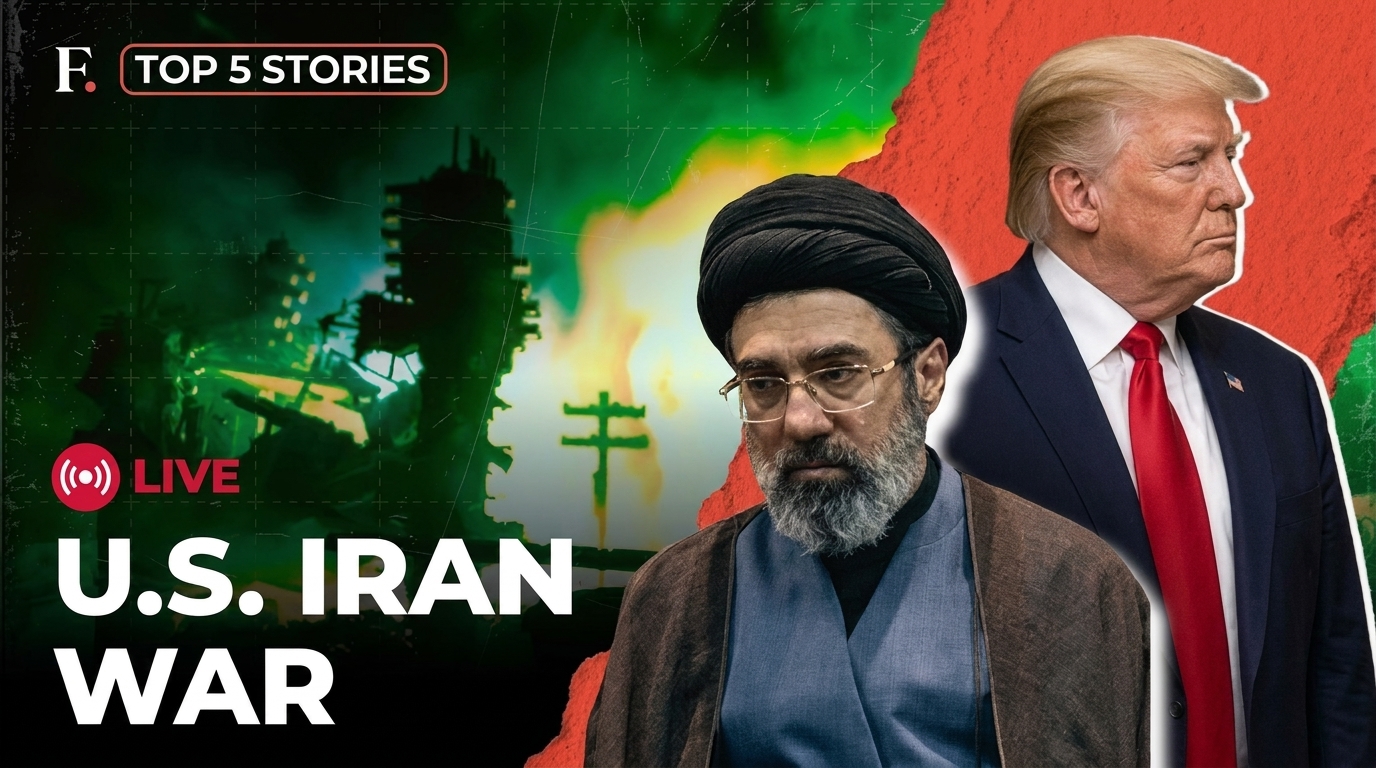
The US Iran war has entered its ninth consecutive day of renewed bombing, with the Pentagon confirming a third American service member killed over the weekend and gas prices climbing to nearly $4 a gallon nationwide. What began five months ago as a swift military campaign has settled into a grinding, unpredictable conflict, with peace talks collapsed and both sides trading strikes across the Persian Gulf region.
How the US Iran War Started
The US Iran war began on February 28, when the United States and Israel launched coordinated airstrikes on Iranian military, government, and infrastructure targets, an operation that included the killing of Iran’s Supreme Leader, Ali Khamenei. Iran responded by closing the Strait of Hormuz, the narrow waterway through which roughly a fifth of the world’s oil supply normally passes, triggering the global energy disruption that has defined much of the conflict ever since. Delegations from both countries entered negotiations in June aimed at a war-ending deal built around a memorandum of understanding, but that agreement ultimately collapsed over disputes tied to the strait itself.
This Weekend’s Renewed Fighting
The most recent flashpoint in the US Iran war came after an Iranian attack on a U.S. base in Jordan killed two American service members and left a third missing; military officials later confirmed they had recovered remains near that site. In response, President Trump ordered new airstrikes starting late Saturday, with U.S. Central Command saying the goal was to “degrade Iran’s ability to threaten commercial shipping in the Strait of Hormuz” and to “punish Islamic Revolutionary Guard Corps forces” behind the Jordan attack. A separate CENTCOM update on Sunday confirmed an additional American service member had been killed and another wounded, bringing the total number of U.S. troops killed since the war began to at least 17, according to CNN’s count as of Sunday.
What Trump Has Said About the Losses
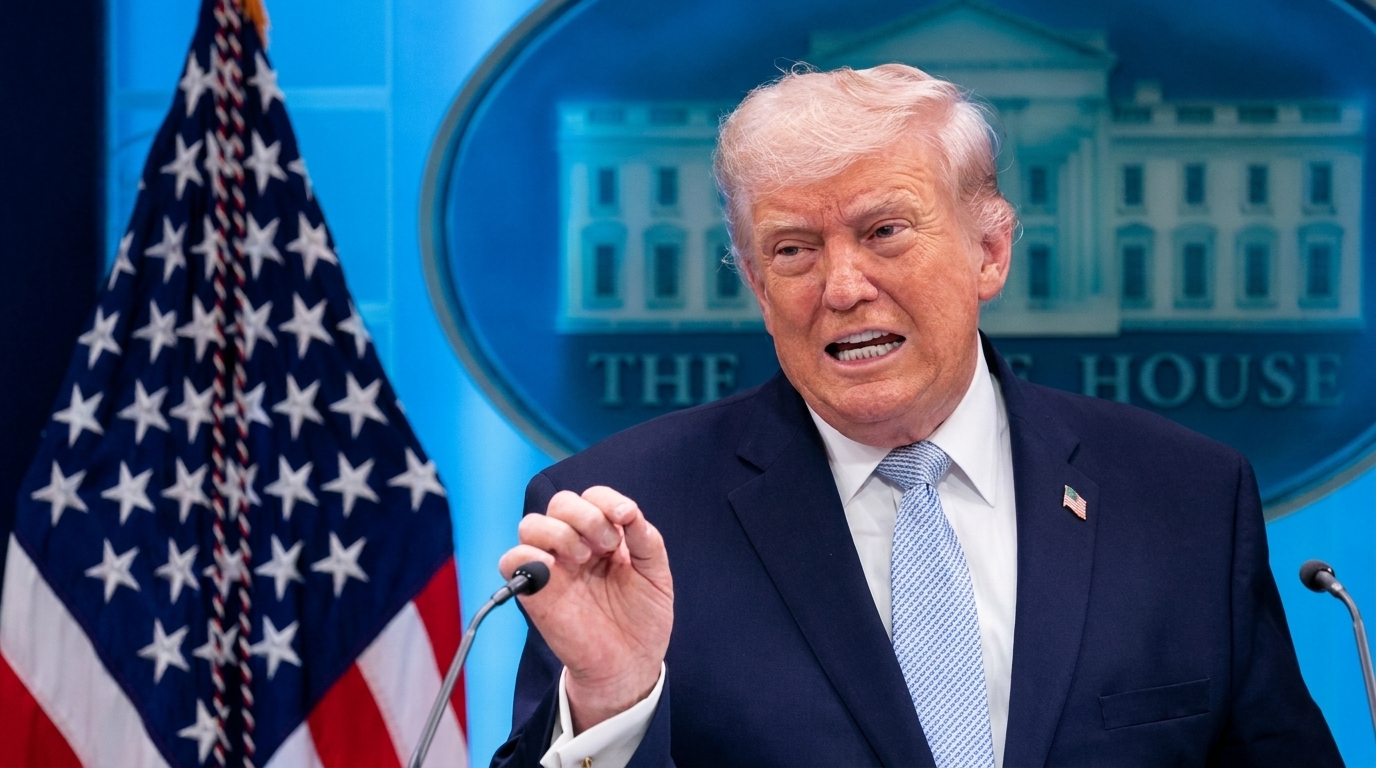
Speaking Saturday, Trump defended the continued campaign, describing the American troops killed as having made “the ultimate sacrifice” to prevent Iran from obtaining a nuclear weapon. He also pointed to the economic disruption Iran’s initial closure of the strait caused, saying, “On February the 28th we went to war. On March the 2nd, they shut down the Straits of Hormuz. And it immediately began to have an effect not just on the region, but the world economy. It exceeded their expectations in terms of what the outcome was.” Trump argued that dynamic explains why Iran continues fighting to maintain control over the waterway.
Iran’s Response and Rhetoric
Iranian state media has struck a defiant tone throughout the latest escalation of the US Iran war. A message attributed to Khamenei’s successor, broadcast through Islamic Republic of Iran Broadcasting, warned, “Now that the American enemy seeks to ignite war and endure heavier costs, it should know that the Iranian nation and the Resistance Front have unforgettable lessons in store for it.” Iran has retaliated by striking electricity installations and water desalination plants in Kuwait, which hosts a significant American military presence, and has also targeted Bahrain, home to the U.S. Navy’s Fifth Fleet. Iranian officials additionally accused the United States of striking the Darkhovin nuclear facility in southern Iran, with Deputy Foreign Minister Kazem Gharibabadi calling it “a dangerous assault on Iran’s peaceful” nuclear infrastructure and warning of an “appropriate” response.
The Toll on Shipping and Energy
Beyond the military casualties, the US Iran war has taken a substantial toll on global shipping through the Strait of Hormuz. Energy Secretary Chris Wright said Sunday that roughly two-thirds of pre-conflict traffic, or about 14 million barrels a day, continues moving through the strait and nearby bypass pipelines despite the renewed fighting, though ship traffic through the strait itself has declined more sharply as vessels shift toward larger tankers and alternative routes, including along the Omani coastline that Iran hasn’t authorized. On Monday, Iran said it had disabled two oil tankers attempting to transit the strait without permission, and the British military reported a ship burning near the Omani coast.
The Financial Impact on American Drivers
The economic fallout from the US Iran war has landed directly on American households through the price at the pump. The national average gas price sat at $3.992 a gallon as of Sunday, according to AAA, roughly 34% higher than prices before the war began in February. Brent crude oil has pushed past $90 a barrel amid the renewed hostilities, a level that’s triggering supply chain warnings across multiple industries and fueling broader concerns about persistent inflation. Financial markets reacted cautiously as well, with Dow Jones, S&P, and Nasdaq futures each down about 0.2% following the weekend’s escalation.
Wider Regional Fallout
The US Iran war has also drawn in countries well beyond the two primary combatants. Jordan’s army reported three Iranian missiles landing in multiple locations over the weekend, and Kuwait’s military said it was actively repelling missile and drone attacks from Iran. Israel’s Iron Dome and broader air defense systems have remained active throughout the conflict as well, given Israel’s role alongside the U.S. in the initial February strikes. According to Wikipedia’s running tally of the conflict, at least 13 U.S. service members were killed and 381 wounded within the first 40 days of fighting alone, with the current toll now sitting notably higher nearly five months in.
Why the Strait of Hormuz Matters So Much
Much of what makes the US Iran war so economically disruptive traces back to the unique importance of the Strait of Hormuz itself. The narrow passage between Iran and Oman serves as the primary route for oil tankers moving out of the Persian Gulf, and any prolonged disruption there ripples quickly through global energy markets. That’s part of why a conflict that began with a targeted assassination and military strikes in February has evolved into something closer to an extended economic siege, with both militaries and energy markets locked in an uneasy standoff over who ultimately controls access to the waterway.
What Happens Next
With peace talks collapsed and both sides continuing to trade strikes, there’s no clear indication the US Iran war is nearing resolution. Former counterterrorism officials have argued Trump’s priority should now be keeping the Strait of Hormuz open through a combination of military pressure, economic sanctions, and an international coalition focused on protecting commercial shipping, rather than pursuing a new negotiated settlement in the near term. Until that changes, American drivers, global shipping companies, and the families of deployed service members are all likely to keep feeling the effects of a war that shows no clear sign of winding down.
If you or someone you know has been affected by the loss of a service member, support resources are available through Military OneSource at 800-342-9647.