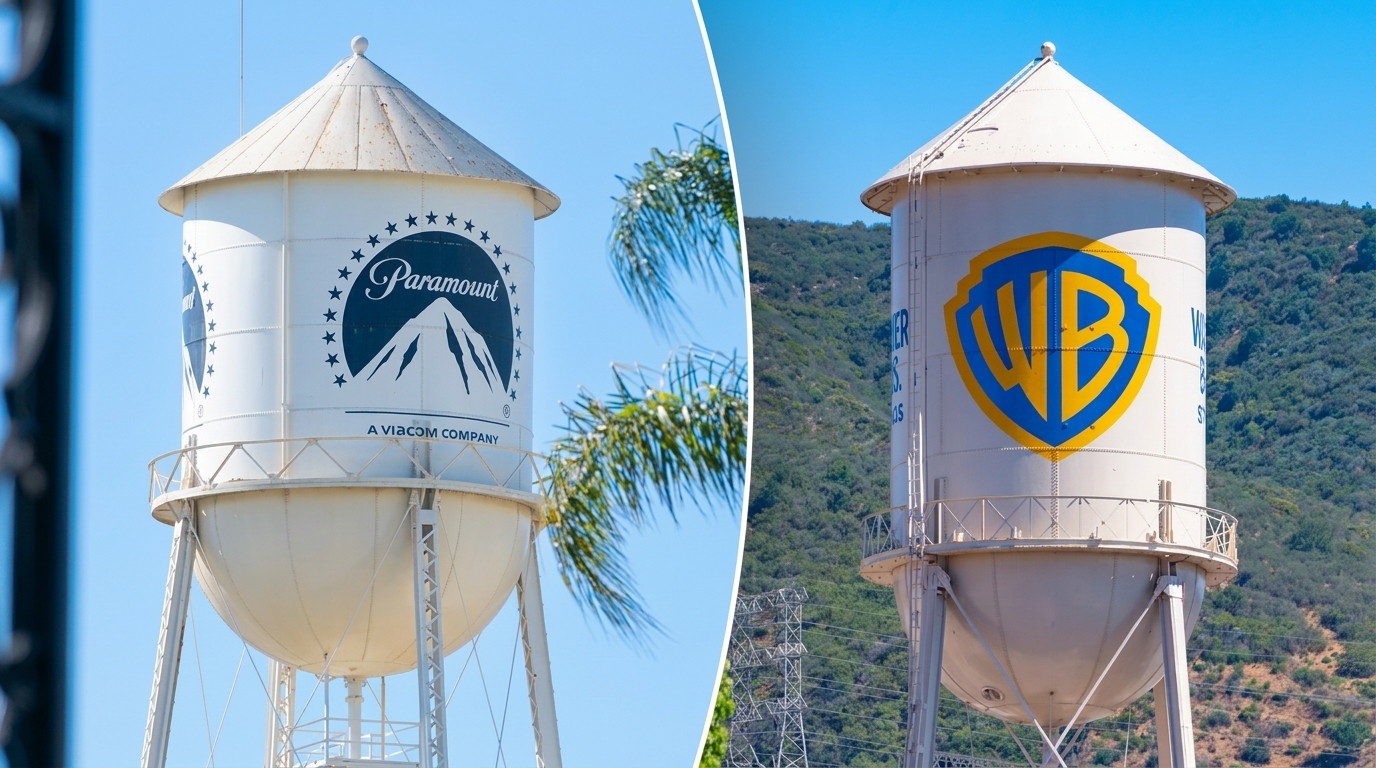
The Paramount Warner Bros merger hit a major roadblock this week when a federal judge issued an emergency order pausing the $110 billion deal just two days before the companies hoped to finalize it. U.S. District Judge Araceli Martínez-Olguín of the Northern District of California granted a temporary restraining order on Monday, siding with a coalition of 12 state attorneys general who argue the deal would substantially harm competition across film, television, and streaming markets.
Why the States Sued to Stop the Deal
The lawsuit behind the Paramount Warner Bros merger fight was filed just last week by attorneys general from California, New York, Washington, Arizona, Colorado, and several other states. According to their complaint, the merger would combine two of Hollywood’s five major film distributors and two of its five major cable channel owners, representing what the states called the largest deal in Hollywood history. New York Attorney General Letitia James didn’t mince words in her statement following the ruling: “When one company controls a massive share of our film and television industries, workers, artists, businesses, and consumers suffer.”
What the States Say the Deal Would Actually Harm
The core legal argument driving the Paramount Warner Bros merger challenge centers on three specific markets. The states allege the deal would lessen competition in wide-release theatrical film distribution, “top-grossing” theatrical distribution specifically, and basic cable licensing. They argue the merger violates Section 7 of the Clayton Act, the federal antitrust law that prohibits mergers likely to substantially reduce competition or create a monopoly. Beyond consumers, the lawsuit specifically raises concerns for movie theaters, basic cable distributors, and the writers, actors, directors, and production crews who rely on having multiple competing studios to negotiate wages and find steady work.
The Companies’ Defense Didn’t Hold Up
Paramount and Warner Bros. had publicly committed back in March to releasing at least 30 films a year as part of their pitch that the Paramount Warner Bros merger wouldn’t reduce competition. The states pushed back hard on that promise, calling it legally unenforceable and pointing out that Warner Bros. itself had already fallen short of comparable release targets in both 2023 and 2024. That inconsistency became a key piece of the states’ argument that self-imposed corporate pledges aren’t a substitute for genuine antitrust enforcement.
Who’s Actually Behind the Deal
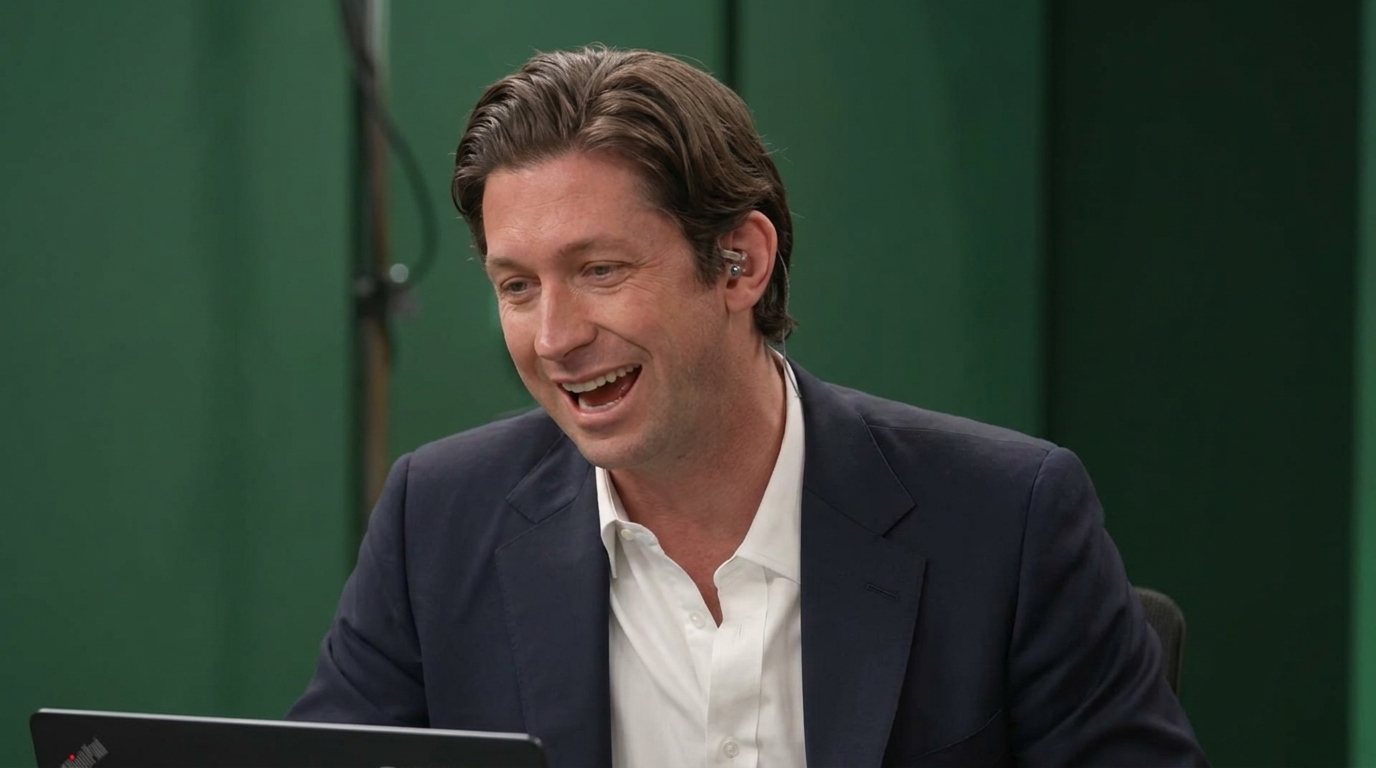
Part of what’s made the Paramount Warner Bros merger such a closely watched story is who stands to gain control if it closes. The combined company would be run by David Ellison, son of billionaire technology tycoon Larry Ellison, uniting Paramount’s 114-year-old film studio, the Paramount+ streaming service, the CBS broadcast network, and cable brands like MTV and Nickelodeon with Warner Bros.’ 116-year-old studio, CNN, HBO, and valuable intellectual property including the Batman and Superman franchises. That combination would place an enormous share of American film, television, and news media under a single family’s control.
The Financial Pressure to Close Quickly
Timing has made the Paramount Warner Bros merger fight especially high-stakes for the companies involved. Paramount had agreed to pay Warner Bros. shareholders a “ticking fee” of 25 cents per share every quarter if the deal wasn’t finalized by September 30, a penalty worth more than $600 million per quarter. That financial pressure explains why Paramount executives were pushing to close the transaction as early as July 22, just two days after the judge’s order landed, and why the temporary pause carries real monetary consequences beyond the legal uncertainty itself.
What the Judge’s Order Actually Does
The temporary restraining order tied to the Paramount Warner Bros merger doesn’t kill the deal outright. Judge Martínez-Olguín’s ruling bars the companies from closing the transaction or consolidating operations for 14 days, giving the court time to consider whether to grant a preliminary injunction that would extend the freeze for the duration of the broader litigation. That preliminary injunction hearing is scheduled for August 3 in Oakland, meaning the ultimate fate of the merger remains very much undecided even after this week’s ruling.
Immediate Market Reaction
News of the Paramount Warner Bros merger pause hit both companies’ stock prices right away. Paramount Skydance shares fell about 1.2% following the announcement, while Warner Bros. Discovery shares dropped roughly 2.5%, according to market data from the day of the ruling. The reaction reflects investor uncertainty over whether the deal will ultimately survive the antitrust challenge, and how long the legal fight might drag on if the states succeed in extending the pause beyond the initial 14 days.
Additional Opposition From Hollywood Labor
Beyond the state attorneys general, the Paramount Warner Bros merger has also drawn a separate legal challenge from within the entertainment industry itself. The Writers Guild of America filed its own lawsuit against the deal, arguing that the combination would negatively affect union members’ wages and lead to job losses across the industry. That parallel action adds another layer of legal pressure on top of the states’ antitrust case, suggesting the merger faces resistance from multiple directions well beyond government regulators alone.
Why This Case Matters Beyond Hollywood
The stakes in the Paramount Warner Bros merger fight extend past the entertainment industry itself. As one of the largest proposed media mergers in history, the case is widely viewed as an early test of how aggressively state attorneys general, rather than federal regulators, are willing to step in and challenge major corporate consolidation under the current administration. A ruling that allows this deal to proceed, or one that ultimately blocks it, could shape how future media and entertainment mergers are structured and challenged for years to come.
What Happens Next
With the temporary restraining order in place for 14 days and the preliminary injunction hearing set for August 3, the Paramount Warner Bros merger now sits in legal limbo at exactly the moment the companies had hoped to finalize their deal. Whether the states succeed in extending the pause, whether Paramount finds a way to restructure the transaction to address antitrust concerns, or whether the deal eventually collapses altogether under the mounting financial and legal pressure, the coming weeks are likely to determine the outcome of one of the biggest corporate mergers in recent memory.
Sources: nbcnews.com, washingtonpost.com, techcrunch.com, bloomberg.com