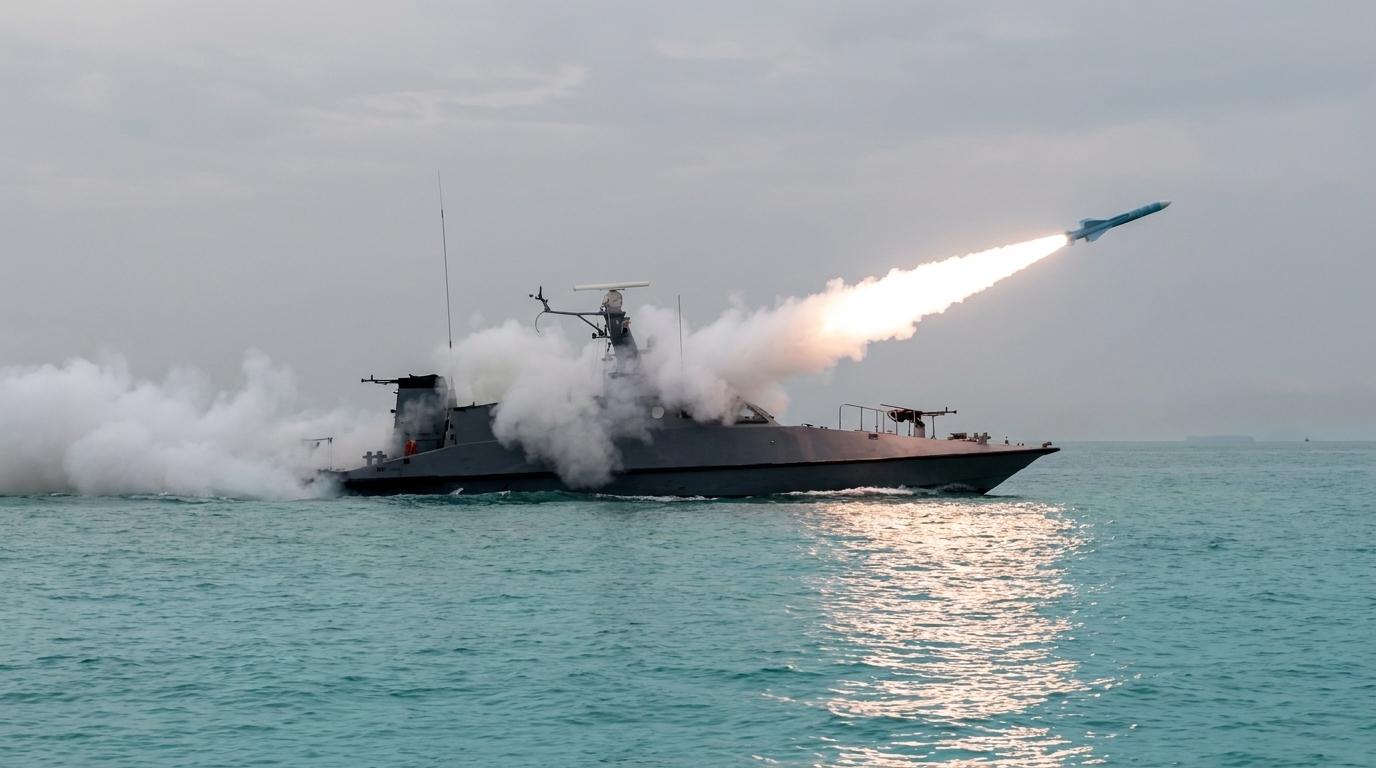
a brief window of calm between the united states and iran ended tuesday when iranian forces launched a barrage of ballistic missiles at american troops stationed in the middle east the most significant escalation in the conflict in weeks.
What Happened Tuesday
according to U.S. central command, iran launched multiple ballistic missiles targeting american forces in the region. every missile was successfully intercepted. centcom said in a statement that U.S. forces “remain vigilant and at a high state of readiness,” and warned that any further attacks on american troops or on saudi arabia’s energy infrastructure would risk additional retaliation.
the united states and saudi arabia responded the same day with joint military strikes on sites in iraq used by iran-aligned militias to carry out recent attacks in the region.
separately, iran’s islamic revolutionary guard corps through the state-linked tasnim news agency announced it had “struck and brought to a halt” three oil tankers in the strait of hormuz, claiming the vessels had “ignored our warnings and continued sailing an unsafe and illegal route.” it was not immediately confirmed whether the tankers sustained damage or whether any crew members were injured.
the same day, the yemen-based houthi militant group another iranian proxy said it had fired ballistic missiles at a saudi-flagged tanker in the red sea, and a separate advisory reported an explosion heard by a tanker’s crew transiting the southern red sea.
Why This Matters for Gas Prices
the iran missile attack and the broader fighting around the strait of hormuz connects directly to something every american already feels the price of gas.
roughly 20 percent of the world’s crude oil passes through the strait of hormuz. when the war began, iran effectively closed the strait by firing at or threatening commercial tankers and freighters attempting to pass. an interim ceasefire signed in june was supposed to reopen the waterway, but a dispute over control erupted almost immediately iran has demanded that ships use a route closer to its own coastline, with the ability to potentially charge fees for passage.
that dispute has kept persian gulf shipping traffic through the strait at levels seen in the earliest days of the war, according to shipping data cited by lloyd’s. combined with rising insurance premiums for vessels in the region and disrupted tanker markets from the black sea to the red sea, energy analysts describe the current situation as “a perfect storm” for shipping costs costs that ultimately show up at the pump.
Trump’s Political Problem
the iran missile attack lands at a politically sensitive moment for the trump administration.
last week, the house of representatives narrowly passed a resolution attempting to halt further U.S. military action in iran a rare and pointed signal from within trump’s own party that the war has become a genuine liability. sustained high gas prices tied to the strait’s closure are contributing to concerns that republicans could be vulnerable heading into november’s midterm elections.
trump addressed the conflict in a fox news channel interview earlier tuesday before the missile attack occurred saying iran knows he will “finish the job” if its leaders don’t agree to a deal to end the war. it’s a threat he’s made and retreated from multiple times throughout the conflict, having previously threatened and then pulled back from striking iranian power plants, bridges, and other civilian infrastructure directly.
Iran Missile Attack The Bottom Line
six weeks after an interim ceasefire was supposed to bring calm to the region, iranian ballistic missiles were fired at american troops, three oil tankers were halted in the strait of hormuz, and the U.S. and saudi arabia struck back at iran-aligned militias in iraq all in the same 24-hour period.
no american casualties were reported. no deal has been reached. the strait remains a contested flashpoint, and gas prices along with republican political fortunes heading into the midterms remain tied directly to what happens there next.
follow this blog for updates as the situation develops.