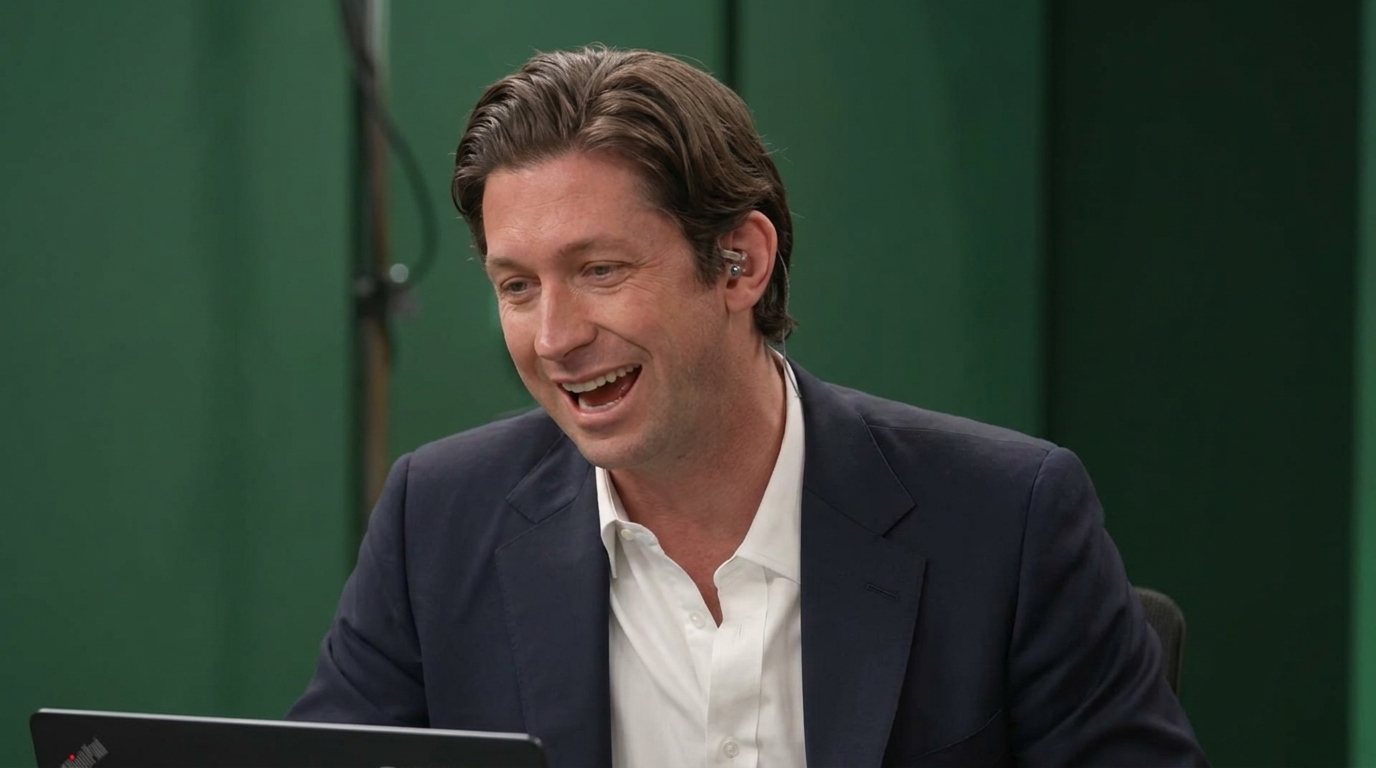
a hedge fund that grew from nothing to $20 billion in under two years, run by a 24-year-old with no prior professional investing experience, just needed a rescue from a much bigger rival in a matter of days, not months.
Who Leopold Aschenbrenner Is
before situational awareness existed, leopold aschenbrenner was best known in tech circles for a lengthy, widely circulated manifesto on the future trajectory of artificial intelligence, published after he departed openai. that reputation was enough to attract serious capital when he launched his own fund in june 2024.
the situational awareness hedge fund collapse is notable partly because of how unusual aschenbrenner’s path to running billions in assets was he had essentially no traditional wall street or professional investing background before starting the firm.
How the Fund Rose So Fast
situational awareness built its entire strategy around concentrated, leveraged bets on artificial intelligence infrastructure companies involved in AI data centers, power supply for those data centers, memory chipmakers like sandisk, and so-called “neocloud” operators including the australian-founded firm sharonai.
the strategy worked spectacularly, at least at first. by the end of june 2026, the fund was reportedly up more than 439% year-to-date, and over 1,000% since its 2024 inception. that performance pulled in an extraordinary $20 billion in assets under management with some reports suggesting the fund’s overall exposure, including leverage, reached closer to $45 billion.
What Triggered the Collapse
the situational awareness hedge fund collapse unfolded over just days, driven by a combination of factors that all hit the AI trade simultaneously.
growing skepticism about the actual pace of AI demand growth had already begun weighing on the broader sector. that skepticism intensified with the emergence of kimi K3, a new chinese AI model that raised fresh questions among investors about whether the united states actually holds the durable competitive advantage in AI that much of the market had been pricing in.
korean markets, which are heavily tied to global AI supply chains through semiconductor and memory production, dropped into a bear market as a result a signal that rattled AI-adjacent investments worldwide.
because situational awareness had used significant leverage essentially borrowing to amplify the size of its already-concentrated AI bets even a moderate downturn in AI stocks translated into outsized losses for the fund. lenders responded with margin calls, demanding the fund put up more collateral or sell assets to cover its positions faster than the market was moving in its favor.
The Rescue by Citadel
by thursday, situational awareness had no viable path forward on its own. the fund was forced to sell the bulk of its public equity holdings roughly $16 billion worth to citadel, the much larger hedge fund run by billionaire ken griffin.
the deal functioned essentially as a rescue acquisition, absorbing situational awareness’s public market positions into a far larger, more diversified and less leveraged institution capable of weathering the same volatility that had broken aschenbrenner’s fund.
notably, aschenbrenner reportedly retained his private investment holdings outside the public portfolio sold to citadel including a separate personal stake in AI company anthropic reported to be worth roughly $5 billion, unaffected by the unwind of his hedge fund’s public positions.
Why This Matters Beyond One Fund
the situational awareness hedge fund collapse has drawn attention from economists specifically because it illustrates a systemic risk they’ve been warning about for months: excessive concentration in a single, popular trade.
the financial world’s interconnectedness means one relatively small fund’s leverage problem doesn’t stay contained. millions of ordinary retirement accounts and 401(k)s, managed by asset managers with significant exposure to AI-related stocks, are effectively riding a less extreme, less leveraged version of the same trade that broke situational awareness. when a leveraged player is forced to sell quickly, it can put downward pressure on the very stocks that everyday investors are also holding.
The Ironic Twist Days Later
in an unusual coda to the situational awareness hedge fund collapse, microsoft posted stronger-than-expected earnings just days after the rescue sale, sending its stock up 16% and helping spark a broader relief rally across AI-adjacent names. the philadelphia semiconductor index jumped 8%, and individual AI-linked stocks including sandisk and iren saw significant gains.
that rally suggests the broader AI investment thesis itself hasn’t collapsed what failed specifically was one fund’s decision to pursue that thesis with extreme concentration and leverage, leaving it unable to absorb a short-term wobble in sentiment that the broader market ultimately weathered within days.
Situational Awareness Hedge Fund Collapse The Bottom Line
a 24-year-old built a $20 billion fund on AI conviction and leverage, watched it nearly evaporate within a matter of days when sentiment briefly turned, and needed a bailout from a much larger competitor all while the broader AI trade he was betting on recovered almost immediately afterward.
economists say the specific mechanics of the situational awareness hedge fund collapse concentration plus leverage plus a crowded trade are exactly the ingredients that turn individual blowups into broader market events, and exactly what to watch for as a signal of how fragile the current AI investment boom actually is underneath its headline gains.
follow this blog for updates as AI market volatility continues.