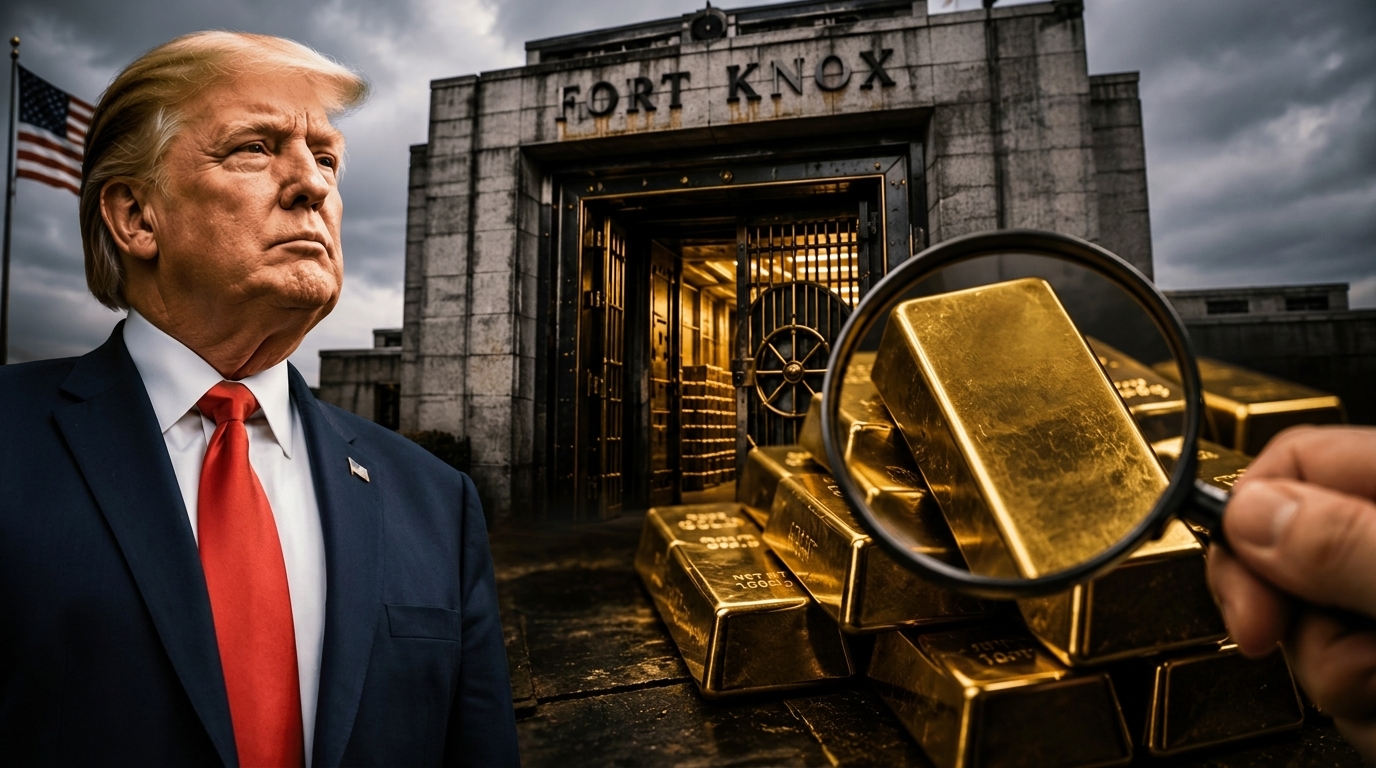
The Fort Knox gold audit debate is heating up again after Treasury Secretary Scott Bessent went on Fox News and declared that America’s gold reserves are “all present and accounted for,” insisting the stockpile is now worth more than a trillion dollars at current market prices. His comments were meant to put decades of public skepticism to rest, but instead they’ve reignited calls from lawmakers and gold advocates for the kind of independent, physical Fort Knox gold audit that hasn’t happened since 1974.
What Bessent Actually Said
Speaking with Fox News host Jesse Watters on July 14, Bessent addressed the long-running Fort Knox gold audit question directly. “I am happy to say all gold is present and accounted for,” he told viewers, adding that the United States holds “the largest pile of gold in the world, over a trillion dollars at current market value.” He also noted that the dollar “used to be backed by silver, sometimes gold,” framing the reserves as historically significant beyond their current monetary role. What caught nearly as much attention as the trillion-dollar figure was Bessent’s admission that he personally has never visited Fort Knox, relying instead on reports from his staff and a tour conducted by the U.S. Treasurer.
How Much Gold Is Actually There
According to Treasury data from June 2026, Fort Knox holds 147,341,858.382 fine troy ounces of gold, accounting for roughly 59% of the government’s total bullion reserves, with the rest split between West Point, Denver, and the Federal Reserve Bank of New York. Combined across all facilities, the Mint’s total deep-storage gold comes to 245,262,897.04 fine troy ounces, according to a December 2025 audit from the Treasury’s Office of Inspector General, which gave the schedules a “clean opinion,” meaning the figures were fairly presented in all material respects, though that audit relied on existing custodial records rather than a full physical recount of every bar.
The Strange Math Behind the Numbers
Part of what makes the Fort Knox gold audit conversation so confusing to the public is the enormous gap between how the gold is valued on paper versus what it’s actually worth. Federal law still prices gold at a statutory rate of $42.2222 per fine troy ounce, a figure frozen since 1973. At that rate, Fort Knox’s holdings carry a book value of just $6.2 billion. At spot prices trading near $4,000 to $4,500 an ounce in recent weeks, the same gold is worth somewhere between $660 billion and over $1 trillion, depending on which figures and locations are included in the count.
Why Lawmakers Still Aren’t Satisfied
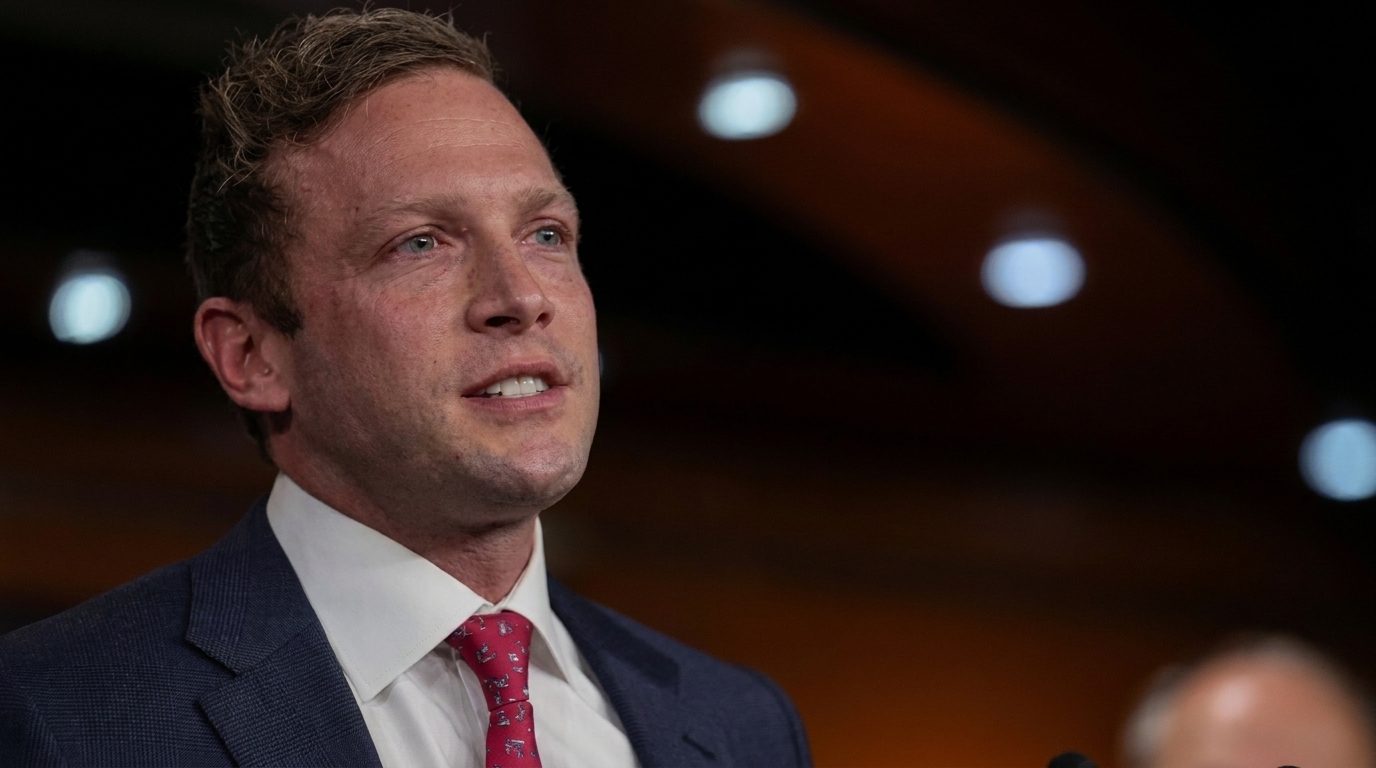
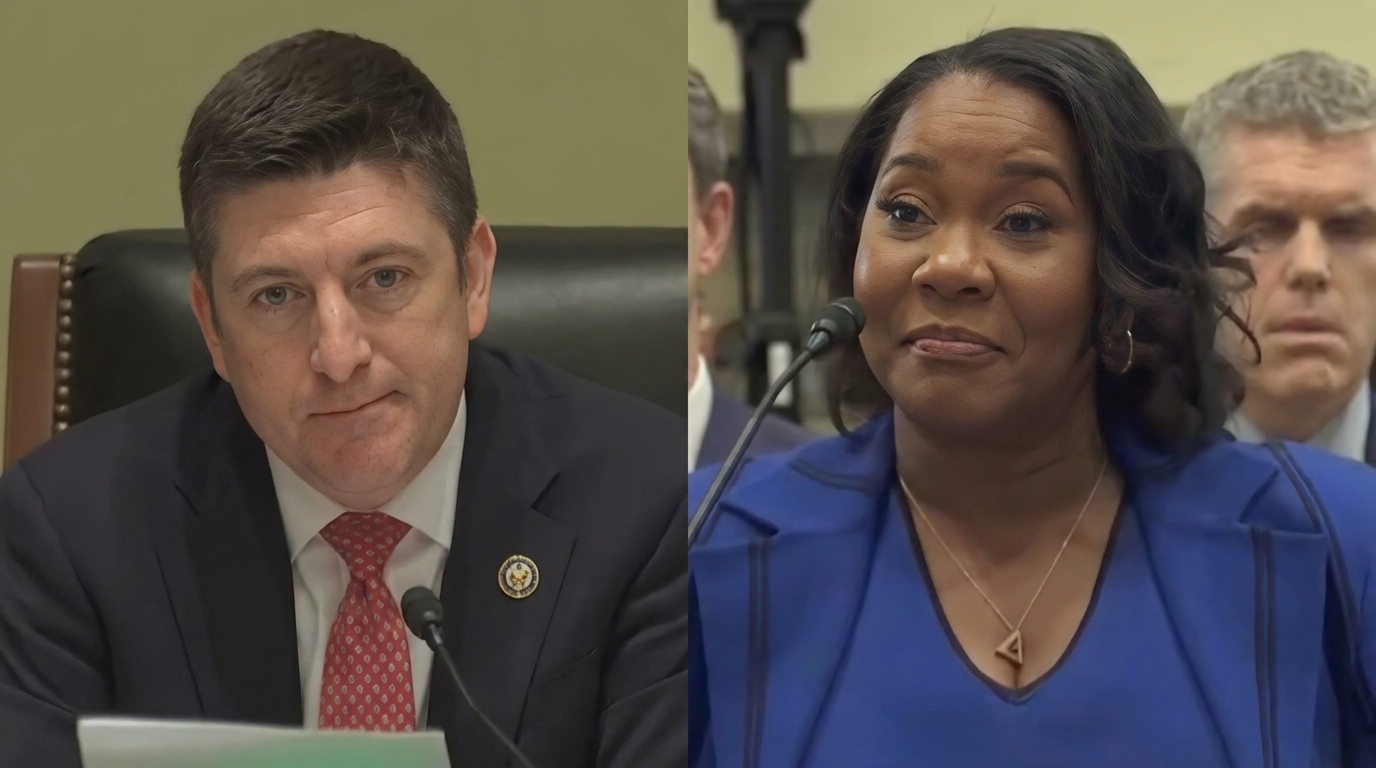
Bessent’s statement hasn’t quieted calls for a genuine Fort Knox gold audit, in part because of who’s still asking for one. Rep. Thomas Massie, a Kentucky Republican, introduced the Gold Reserve Transparency Act of 2025 last year, which would require the Comptroller General to conduct and publish a full audit of the nation’s gold reserves. The bill has sat untouched in the House Committee on Financial Services since it was introduced. Sen. Mike Lee, a Utah Republican, mocked the difficulty of even accessing the site, writing on X a mock exchange in which Fort Knox tells him, a sitting senator, that he still can’t visit despite having clearance to access military bases generally.
Where the Skepticism Originally Came From
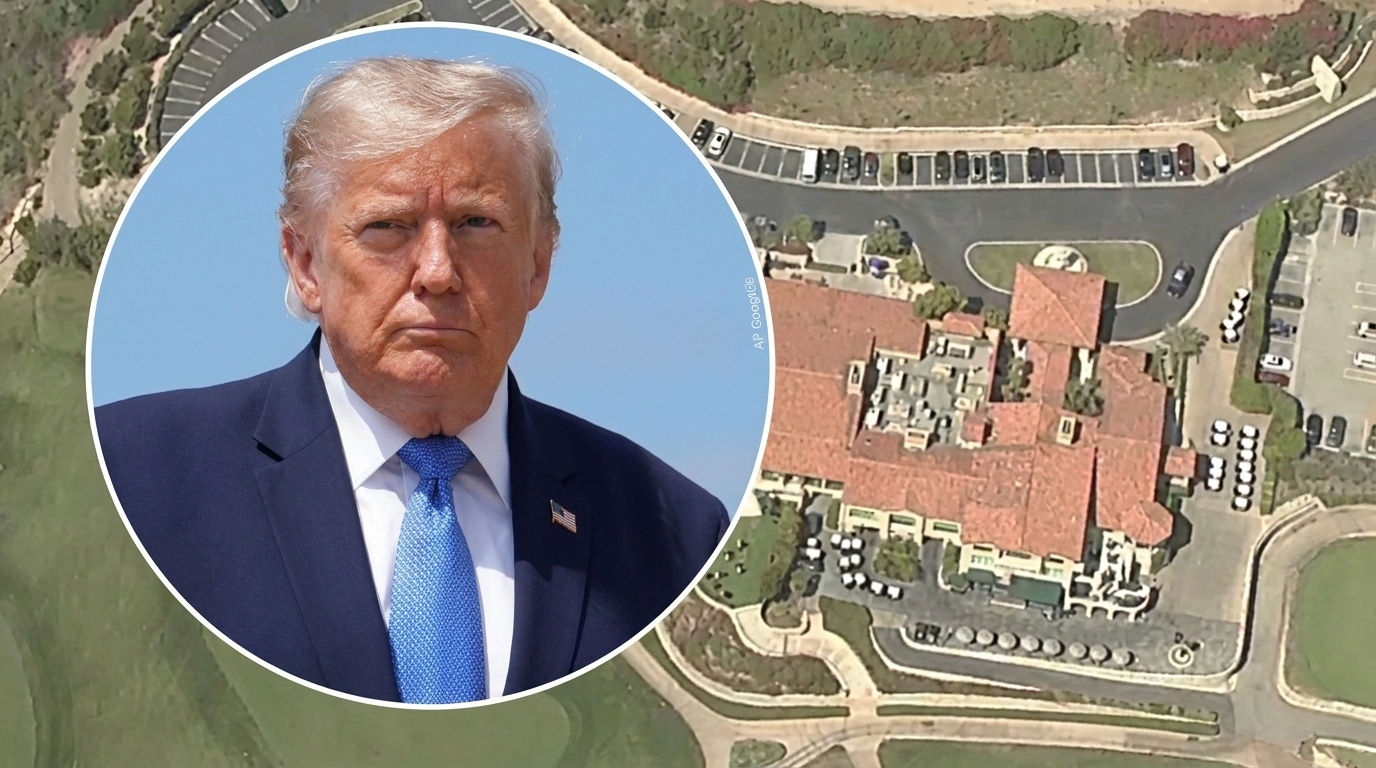
The public doubt fueling today’s Fort Knox gold audit push traces back to comments from President Trump and Elon Musk in early 2025. Musk, who was deeply involved in federal spending reviews through the Department of Government Efficiency at the time, publicly floated questions about whether the gold was actually present, echoing a conspiracy theory that has circulated since at least the 1970s. That renewed attention led directly to plans for an audit that, as one gold industry publication put it, quietly “got forgotten about” for much of 2025 before resurfacing again this month.
The Bigger Financial Question: Revaluation
Beyond simple verification, the Fort Knox gold audit debate has become tangled up with a separate and arguably higher-stakes policy question: whether the government should update the book value of its gold to reflect current market prices. Revaluing the reserves wouldn’t require selling a single ounce. It would simply update the accounting, and under existing law, doing so would generate a Treasury credit equal to the difference between the old and new book values, funds that would theoretically become available without issuing new government debt. Given that revaluing all 261.5 million ounces from $42.22 to today’s spot price could generate a paper gain in the hundreds of billions of dollars, the idea has drawn genuine interest inside a government facing mounting fiscal pressure.
Why Officials Have Resisted Revaluation So Far
Despite the appeal, Bessent has previously shut down talk of revaluation, stating as far back as March 2025 that the Treasury had no active plans to do so. Officials have been cautious partly because revaluation carries real-world consequences beyond the balance sheet, including potential effects on gold markets, the dollar’s international standing, and inflation expectations. A Federal Reserve research note published in August 2025 examined how five other countries have used gains from gold revaluations to raise funds, suggesting the U.S. isn’t the first government to weigh this option, even if it hasn’t yet moved to adopt it.
The Broader Fiscal Backdrop
The renewed Fort Knox gold audit conversation isn’t happening in a vacuum. It comes as the national debt approaches $40 trillion, Moody’s recently stripped the United States of its last remaining AAA credit rating, completing a downgrade cycle that began with S&P in 2011 and Fitch in 2023, and Bessent himself has acknowledged an estimated $500 billion in annual fraudulent government spending. Supporters of a full audit argue that in this kind of fiscal environment, verifying whether one of the government’s largest claimed assets genuinely exists as stated has shifted from idle curiosity to a matter of basic financial accountability.
What Happens Next
For now, the Fort Knox gold audit remains exactly where it’s been for over 50 years: unresolved. Massie’s transparency bill hasn’t moved in Congress, Bessent has confirmed he has no personal plans to visit the vault, and no independent large-scale physical verification has occurred since 1974. Whether public pressure eventually forces a genuine on-site inspection, or whether this latest round of scrutiny fades the way it did for much of 2025, likely depends on how much political appetite remains for auditing an asset that, trillion-dollar valuation aside, almost every expert agrees is almost certainly sitting exactly where the government says it is.
Sources: foxnews.com, theepochtimes.com, zerohedge.com, cnbc.com