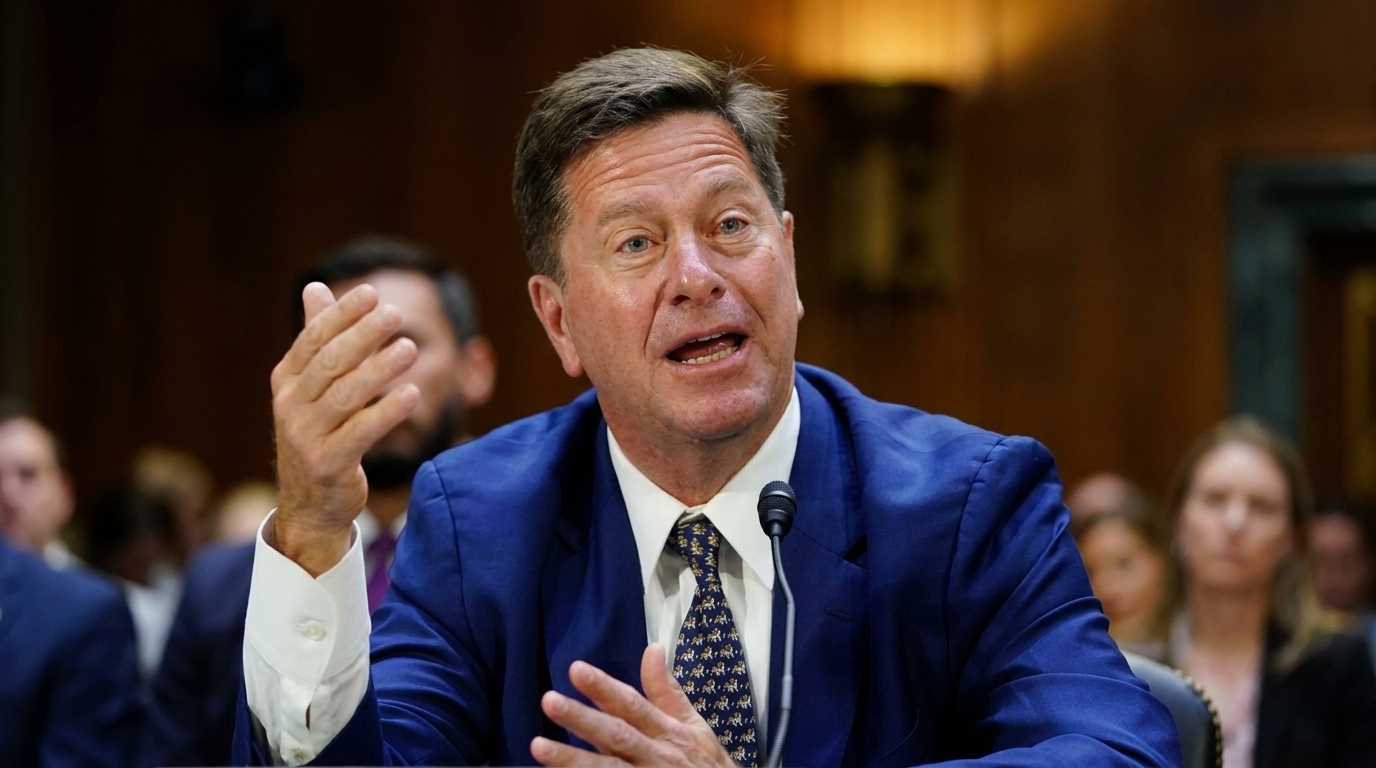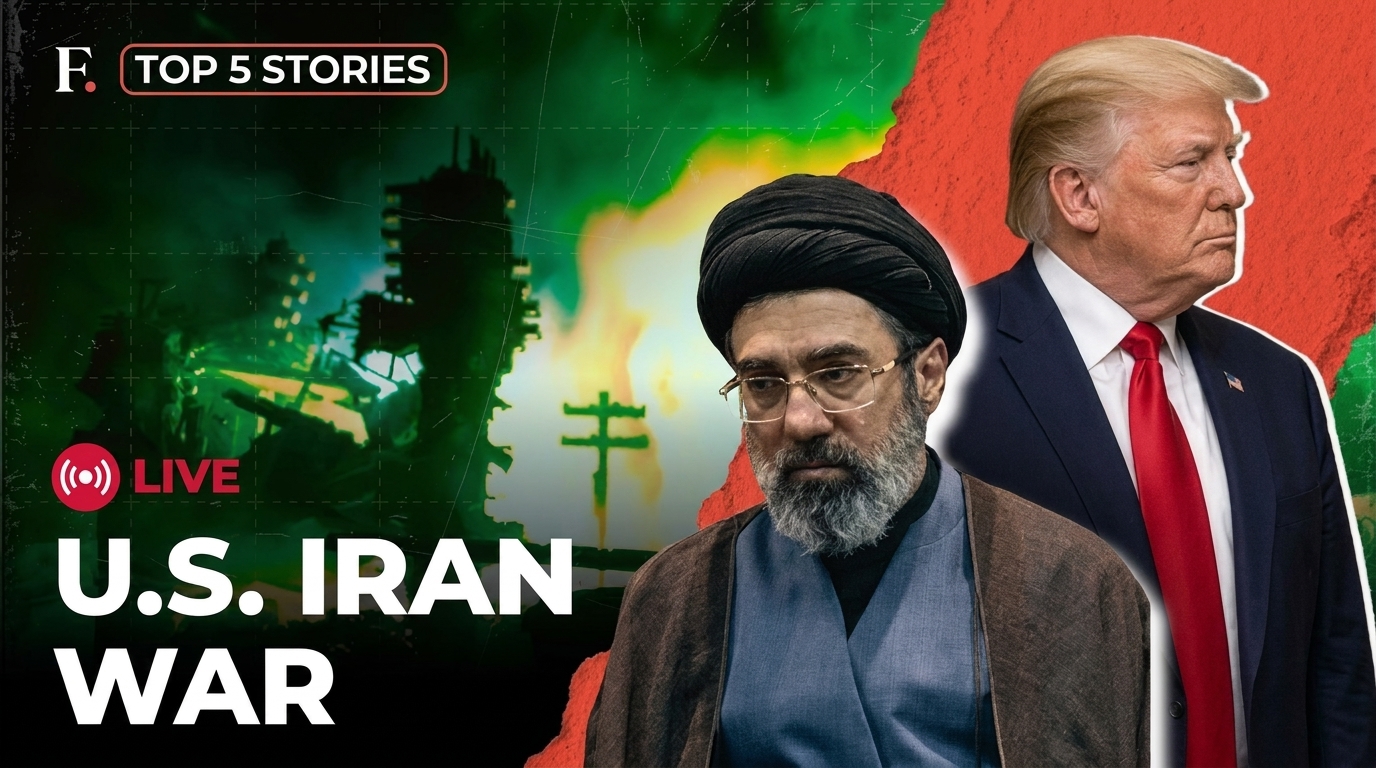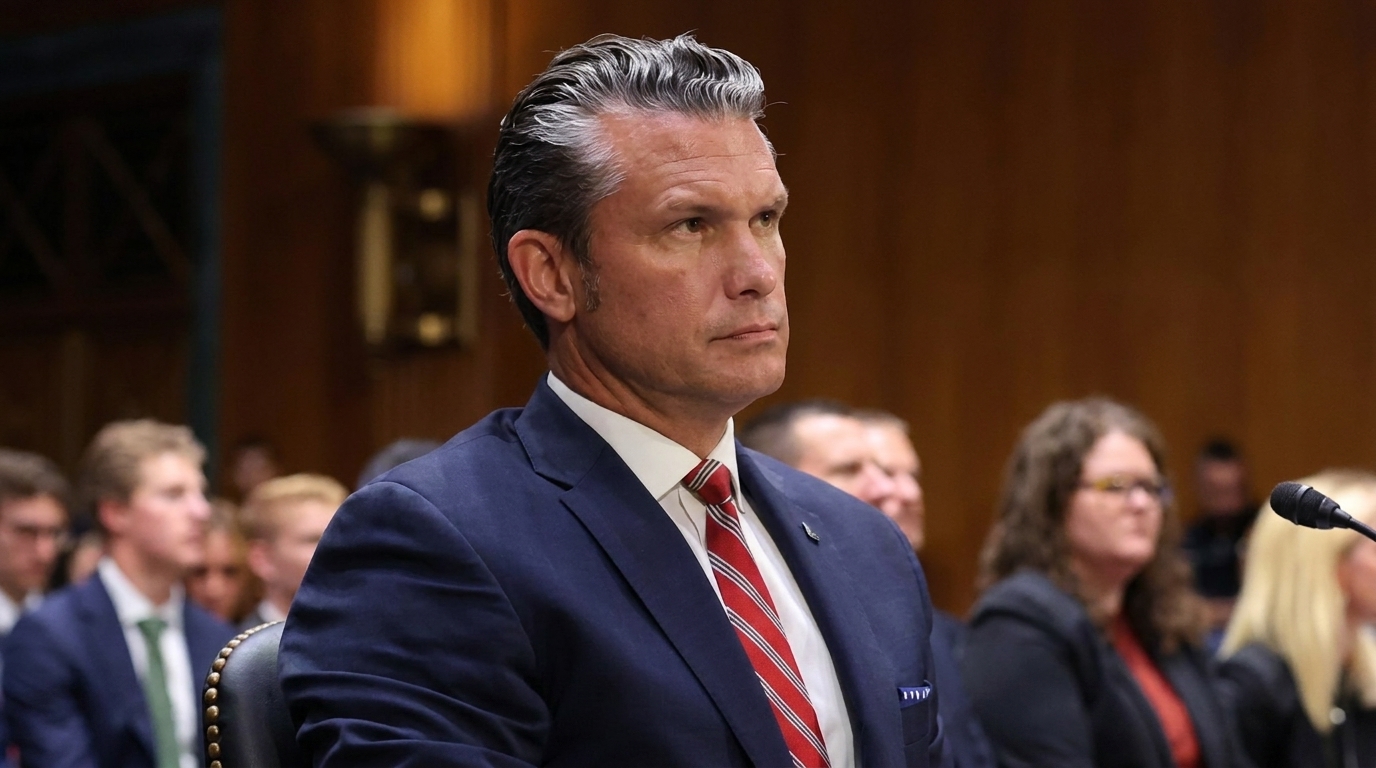
The Hegseth Iran war funding hearing this week produced one of the most heated exchanges Congress has seen since the conflict began, after Defense Secretary Pete Hegseth pushed lawmakers for billions more in war funding and Senator Gary Peters fired back with a line that immediately dominated headlines. “You sir are the failure, not the men and women who are on that front line,” Peters told Hegseth directly, arguing that American troops hadn’t failed in Iran, they had been failed by their own leadership’s lack of a winning strategy.
What Hegseth Actually Asked For
At the center of the Hegseth Iran war funding hearing was a new price tag for the ongoing conflict. Hegseth told lawmakers the war has cost $37.5 billion so far, and argued the Pentagon needs an additional $67 billion just to restock weapons and ammunition expended during the fighting. That request comes on top of the Pentagon’s existing $1.5 trillion budget proposal for fiscal year 2027, with Hegseth explicitly tying the supplemental funding request to a broader argument for keeping the U.S. military on what he called the cutting edge of innovation.
A Bigger Number Was Floated Earlier
The $37.5 billion figure discussed at the Hegseth Iran war funding hearing is actually smaller than an earlier number that had circulated in Washington. Back in March, reports emerged that the Pentagon had asked the White House to send Congress a request for more than $200 billion tied to the war. At a press conference at the time, Hegseth confirmed the Pentagon was seeking additional funds but said the $200 billion figure “could move,” adding bluntly, “it takes money to kill bad guys.” Senate Majority Leader John Thune later told reporters the eventual figure would need close review, saying “it remains to be seen” whether such a request could pass.
Why General Caine Kept Repeating One Line
Alongside Hegseth at the Hegseth Iran war funding hearing sat Gen. Dan Caine, who returned again and again to a single phrase throughout his testimony: “If not now, then when, and if not us, then who.” Republicans on the committee used that framing to press the case for the funding, repeatedly asking Caine how a failure to approve the money might endanger troops currently deployed in the region. The strategy appeared aimed at reframing the funding vote as a matter of troop safety rather than open-ended war spending.
Democrats Weren’t Convinced
Despite the emotional framing from Republicans, the Hegseth Iran war funding hearing left little indication that Democrats were persuaded on either the cost or the strategy behind the request. Peters’ blunt rebuke set the tone, and other Democratic senators used their time to press for a clearer accounting of how the war’s objectives had shifted since it began, and what a defined endpoint might actually look like. The lack of consensus leaves President Trump in a difficult spot as he reportedly considers further intensifying the conflict even as its funding remains unresolved in Congress.
Even Some Republicans Are Skeptical
The Hegseth Iran war funding hearing didn’t just expose Democratic opposition, it also revealed cracks among Republicans historically supportive of defense spending. Sen. Roger Marshall, a Kansas Republican, called the earlier $200 billion figure “a little tall” in a Fox Business interview, adding that Pentagon officials need to explain exactly what the money would fund. “I think we give the Pentagon a trillion dollars a year, you would think that would be enough,” Marshall said, reflecting a broader fiscal hawk sentiment that has complicated the administration’s push for additional war spending.
A Pattern of Frustration Over Transparency
The tension on display at the Hegseth Iran war funding hearing didn’t come out of nowhere. Democrats on the House Armed Services Committee had previously sent a letter demanding a public hearing after a classified briefing left members unsatisfied, writing that they were “deeply troubled by the lack of transparency from the Trump Administration and the Department of Defense.” Even Rep. Mike Rogers, an Alabama Republican who supported Trump’s original decision to strike Iran, said at the time that lawmakers weren’t getting substantive answers about military strategy and planning, adding, “we’re just not getting enough answers on those questions.”
How the War’s Scale Has Grown
Part of what makes the Hegseth Iran war funding hearing so consequential is just how much the conflict has expanded since it began in late February. The Pentagon entered the war after Congress had already approved the largest defense budget in the department’s history, nearly $1 trillion, the previous year, an amount that was further supplemented by billions more tied to the “One Big Beautiful Bill” tax and policy package passed in summer 2025. Hegseth has separately said U.S. forces have struck more than 7,000 targets inside Iran, with some days described as the largest strike packages of the entire campaign.
No Clear Timeline for an End
One detail that continued to frustrate lawmakers throughout the Hegseth Iran war funding hearing is the absence of any defined endpoint for the conflict. Hegseth has repeatedly declined to offer lawmakers a specific timeframe, saying instead that the decision on when to stop will ultimately rest with President Trump once he determines the military has “achieved what we need to.” For members of Congress being asked to approve tens of billions more in funding, that open-ended framing has become a central point of frustration on both sides of the aisle.
Why This Vote Matters So Much
The stakes surrounding the Hegseth Iran war funding hearing extend well beyond this single funding request. With Republicans holding a narrow Senate majority and needing significant bipartisan buy-in to pass major spending measures, the administration’s ability to secure this money will serve as a real test of how much political capital remains for continuing the war at its current scale. A failure to secure the funding could force difficult choices about troop deployments and munitions resupply, while approval would signal Congress remains willing to bankroll an open-ended conflict despite persistent questions about its strategy and endgame.
What Happens Next
Following the contentious Hegseth Iran war funding hearing, the supplemental request now moves into a period of negotiation and review in Congress, with no clear indication of when or whether it will pass. Given the skepticism voiced by lawmakers across the political spectrum, from Peters’ pointed rebuke to Marshall’s fiscal concerns, the administration faces a genuinely uncertain path forward in securing the tens of billions it says are needed to sustain the war effort in the months ahead.
Sources: thehill.com, aljazeera.com, axios.com, pbs.org