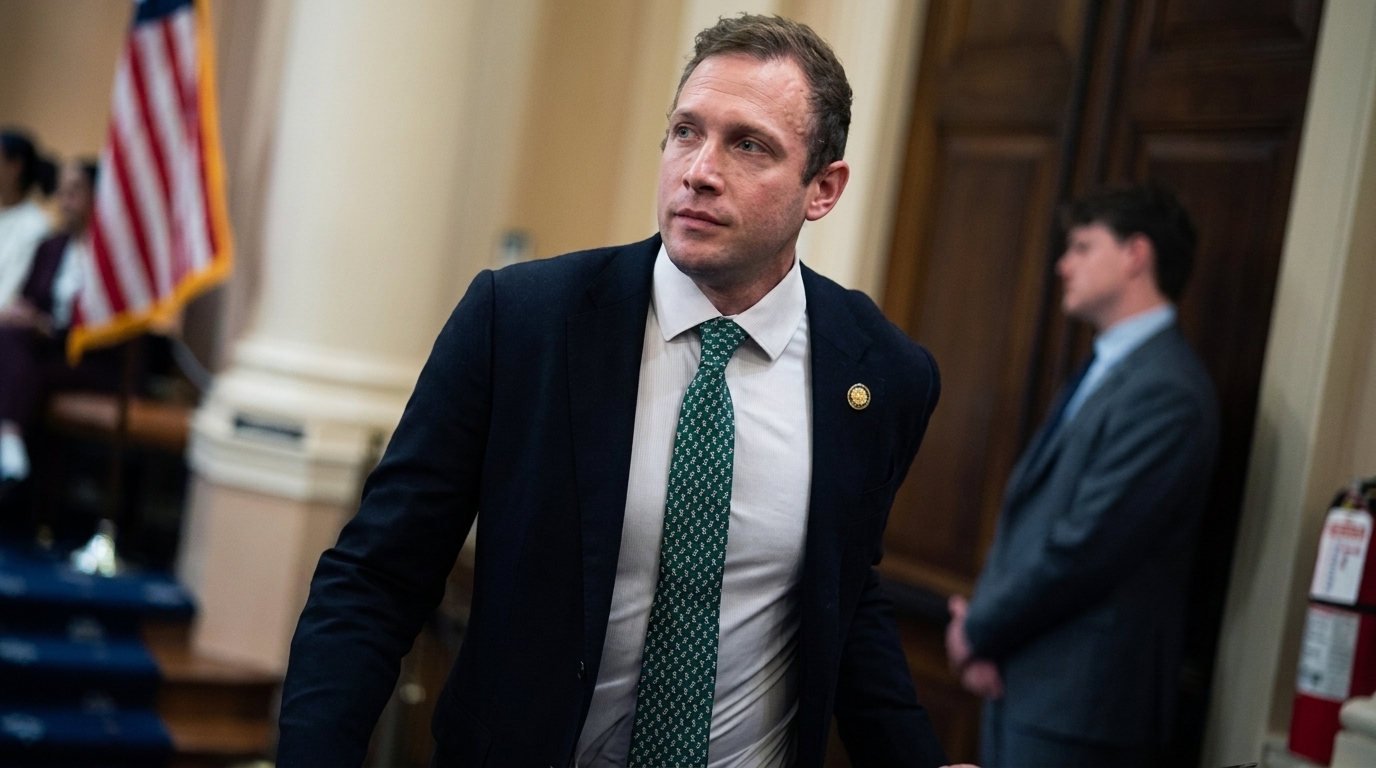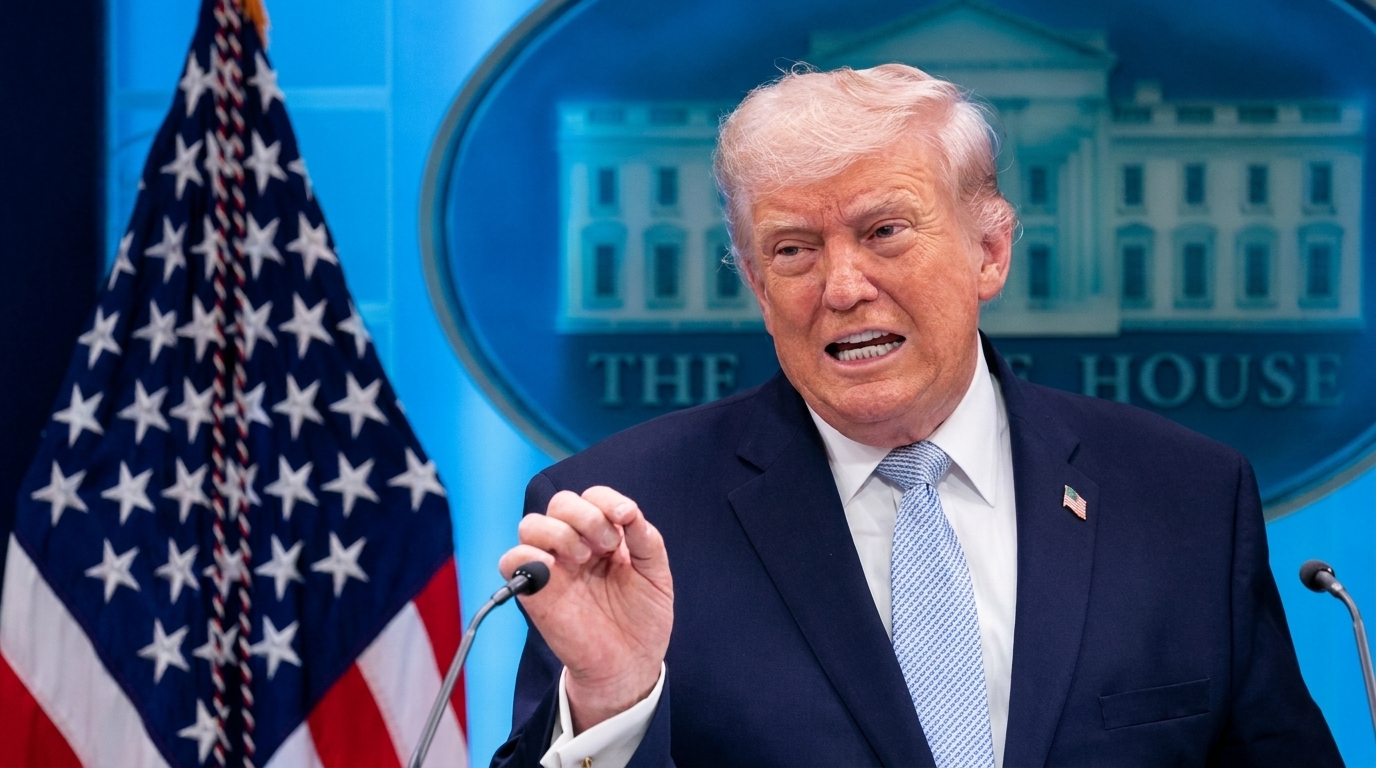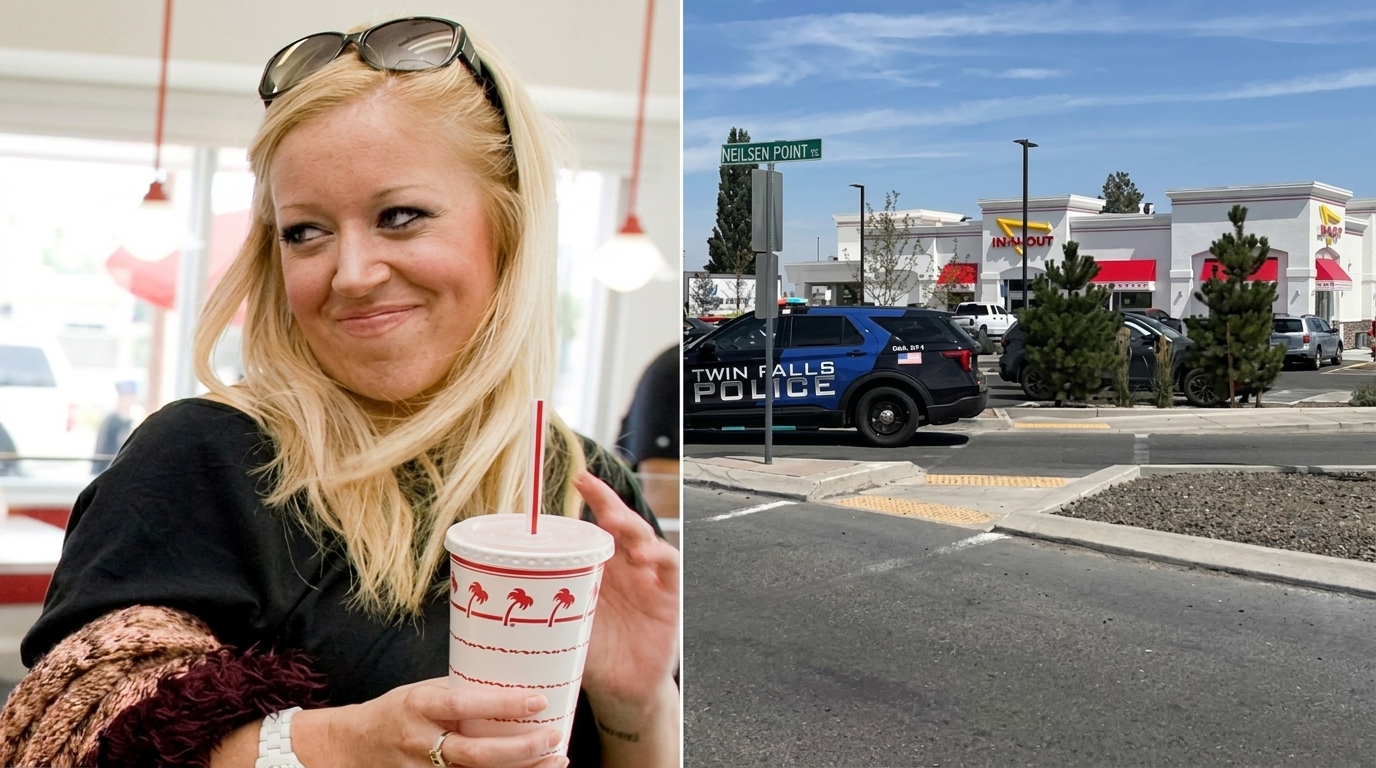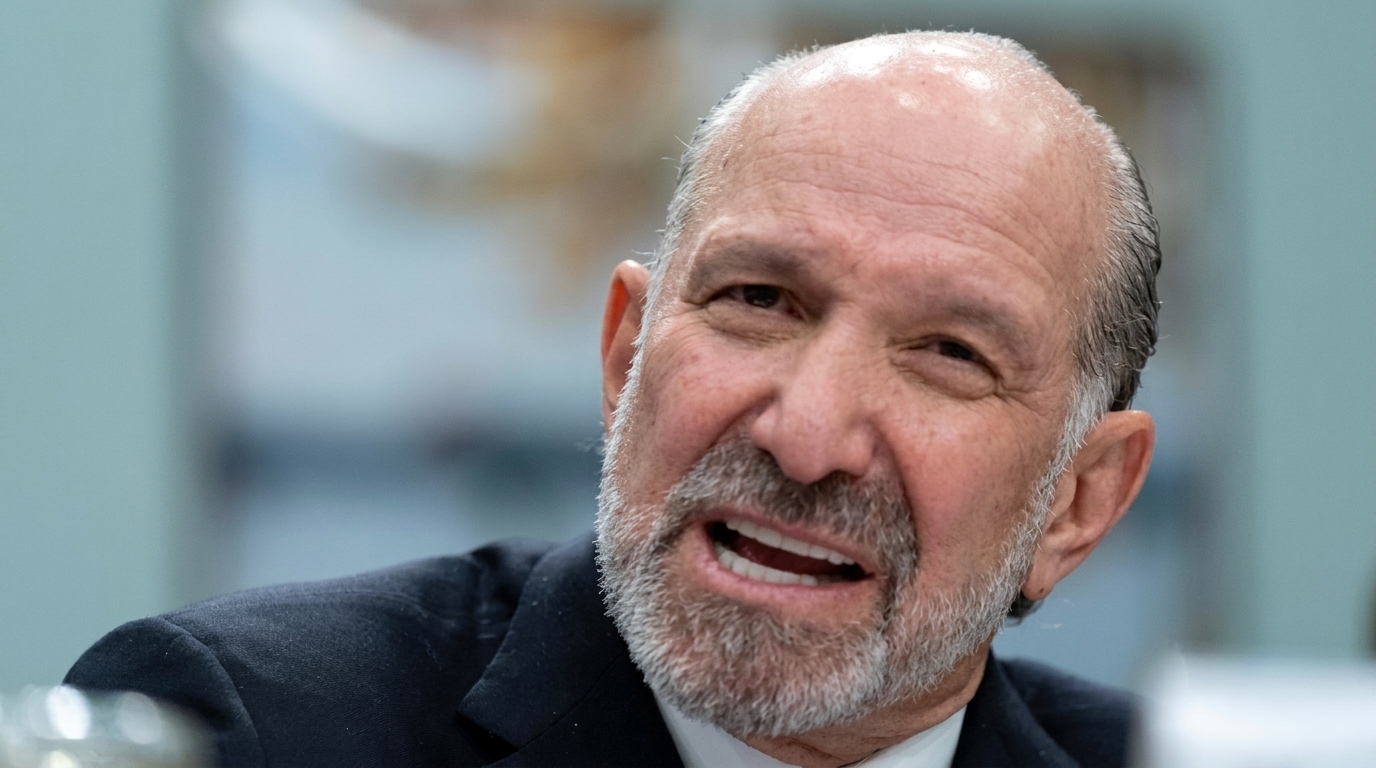
A pair of ICE deadly shootings this month has reignited protests and reopened hard questions about how the agency recruits, trains, and equips its officers. Both incidents happened during traffic stops, one in Biddeford, Maine, and one in Houston, and in neither case were the agents wearing body cameras or the victim the intended target of the operation. Together, the two ICE deadly shootings have pushed a slow-building controversy over agency standards back into the national spotlight.
What Happened in Maine
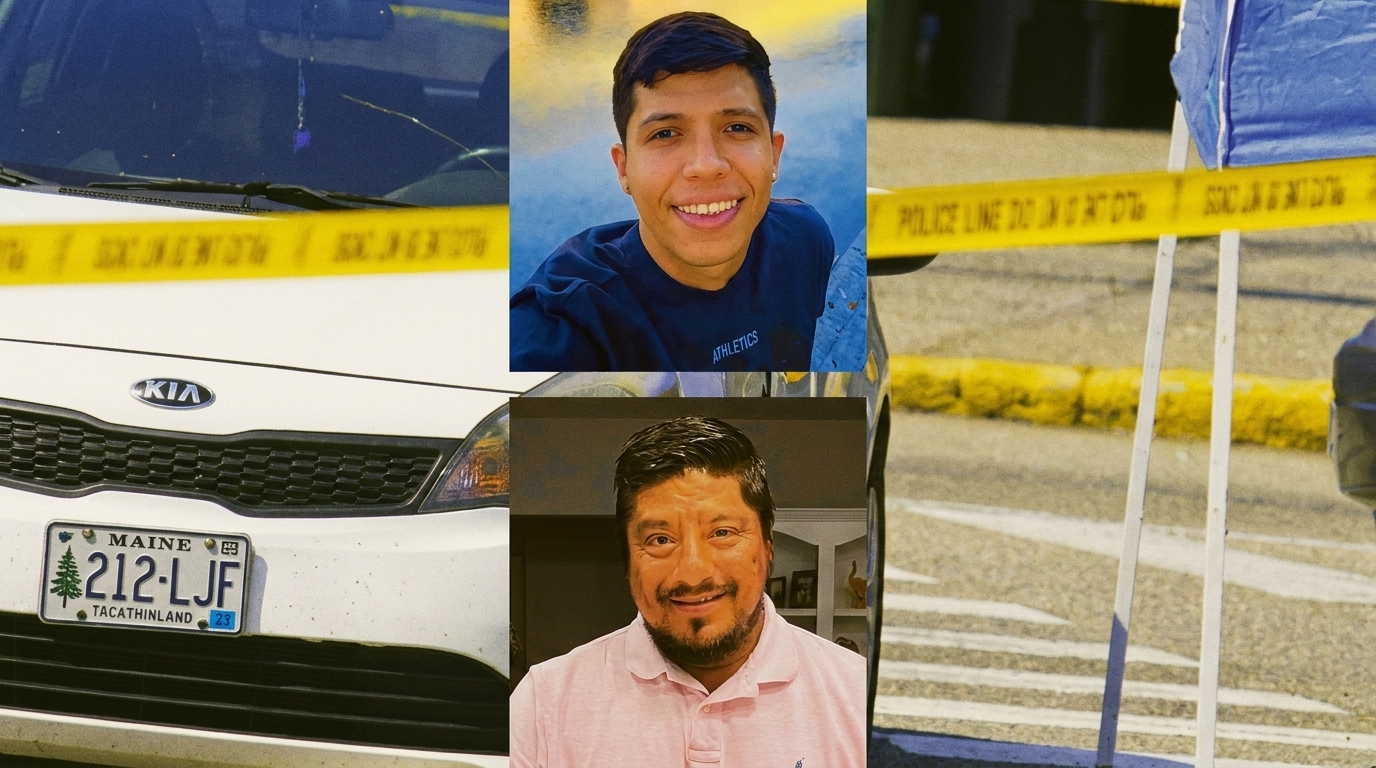
The first of the two ICE deadly shootings took place Monday, July 13, when agents pulled Johan Sebastián Durán Guerrero from his car in Biddeford. Photos from the scene showed his vehicle’s windshield struck by four bullet holes. Within days, the Associated Press identified the agent involved as David Brouillette, a 37-year-old military veteran and police officer who also worked in real estate, based on conversations with three of his relatives. Reports that quickly followed described a troubled personal history involving allegations of abuse and mental illness, details that Democratic lawmakers say should have surfaced during ICE’s vetting process well before he was armed and deployed.
The Second Shooting in Houston
Just days after the Maine incident, another of this month’s ICE deadly shootings claimed the life of Lorenzo Salgado Araujo in Houston, also during a traffic stop. Traffic stops have become a central enforcement tool for ICE agents working to meet the Trump administration’s goal of roughly 2,000 arrests a day, and critics argue that same pressure to hit high daily quotas has contributed directly to the pattern behind these ICE deadly shootings.
Lawmakers Demand Answers
The Biddeford case in particular triggered an immediate political response. Democratic members of Congress publicly demanded answers from the Department of Homeland Security after what they called a “bombshell” report revealed the agent’s background. Their concern centers on how ICE’s rapid hiring campaign, which drew more than 220,000 applications according to former acting ICE director Todd Lyons, could have allowed someone with a documented history of violent behavior to be armed and placed in high-pressure enforcement situations tied to these ICE deadly shootings.
A Pattern of Cut Corners on Training
These two ICE deadly shootings didn’t emerge in isolation. According to CNN, ICE officers already receive far less training than nearly any other category of armed federal agent, and the Trump administration had cut recruit training hours further amid its aggressive hiring push. Homeland Security Secretary nominee Markwayne Mullin later reversed those cuts, telling a congressional hearing that training would be restored to “regular standards” by July 1. A DHS spokesperson confirmed the agency is now adding crowd control instruction, high-risk vehicle stop procedures, medical training, and a live-fire cover course, though the two fatal ICE deadly shootings this month occurred while that training overhaul was still being implemented.
ICE Traffic Stops Paused, Then Reinstated
In direct response to mounting concern over these ICE deadly shootings, Mullin briefly halted ICE traffic stops altogether before reversing course just as quickly, reinstating them amid what CNN described as an inevitable backlash either way. The reversal reflects the difficult position the agency finds itself in: traffic stops remain one of the most efficient tools available for hitting aggressive arrest targets, even as those same stops have now produced two of the highest-profile ICE deadly shootings of the year.
The Broader Numbers Behind the Headlines
While this month’s two cases drew the most attention, they’re part of a larger pattern researchers have been tracking closely. According to The Trace, a publication focused on gun violence, federal immigration agents have now been involved in at least 16 shootings since the start of Trump’s immigration crackdown. A separate count from congressional Democrats found that federal enforcement officers had shot and killed 12 people, including at least two U.S. citizens, since last September alone, with at least 40 documented incidents of ICE agents using federally banned chokeholds during that same window.
Officials Have Defended the Shootings
Several senior Trump administration officials moved quickly to defend the agents involved in earlier ICE deadly shootings this year. In one widely scrutinized case involving Renee Nicole Good in Minneapolis, Homeland Security Secretary Kristi Noem accused Good of “domestic terrorism,” while Vice President JD Vance wrote on social media that the agent involved was “defending his life against a deranged leftist who tried to run him over.” President Trump separately claimed in an interview that Good “ran him over,” though a New York Times video reconstruction of the incident raised questions about that account. That pattern of officials rushing to publicly defend agents before formal investigations conclude has itself become part of the broader debate over accountability in these ICE deadly shootings.
Why Oversight Is So Limited
Part of what makes accountability difficult in cases involving ICE deadly shootings is the agency’s unusual position within federal law enforcement. ICE already receives less oversight for use-of-force incidents than most local police departments and has historically resisted disclosing its use-of-force policies publicly. Under 2023 guidelines from DHS, agents are barred from shooting at the driver of a moving vehicle except in self-defense, and lethal force against a fleeing person is prohibited unless that person poses a serious threat. In practice, though, federal law enforcement officers benefit from broad legal immunity, making the bar for indictment extremely high even when video evidence appears to contradict an agent’s official account.
Former Officials Weigh In
The renewed scrutiny over ICE deadly shootings has drawn even former agency leadership into the debate. John Sandweg, who served as acting ICE director under President Obama, discussed the pattern publicly this week, pointing to the combination of rapid hiring, reduced training hours, and aggressive arrest quotas as a recipe that was likely to produce exactly this kind of outcome. His comments reflect a broader concern among former officials that structural pressure on the agency, not just individual bad actors, is driving the recent spike in ICE deadly shootings.
What Happens Next
With DHS’s self-imposed July 1 deadline for restoring training standards already passed, and traffic stops back in active use despite the recent controversy, there’s no indication ICE’s underlying enforcement approach is changing significantly in response to these ICE deadly shootings. Congressional Democrats continue pushing for formal oversight hearings, while the Brouillette case in particular is likely to keep drawing scrutiny given the questions still surrounding his background check. Whether this month’s incidents lead to concrete policy changes, or simply become two more entries in a growing tally of federal immigration enforcement shootings, remains an open question heading into the fall.