jetblue drone strike JFK: 6 facts about the incident and the bigger problem behind it
A JetBlue flight reportedly struck a drone while on final approach to one of America’s busiest airports Monday morning. The jetblue drone strike JFK incident ended without injury or confirmed aircraft damage, but it has reignited concerns about a problem that has been quietly escalating at airports across the country for months.
Here is what actually happened, and why this single incident is part of a much larger pattern.
what happened during the jetblue drone strike JFK incident
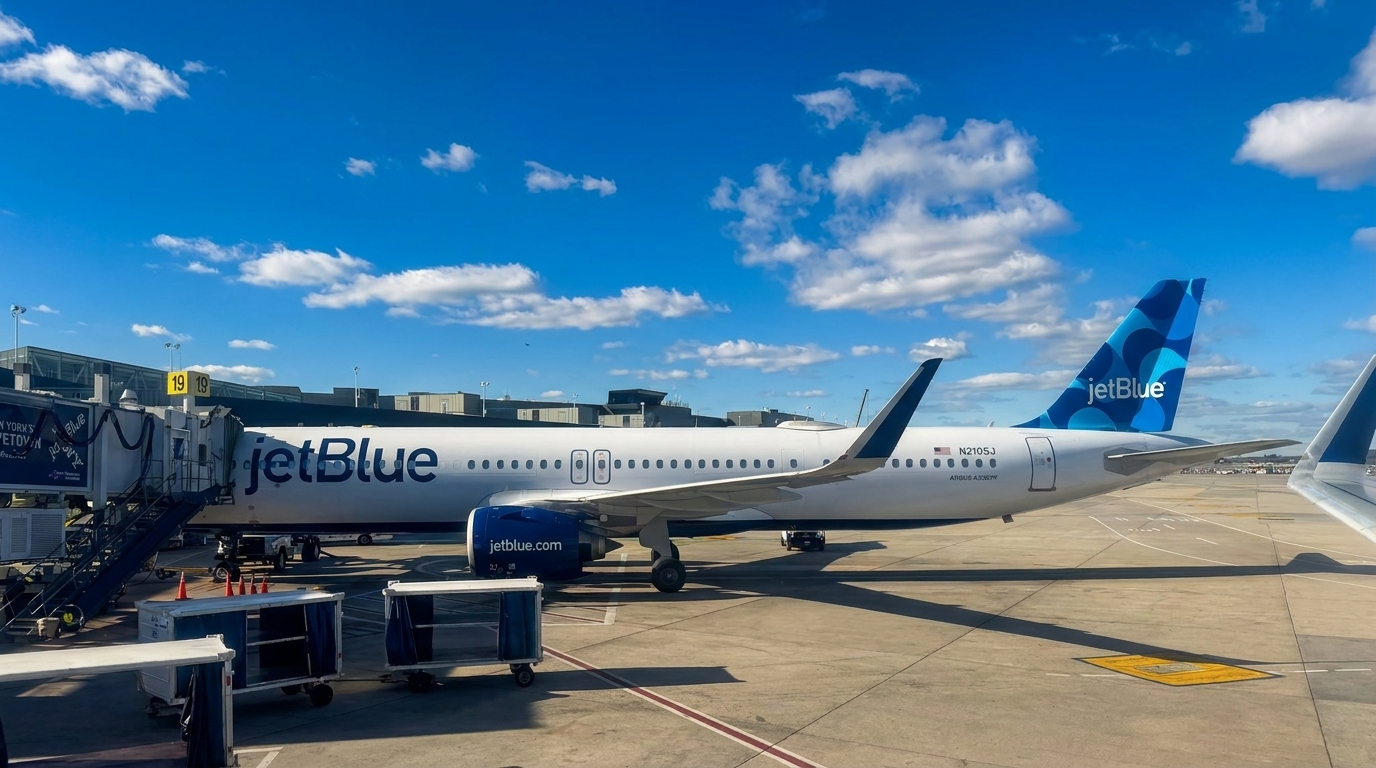
JetBlue Flight 948, which departed from Harry Reid International Airport in Las Vegas, was on final approach into John F. Kennedy International Airport in New York at approximately 7:15 a.m. local time on Monday. The pilot reported striking a drone at an altitude of roughly 3,000 feet.
According to the Federal Aviation Administration, the pilot’s report was immediate and specific: a drone encounter during final approach, at a defined altitude, communicated directly to air traffic control. JetBlue confirmed the report to media, describing it as the crew reporting “a possible drone encounter during the aircraft’s final approach into New York.”
The jetblue drone strike JFK flight landed without incident. Passengers deplaned normally. The aircraft was then removed from service for a mandatory post-flight inspection.
what the inspection actually found
This is the detail that matters most for understanding the real severity of the jetblue drone strike JFK incident: both JetBlue and FAA officials confirmed that the post-flight inspection found no evidence of damage to the aircraft and no physical evidence of an actual collision.
This doesn’t necessarily mean nothing happened. It’s possible the drone came close enough, at high enough relative speed, that the pilot reasonably believed a strike had occurred without there being a confirmed physical impact significant enough to leave inspectable damage. The FAA is treating the report seriously regardless and has opened a formal investigation.
JetBlue’s statement was direct: “Safety is JetBlue’s first priority, and we will assist with any relevant investigations.”
why this is part of a much bigger pattern
The jetblue drone strike JFK incident did not happen in isolation. It is the latest data point in a documented surge of drone activity near major US airports that has been building for months.
According to the FAA, unauthorized drone operations near airports are illegal, but “reports of unmanned aircraft sightings from pilots, citizens and law enforcement remain high.” Earlier this year, the volume of reported sightings in the New York and New Jersey region became significant enough that the FAA issued temporary flight restrictions on drone operations in parts of both states.
The jetblue drone strike JFK case adds a new dimension to that pattern: it’s not just sightings anymore, it’s a pilot-reported physical encounter during a critical phase of flight. Final approach is widely considered one of the most sensitive moments of any commercial flight, when aircraft are at lower altitudes, lower speeds, and have significantly reduced margin for unexpected obstacles.
the legal reality for unauthorized drone operators
Operating a drone near an airport without proper authorization is not a minor regulatory technicality. Under FAA rules, violators can face significant civil penalties and, in serious cases, criminal charges including potential jail time.
Despite those legal consequences, the jetblue drone strike JFK incident demonstrates that enforcement has not been sufficient to prevent unauthorized drones from operating in some of the most heavily monitored, most restricted airspace in the country. JFK is one of the busiest international airports in the United States, with extensive air traffic control coverage and well-established no-fly zones around its approach and departure paths.
who is actually responsible and why that’s still unknown
One of the most significant unresolved questions in the jetblue drone strike JFK case is who was operating the drone and why.
As of this reporting, no individual has been identified or charged in connection with the incident. The broader surge in drone sightings near US airports has prompted speculation ranging from uninformed hobbyists unaware of restricted airspace rules, to commercial drone operators violating altitude or proximity limits, to more deliberate or malicious activity. Aviation security experts have not reached consensus on what’s driving the overall increase, and individual incidents like the jetblue drone strike JFK case are typically investigated independently rather than as part of a centrally coordinated explanation.
what this means for air travel going forward
The jetblue drone strike JFK incident, while resolved without injury or confirmed damage, illustrates a growing tension in American airspace: the proliferation of consumer and commercial drones has outpaced both public awareness of airspace restrictions and the enforcement capacity needed to consistently prevent unauthorized operations near critical aviation infrastructure.
The FAA’s investigation into this specific incident will examine flight data, air traffic control recordings, and any available radar or visual evidence of the drone involved. Whether this leads to identification of the operator, and what consequences follow, remains to be seen.
For now, the jetblue drone strike JFK case stands as the latest example of a problem that aviation regulators, airlines, and lawmakers have been increasingly vocal about needing to address before a similar incident produces a more serious outcome.