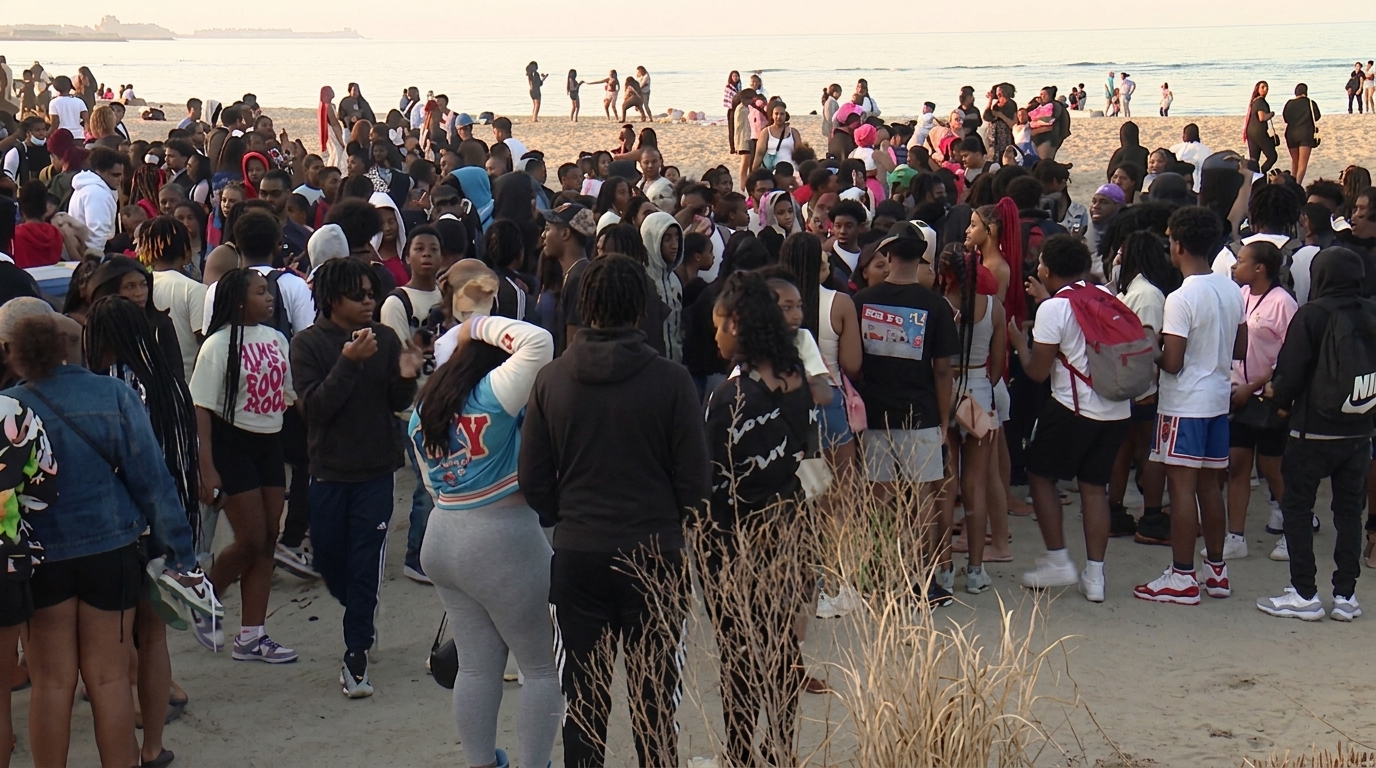
Teen takeovers have exploded into a nationwide phenomenon this year, with massive social-media-organized crowds of adolescents overwhelming malls, beaches, restaurants, and neighborhoods in cities from coast to coast. What often starts as a viral flyer or social media post has repeatedly turned into scenes of fighting, looting, gunfire, and mass arrests, leaving police departments scrambling to respond before crowds even fully assemble.
How Big the Teen Takeovers Problem Has Gotten
The scale of teen takeovers this year has surprised even experienced law enforcement officials. In Newport Beach, California, one of the wealthiest and historically safest cities in the state, a July 4th teen takeover near the pier led to 402 arrests, including roughly 200 people who refused lawful dispersal orders, a dramatic jump from just 60 arrests during the same weekend the year before. An officer was struck by a mortar-style firework during the chaos, and a nearby grocery store was looted as thousands of unruly teens and young adults overwhelmed local police.
A Pattern Playing Out Nationwide
Teen takeovers aren’t confined to any single region. Incidents this year have struck a packed Chipotle in Washington, D.C.’s Navy Yard, where screaming teens threw chairs and brawled as customers scrambled for safety, a Wisconsin shopping mall where thirteen people were arrested after fights broke out, a Bronx mall where a McDonald’s window was shattered, and a Virginia shopping center where hundreds of masked teens sent shoppers fleeing into stores over rumors of a shooting. Chicago, Detroit, Tampa, Orlando, and beach towns across Florida and Georgia have all seen similar teen takeovers escalate into violence this year.
When Teen Takeovers Turn Deadly
Some teen takeovers have gone well beyond property damage and arrests. In Edmond, Oklahoma, an 18-year-old girl was killed and 22 others injured when gunfire broke out between rival groups at a lake gathering in early May. In Detroit, a 16-year-old was shot during a Memorial Day weekend teen takeover, and the following weekend, a 14-year-old was shot in the chest outside a Gucci store during another unruly gathering. In Clearwater, Florida, a 17-year-old was shot on a beach packed with hundreds of teens in late May, underscoring how quickly these gatherings can turn lethal once large, unsupervised crowds mix with underlying tensions or weapons.
How These Gatherings Actually Come Together
What makes teen takeovers particularly hard to predict and prevent is how they’re organized. Most begin with a single social media post or flyer inviting people to a specific location at a specific time, and word spreads rapidly through group chats, comment sections, and reposts. Investigators looking into the Newport Beach incident found that many of the 402 people arrested weren’t even local, with 145 individuals reportedly coming from as far away as Arizona, alongside others from Nevada and surrounding states, suggesting these teen takeovers have become something people will travel significant distances to attend.
Why Experts Say Filming Makes It Worse
A recurring theme across nearly every teen takeover incident is the role smartphones play in escalating the chaos. Teen safety expert Katey McPherson observed that at the scenes she’s studied, most participants were male, some were using substances, and virtually everyone had their phones out recording and validating the destruction as it happened. “The more destructive, the more looting, more fighting, more graphic and profane and explicit it was, the more street cred they get,” McPherson said, describing a feedback loop where the desire to capture a viral moment actively encourages more extreme behavior once a crowd starts to turn.
The Psychology Behind the Chaos
Beyond social media incentives, researchers point to basic adolescent group psychology as a major driver behind teen takeovers. Experts note that teenagers are naturally wired to seek acceptance from their peers, and in large, anonymous crowds, especially ones fueled by social media excitement, individual judgment and restraint can give way to group behavior. The pattern tends to repeat itself: a crowd forms, one person pushes a boundary, others follow to avoid standing out, and what began as a gathering spirals into fights, vandalism, or worse within minutes.
How Police Departments Are Trying to Respond
Departments across the country have shifted their approach to teen takeovers from reactive to preventive. Ahead of the July 4th weekend marking the nation’s 250th anniversary, police in cities including Falmouth, Massachusetts, and towns along the Georgia coast deployed drones, increased staffing, and actively monitored social media for signs of planned gatherings, aiming to disperse crowds before they could grow dangerous rather than waiting for violence to break out. Some cities have implemented juvenile curfew zones, with signage posted in high-risk areas informing anyone under 18 that they can’t be present without a parent or unless they’re working nearby.
Prosecutors Are Looking at Parents, Not Just Teens
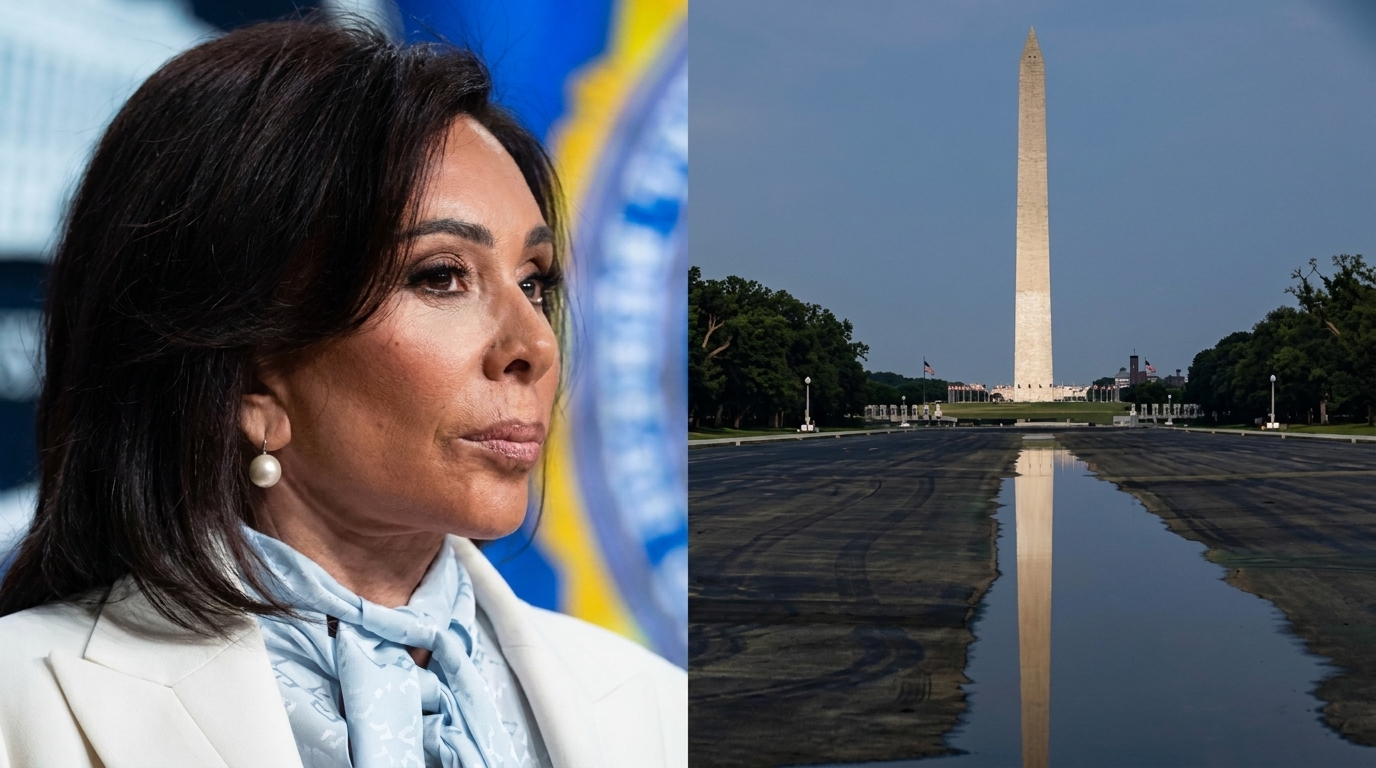
The response to teen takeovers hasn’t stopped at policing the teenagers themselves. Following a particularly chaotic incident in Washington, D.C., U.S. Attorney Jeanine Pirro signaled plans to explore prosecuting parents whose children participate in these gatherings, reflecting a broader push to hold adults accountable for supervision failures rather than treating the issue purely as a youth crime problem. That approach reflects a growing debate over where responsibility for teen takeovers should ultimately fall.
A Debate With No Clear Consensus
Commentary around teen takeovers tends to split sharply depending on who’s doing the explaining. Some point to loneliness, disconnection, and a lack of structured summer activities as root causes. Others argue the teens themselves bear direct responsibility for their choices regardless of underlying social pressures. Community leaders in some affected cities have tried a middle path, working alongside police and local businesses to head off potential gatherings before they escalate, while acknowledging there’s no single fix likely to stop the trend overnight.
What Happens Next
With teen takeovers continuing to pop up in new cities throughout the summer, from suburban malls to public beaches to fast-casual restaurants, there’s no indication the trend is slowing down. Police departments are increasingly investing in monitoring and prevention technology, prosecutors are exploring new legal angles targeting parents, and researchers continue studying exactly what combination of social media dynamics and teenage psychology is driving the phenomenon. Until a more effective response emerges, teen takeovers appear likely to remain a recurring feature of American public spaces for the rest of the season.
Sources: foxnews.com, apnews.com, city-journal.org, washingtontimes.com