troy nehls lobster comment: 7 facts about the affordability moment nobody can stop talking about
A single exchange on the Capitol steps this week has become one of the most talked-about political moments of the summer. The troy nehls lobster comment, delivered casually and without hesitation, has drawn comparisons to “let them eat cake” and is already being repurposed as opposition ad material. Here is exactly what happened and why it struck such a nerve.
what nehls actually said
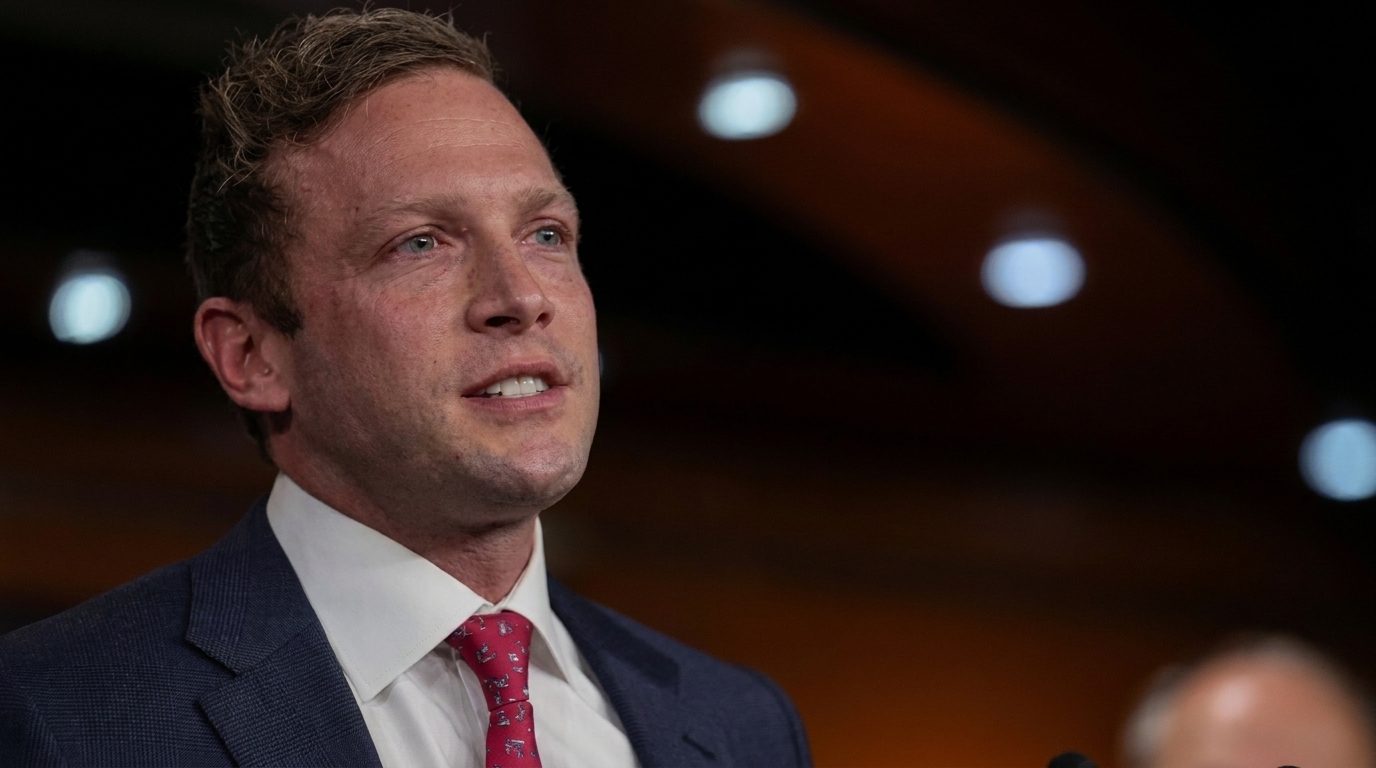
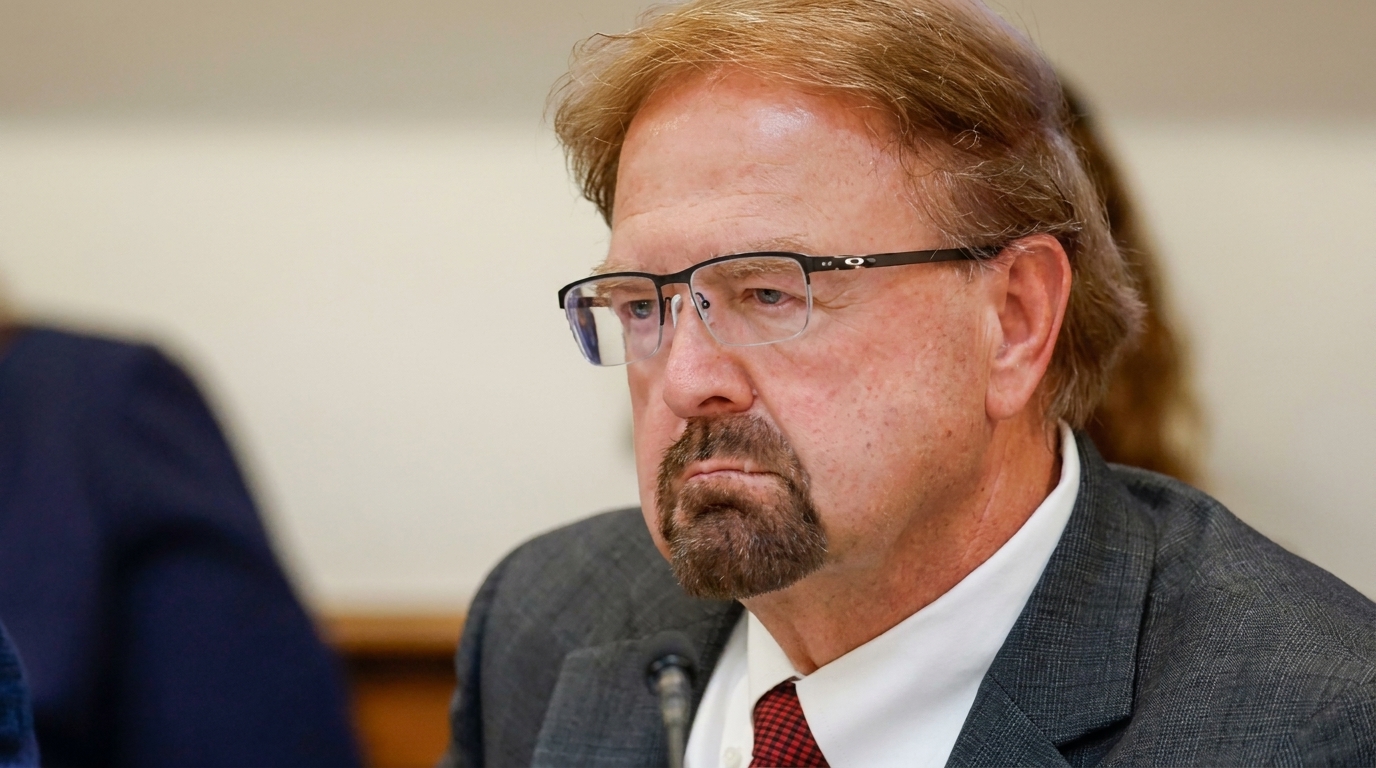
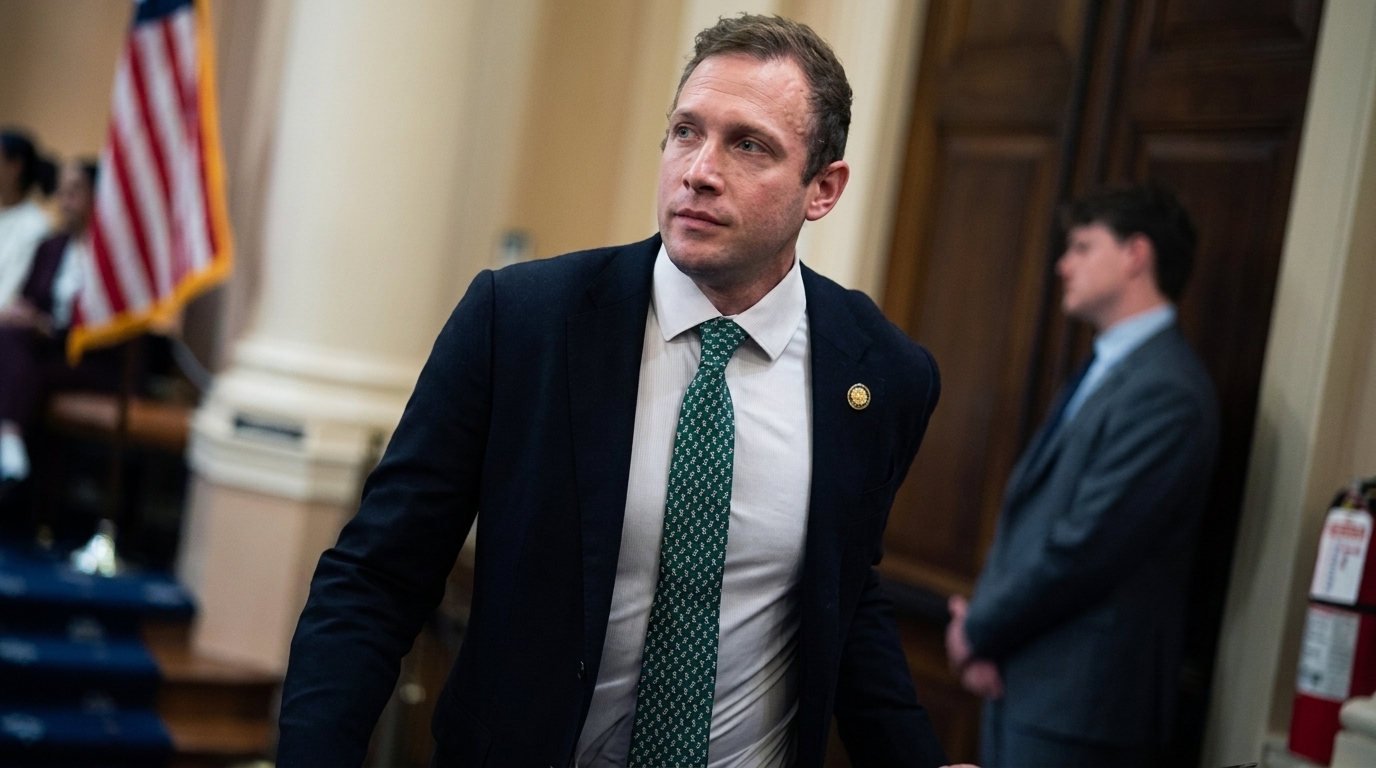
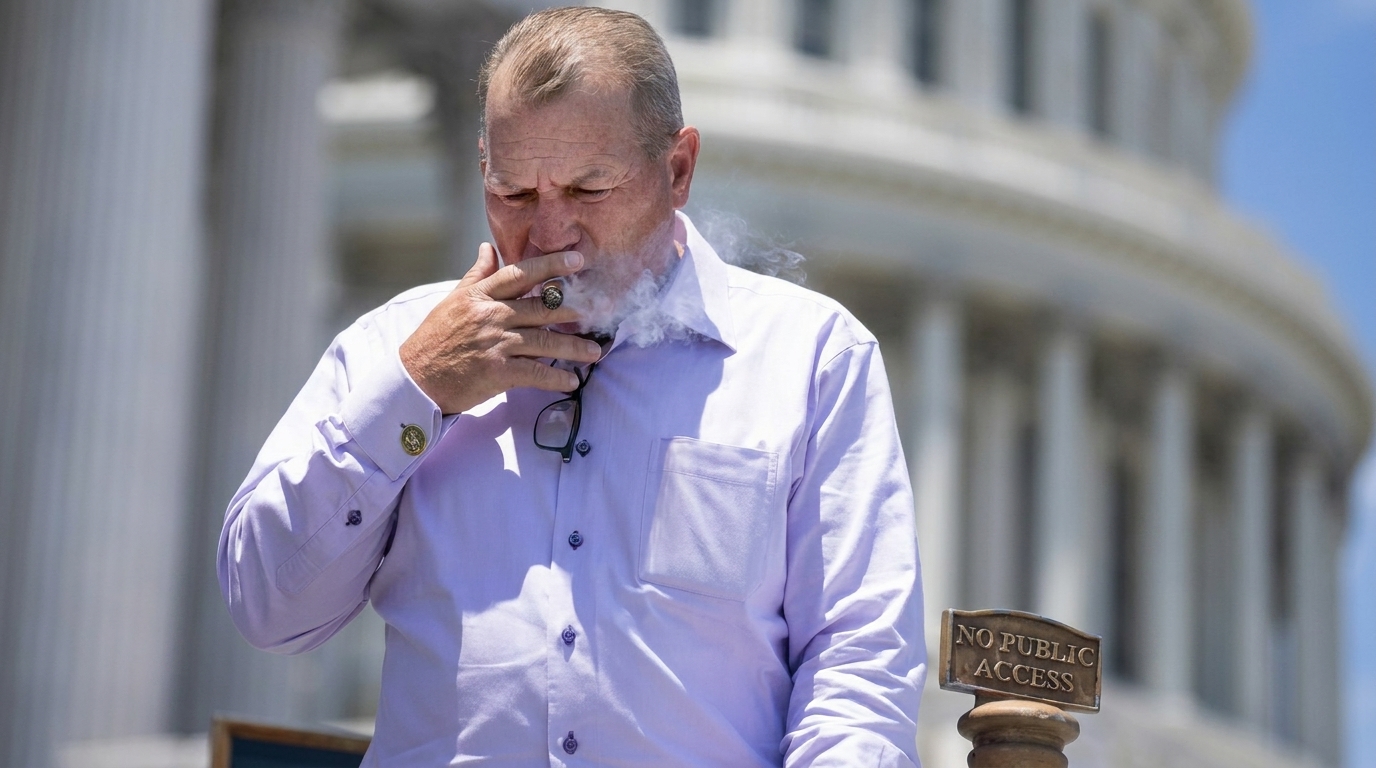
The troy nehls lobster comment came in response to a straightforward question. Reporter Pablo Manríquez of PabloReports approached the Texas Republican on Capitol Hill and asked how House Republicans plan to make the case that they are fighting for affordability when they return to their districts.
Nehls’ response was immediate and unguarded. “Affordability? What are you talking about?” he said, before pivoting into his own holiday plans. “I’m gonna go there tomorrow, well over the Fourth. I’m gonna get me a couple of big lobster tails, I’m gonna get me some nice ribeyes. I’m gonna sit in my backyard with my family, my neighbors, and we’re gonna be enjoying the Fourth, celebrating 250 years, the birthday, celebrating the greatest president of my lifetime, Donald J. Trump.”
the follow-up that made it worse
What turned the troy nehls lobster comment from an awkward soundbite into a viral moment was the follow-up. A second reporter, Julian Andreone of Drop Site News, pressed Nehls directly: “You think 60% of Americans who are living paycheck to paycheck can afford lobster tails and ribeyes and all that?”
Nehls did not walk back his comments. “Maybe not,” he said. “Maybe the 60% of Americans don’t work as hard as I do either. I mean, I don’t know.”
That specific line suggesting struggling Americans simply aren’t working hard enough is what transformed the troy nehls lobster comment into what multiple outlets have directly compared to Marie Antoinette’s apocryphal “let them eat cake.”
the economic numbers behind the backlash
The troy nehls lobster comment landed at a moment when the underlying economic data makes the remark especially difficult to defend.
According to the most recent Consumer Price Index report from the Bureau of Labor Statistics, annual inflation reached 4.2% in May, the highest reading in more than three years. The Groundwork Collaborative reported that ground beef prices have surged more than 20% and Ball Park brand hot dogs have climbed 13% since last summer, directly affecting the cost of traditional July 4th cookout staples.
Gas prices have also spiked due to the ongoing conflict with Iran. The national average stood at $3.84 per gallon this week, up from $2.98 just two days before U.S. and Israeli strikes on Iran began. A CNN/SSRS survey conducted in late April and early May found that 61% of respondents had changed their grocery shopping habits to stay within budget, while three in ten Americans said they had taken on credit card debt just to afford basic necessities.
why nehls specifically has no political risk here
One detail makes the troy nehls lobster comment particularly notable from a political strategy standpoint: Nehls is not seeking reelection. He will not personally face voters over these remarks in November, which several commentators noted may explain why he felt free to speak so candidly.
Congressional pay and schedule details have also become part of the conversation. Members of Congress earn $174,000 annually with taxpayer-funded health insurance, and typically work between 135 and 150 legislative days per year, spending Tuesday through Thursday in Washington during session weeks. Critics highlighted this contrast directly against Nehls’ suggestion that struggling Americans “don’t work as hard” as he does.
how democrats are already using it
The troy nehls lobster comment did not stay contained to a single news cycle. Within 24 hours, the Democratic National Committee’s official account posted the clip with the caption “The Republican affordability plan,” and multiple political commentators, including Mehdi Hasan, publicly stated that Democrats should turn the footage into a campaign advertisement.
Journalist Jonathan Chait called it “the most tone-deaf thing” he’d heard a politician say, while political analyst Luke Thomas noted the moment reflects a broader shift: “The best way to tell that affordability is becoming an issue now more associated with the left is the right is mocking it.”
the broader pattern this fits into
The troy nehls lobster comment arrived in the same week as several other affordability-related political moments. President Trump, defending his refusal to sign a bipartisan housing bill, stated Monday: “I don’t want to drive housing prices down,” according to Common Dreams reporting a remark that similarly struck critics as dismissive of a crisis three-quarters of Americans say is a top concern.
Trump’s approval rating on the economy sits at a record low, with only 33% of American adults approving of his economic performance, according to a recent NPR/PBS News/Marist poll.
what nehls said about the underlying cause
To his credit, Nehls did offer a broader economic explanation during the same exchange, attributing rising fuel costs partly to the Iran conflict and describing the increases as “temporary.” He also referenced concerns about price gouging, a practice Trump has publicly criticized companies for engaging in.
But that context was largely overshadowed by the lobster and ribeye remarks, which have become the defining image of the exchange. Whether the troy nehls lobster comment fades as a single viral clip or becomes a lasting symbol of the affordability debate heading into the midterms remains to be seen.
Sources: HuffPost, The Hill, Common Dreams, AOL/Mirror, Crooks and Liars June 30 to July 1, 2026