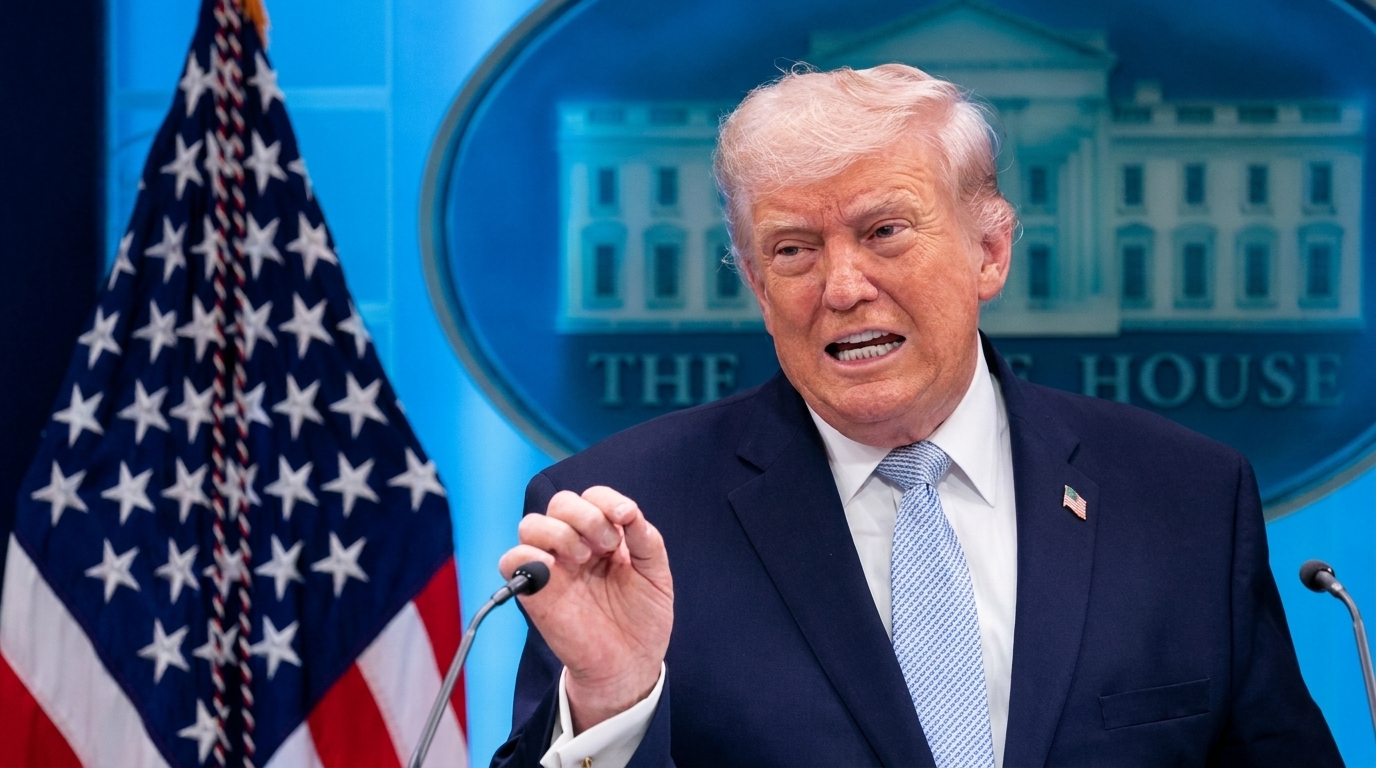
The Trump Canada tariffs took a dramatic turn on Monday, when President Trump signed three separate proclamations imposing an additional 50% tax on a wide range of Canadian goods, from wine and cheese to hockey sticks and cement. The move marks one of the most aggressive escalations yet in a trade relationship that has grown increasingly hostile since Trump returned to office, and it threatens to raise prices for American consumers just as much as it pressures Canadian exporters.
What the New Tariffs Actually Cover
The Trump Canada tariffs were authorized under Section 338 of the Tariff Act of 1930, an untested legal provision Trump turned to after the Supreme Court struck down several of his earlier tariffs earlier this year. According to a White House fact sheet, the new 50% duties apply broadly across dairy products, alcohol and alcohol-related goods, some food products, construction materials, clothing, furniture, and technology. Specific items named in coverage include milk, beer, wine, hockey equipment, and plywood. The tariffs notably exclude energy products, potash, and critical minerals, along with goods already subject to separate sector-specific duties on autos and steel.
Why the Administration Says This Is Necessary
Officials framing the Trump Canada tariffs have pointed to what they call discriminatory Canadian trade practices as the justification. U.S. Trade Representative Jamieson Greer said in a statement that Canada has taken American alcohol products off store shelves, given the European Union better access for dairy exports than the U.S., and capped American vehicle exports into Canada. A senior administration official told reporters the action was meant to “hold Canada accountable” for what they described as “substantial retaliation” following Trump’s earlier tariffs, and framed it as part of a broader push to “reindustrialize, reshore, and support” American manufacturing.
Where the Canadian Alcohol Dispute Started
Much of the friction behind the Trump Canada tariffs traces back to a retaliatory move Canada made last year. According to the White House, all but two Canadian provinces and territories pulled American alcoholic beverages from store shelves entirely, a direct response to Trump’s earlier tariffs and his repeated suggestions that Canada should become the 51st U.S. state. That alcohol dispute, combined with long-standing complaints about Canadian dairy protections, has now become one of the central justifications cited in the newest round of Trump Canada tariffs.
The Dairy and Cheese Complaint
Dairy has been a particular sticking point behind the Trump Canada tariffs for years. Trump’s own proclamation argues that Canada discriminates against the United States on dairy products compared to how it treats European exporters, a complaint he has voiced repeatedly throughout his time in office. Combined with the alcohol shelf removals, the dairy dispute forms the core of the administration’s public case for why these new duties were necessary now rather than through continued negotiation.
How This Undercuts an Existing Trade Deal
One of the more consequential aspects of the Trump Canada tariffs is how directly they cut against an existing trade framework. The new duties will apply to goods that had previously been shielded from import taxes under the United States-Mexico-Canada Agreement, the trade pact Trump himself negotiated during his first term. That 2020 agreement recently expired, triggering a fresh round of negotiations between the three countries that officials say could stretch all the way until 2036, leaving significant uncertainty about how North American trade rules will function in the meantime.
An Unusually Personal Diplomatic Backdrop
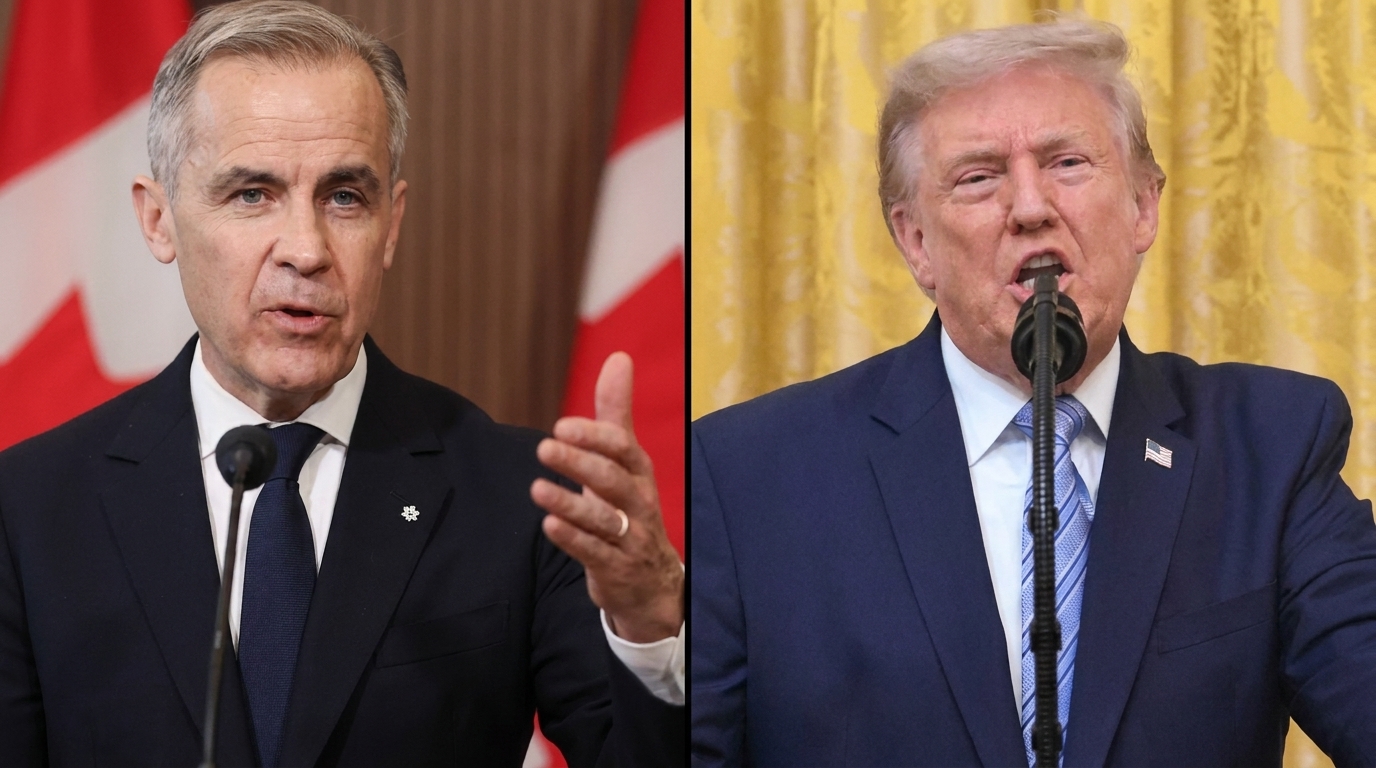
The Trump Canada tariffs arrive amid a notably frosty personal relationship between Trump and Canadian Prime Minister Mark Carney. Carney, a former central banker who campaigned on a promise to go “elbows up” in defending Canadian interests, has openly challenged Trump’s trade approach and worked to expand Canada’s trade relationships with other countries. Notably, the two leaders were seen sitting together watching Sunday’s World Cup final just one day before Trump signed off on the new tariffs, a juxtaposition that underscores how quickly the relationship has continued to sour even amid moments of surface-level cordiality.
The Economic Risks Involved
Economists and trade analysts warn the Trump Canada tariffs could carry real costs on both sides of the border. The move risks reigniting inflation at a moment when American consumers are already grappling with rising prices elsewhere in the economy, since many of the newly taxed goods, dairy, alcohol, and construction materials among them, feed directly into everyday household costs. For Canada, which sends roughly three-quarters of its total exports to the United States, another round of steep tariffs threatens further strain on an economy already dealing with the fallout from earlier disputes over steel, aluminum, and autos.
A Pattern of Escalating Threats
The current round of Trump Canada tariffs is the latest chapter in an escalation that has played out over more than a year. Trump previously threatened a 35% blanket tariff on Canadian goods last July, following earlier increases on steel and aluminum from 25% to 50% in March, a move made in response to an Ontario electricity export surcharge. Each round of tariffs has generally been followed by some form of Canadian retaliation or defensive policy shift, contributing to the deteriorating trade relationship that culminated in Monday’s announcement.
Canada’s Options Going Forward
With the new Trump Canada tariffs set to take effect in 30 days, Canadian officials now face a familiar choice between retaliation, negotiation, or some combination of both. Carney’s government has previously emphasized investing in areas like border security and diversifying trade partnerships away from reliance on the U.S., strategies that could shape how Ottawa responds this time as well. Given how often previous escalations have led to further countermeasures rather than resolution, there’s little indication this round will be the last.
What Happens Next
The Trump Canada tariffs are scheduled to take effect 30 days after Monday’s signing, giving both governments a narrow window to potentially negotiate before the new duties kick in. Whether that window produces any kind of de-escalation, or simply becomes the next flashpoint in an ongoing trade war, will likely depend heavily on how Carney’s government chooses to respond and whether either side is willing to make concessions after more than a year of steadily rising tensions.
Sources: npr.org, nbcnews.com, abcnews.com, aljazeera.com