Trump iran deal signed but congress hits back across party lines
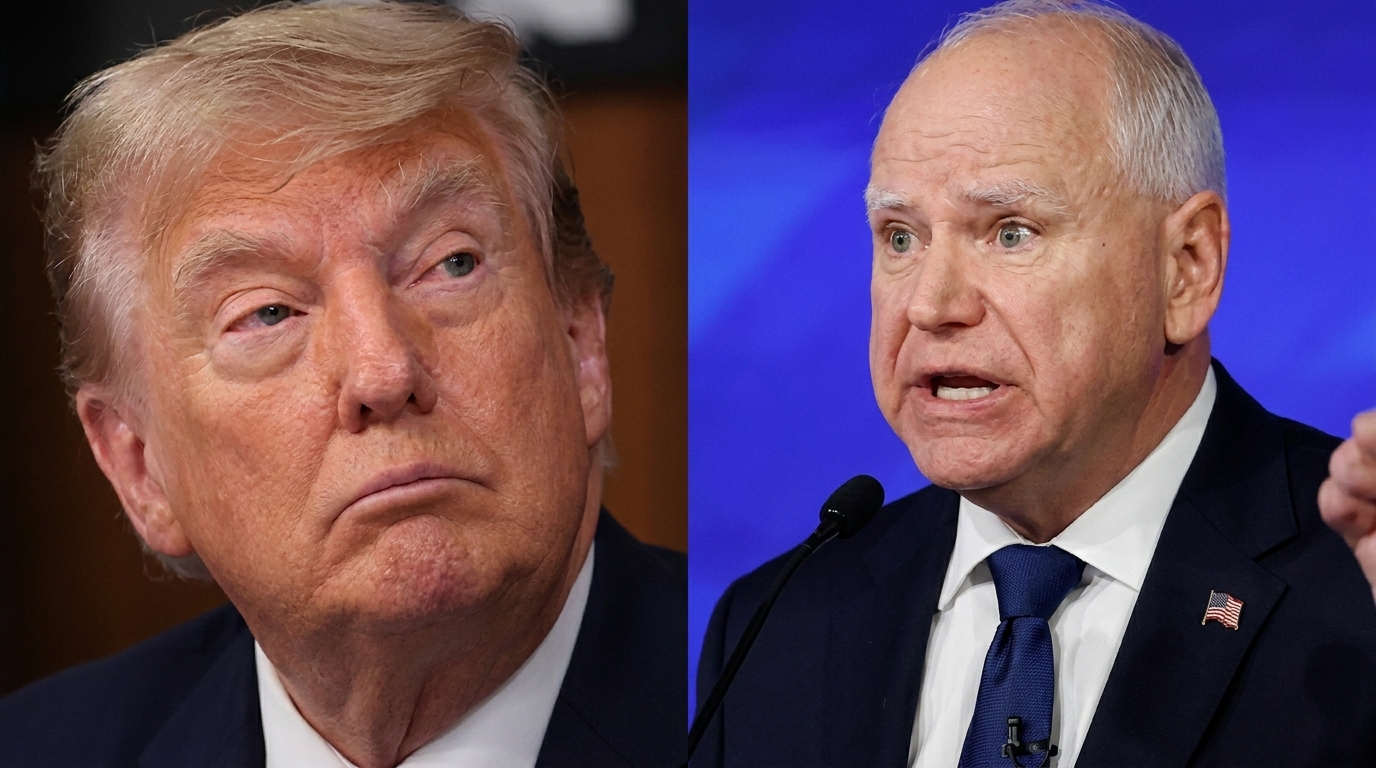
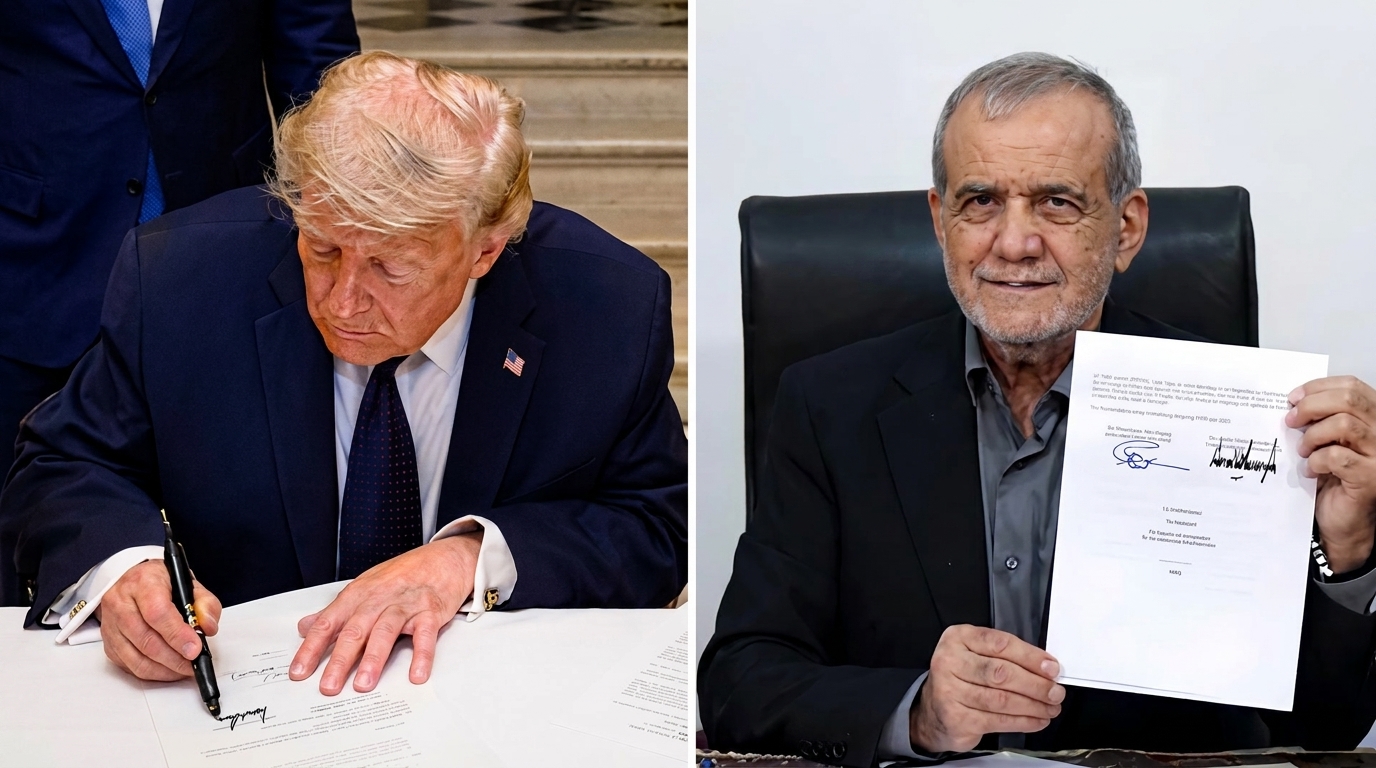
The trump iran deal is finally on paper, and the reaction inside washington has been anything but quiet. on june 17, president donald trump signed a 14-point memorandum of understanding with iran during a dinner with french president emmanuel macron at versailles, capping off his trip to the g7 summit in france. the framework is meant to end a war that started in february and reopen the strait of hormuz. but within hours, senators from both parties were calling it a mistake. some used much stronger words than that.
What makes this story unusual is who is angry. it is not just the usual opposition. republicans who normally back the president are openly breaking with him. that combination is why this is the biggest political fight in washington right now, and why nobody can quite agree on whether trump just ended a war or gave away the leverage that could have won it.
What the trump iran deal actually says
The memorandum was signed electronically by trump, vice president jd vance, and iranian parliament speaker mohammad bagher ghalibaf. a formal signing is scheduled for friday in switzerland. so the document people are fighting over is real, even if the final ceremony has not happened yet.
The core terms are straightforward, and that is part of the problem for critics. the united states agrees to end its naval blockade of the strait of hormuz within 30 days. it issues immediate waivers for iranian oil exports until the sanctions blocking them are formally terminated. the memorandum also commits washington to “terminate all types of sanctions against the islamic republic of iran.” in return, iran reopens the strait and enters a 60-day window to negotiate over its nuclear program.
Then there is the money. under the deal, iran would receive a $300 billion reconstruction fund. trump has said repeatedly that this cash comes from private investors, not from american taxpayers. that distinction matters to the white house. it has not calmed many lawmakers, who worry about where the funds end up regardless of the source.
Senior officials are framing the agreement as a clean win. vance has called it a win-win for the united states. trump has been blunt about enforcement, warning that the country will “bomb the hell out of them” if iran does not honor the terms, and promising “ultimate consequences” for any violation. supporters point to one simple fact: the shooting may stop, and the strait may reopen, which would ease pressure on global oil prices.
Why republicans are breaking with trump
Here is the angle most people are missing. the loudest criticism of the trump iran deal is coming from the president’s own party.
Senate armed services chairman roger wicker said the agreement “negotiates away the victories” of the military operation that preceded it. that is a sitting republican committee chairman saying the deal threw away what the war won. senator bill cassidy of louisiana went further, posting online that it is “The worst foreign policy blunder in decades.” cassidy argued that iran’s nuclear ambitions were not curbed and that tehran learned threatening the strait works.
Senator ted cruz of texas, normally a reliable trump ally, told reporters the president is getting “some really bad advice on this deal.” cruz zeroed in on the reconstruction fund with a warning that money sent to iran could come back to hurt americans. senator thom tillis of north carolina called the agreement “doomed to fail,” pointing to the lack of congressional oversight. senator james lankford put the same concern in plain terms: if you want a deal to last, it cannot be an executive agreement. senator lindsey graham, often close to the president, said the memorandum as described “sounds awful.”
The common thread is leverage. several republicans believe the united states gave up its strongest card by agreeing to end the blockade and reopen the strait before securing firm nuclear limits. senator chris murphy, a connecticut democrat, summed up that worry from the other side of the aisle, saying iran will soon sell oil freely while the strait stays under its control. he called it a “national embarrassment,” even as he admitted it might be the price of ending the war.
Democrats pounce as a polling problem builds
Democrats have been united in their opposition, and they are using the numbers in the memorandum against the president. senate minority leader chuck schumer said that looking at the 14 points, “it looks like iran has won on just about every one of them.” that is the line democrats are repeating, and it lands harder because some republicans are nodding along.
There is also a process complaint that crosses party lines. for days, lawmakers said they had not seen the full text and were being asked to trust the administration’s summary. senate majority leader john thune said he was waiting on briefings and would not judge the deal until he read it. senator chuck grassley, the senate’s most senior republican, said he would not comment until friday and added that a briefing would be nice. this matters because earlier in june, a bipartisan majority in the republican-led house passed a war powers resolution directing trump to end hostilities with iran. four republican senators had already voted to advance a similar measure. the appetite to end the war was real, but so is the unease about the terms.
All of this is landing at a rough moment for the president politically. a new npr/pbs news/marist poll, conducted june 8 to 11 among 1,340 adults with a margin of error of 3 points, put trump’s overall approval at 36 percent, with 59 percent disapproving. that is the widest gap of either of his terms. on the economy, just 33 percent approve, the lowest figure marist has recorded since it began asking the question in 2019. worth noting: that survey was taken before the memorandum’s details came out, so it does not yet capture how voters feel about the trump iran deal itself.
What happens next in washington
The immediate question is whether congress gets a vote at all. when asked whether he would send the final deal to lawmakers, trump first said he had never thought about it, then warmed to the idea and Said he would. that leaves the door open, but nothing is scheduled. if the agreement stays an executive action, the oversight fight that tillis and lankford raised will only grow louder.
The friday signing in switzerland is the next hard date to watch. after that, the 30-day clock on the blockade and the 60-day nuclear negotiation window start to matter more than the speeches. if oil prices fall and the strait stays open without incident, the white house will argue the critics were wrong. if iran drags out the nuclear talks or pushes its advantage, the republicans warning about lost leverage will say they told everyone so.
The economic stakes are easy to overlook in the political noise, but they are real. the strait of hormuz carries a large share of the world’s seaborne oil, and the blockade kept tankers idled for months. jet fuel and gas prices climbed through the spring, and analysts have warned that higher costs for gas, groceries, and flights could outlast the war itself. reopening the route is the single clearest economic argument the administration has, and it is the part of the agreement that allies seized on. macron called it a “very good deal,” and other g7 leaders signed a joint statement praising trump, citing the instability the conflict had caused for their own economies. that foreign praise sits oddly next to the criticism at home, and both sides are using it to make opposite points.
For now, the picture is split in a way that is rare in american politics. the president signed an agreement that european allies praised at the g7, and that many americans say they wanted because they were tired of the war. yet at home, his own party is some of his harshest opposition, and the numbers in the memorandum are giving critics on both sides an easy script.
Trump iran deal the bottom line
The trump iran deal is a genuine turning point, not a finished story. the war may be ending, the strait may reopen, and global oil markets may finally exhale. but the terms the $300 billion fund, the sanctions relief, the timeline that front-loads american concessions have produced something washington almost never sees: republicans and democrats angry about the same thing at the same time.
Whether this becomes the diplomatic win trump describes or the strategic mistake cassidy and cruz fear will come down to what iran does over the next two months, and whether congress forces its way into the process. those answers are not in yet.