A fresh wave of utility rate hikes is heading toward tens of millions of households across the country, according to a new report from the consumer advocacy group PowerLines. Electric and gas utilities requested $9.2 billion in utility rate hikes during the second quarter of 2026 alone, a 26% jump from the same period last year, bringing the total for the first half of the year to $18.6 billion. Combined, these utility rate hikes could affect more than 56 million customer accounts nationwide.
Why Utility Rate Hikes Keep Climbing
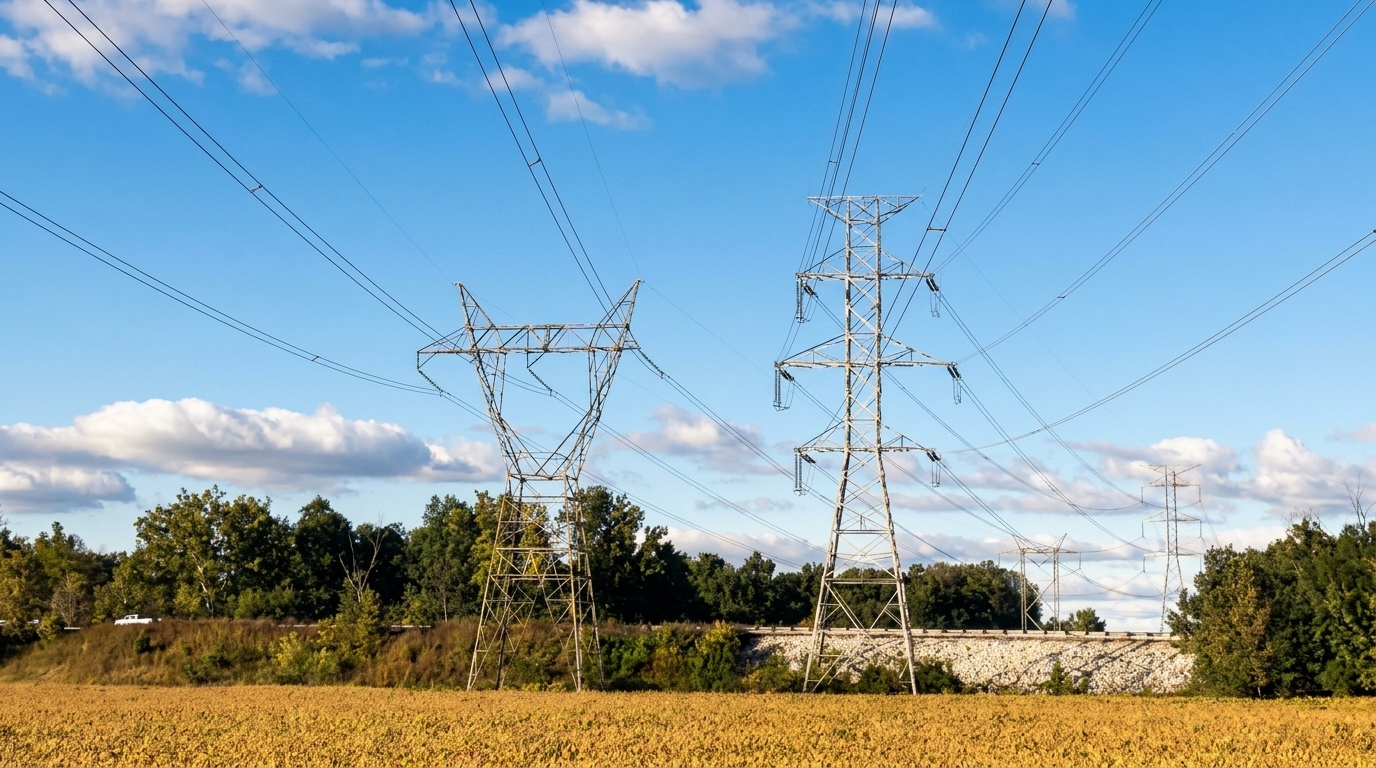
PowerLines says three main forces are driving the surge in utility rate hikes: extreme weather damaging infrastructure, an aging electric grid that needs replacing, and fuel prices that continue to swing. Tremaine Phillips, a former Michigan utility commissioner now advising PowerLines, said stronger storms and wildfires are pushing utilities to invest heavily in more resilient equipment, while decades-old poles and wires are reaching the end of their working life at the same time. That combination is why utility rate hikes have been accelerating year after year, not just in a single region but across nearly every part of the country.
Which States Are Seeing the Biggest Utility Rate Hikes
Southern states accounted for the largest share of second-quarter utility rate hikes, with $4.5 billion in requests spread across more than 26 million customers from Virginia to Texas. Oncor in Texas filed the single largest request of the quarter, asking for $1.2 billion tied to a five-year, $45 billion investment plan meant to keep up with demand from oil and gas operations and data centers in the Permian Basin. Dominion Energy in Virginia requested $1.5 billion across three separate filings, much of it to recover fuel costs. In the Midwest, utility rate hikes totaled $2.7 billion across 14 million customers, with DTE Energy and Consumers Energy in Michigan each seeking close to $500 million. Western customers face roughly $1.5 billion in proposed utility rate hikes as well.
Data Centers Are Adding Pressure
A growing share of these utility rate hikes is tied to the boom in data centers and industrial demand rather than typical household usage. Oncor’s Texas request, for example, points directly to data center growth in the Permian Basin as a reason for new transmission and distribution spending. Regulators and consumer advocates have raised concerns that ordinary households could end up subsidizing infrastructure built primarily to serve large industrial customers, even as utility rate hikes get billed broadly across all ratepayer classes.
The Human Cost Behind the Numbers
The timing of these utility rate hikes is especially painful given how many households are already behind. According to the National Energy Assistance Directors Association, one in six American households is currently behind on utility bills. U.S. residential electric rates already climbed 7.3% year over year, reaching 18.8 cents per kilowatt-hour in April, according to federal energy data. Public frustration over utility rate hikes has spilled into visible protests, including demonstrations outside state regulatory hearings in Nevada earlier this summer, where residents pushed back against rising bills tied in part to data center growth.
How Regulators Are Responding
State utility commissions have the final say on whether utility rate hikes are approved, reduced, or rejected, and PowerLines notes that regulators rarely reject requests outright. Of 83 rate requests analyzed in 2025, only two were formally denied, though roughly half remained pending at the start of this year. Some states are responding to public pressure with targeted relief. Maryland’s General Assembly, for instance, passed a measure this year aimed at lowering typical utility bills by about $150 annually. Even so, PowerLines concluded that regulators face mounting pressure to scrutinize utility spending plans while still allowing the investment a modernizing grid genuinely needs, meaning further utility rate hikes are likely on the horizon.
What This Means for Your Bill
If you live in one of the affected service areas, these utility rate hikes may not show up on your bill immediately, since most requests take months to work through state regulatory review. But with $18.6 billion already requested this year on top of a record $31 billion in 2025, the pattern suggests utility rate hikes are becoming a routine, ongoing feature of household budgets rather than a one-time event. Checking with your state’s public utility commission website is the most reliable way to see whether a request affecting your provider is currently under review.
Sources: cnn.com, cbsnews.com, npr.org, foxnews.com