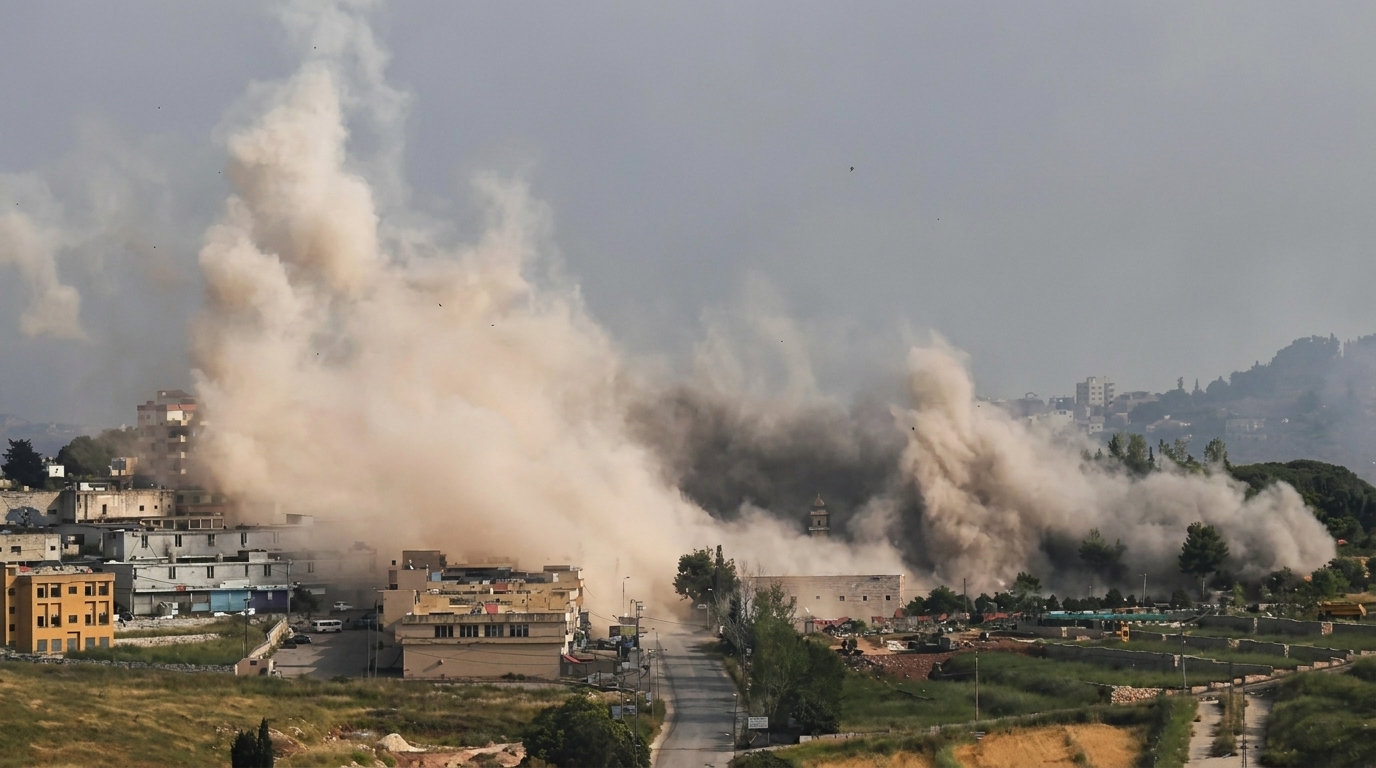
The Iran ceasefire violation of May 28, 2026 may have just pushed the United States and Iran to the edge of full-scale war all over again and most people woke up this morning with no idea how close things got overnight.
Here is what actually happened while you were sleeping.
The Iran Ceasefire Violation That Shocked the Region: What Happened Overnight
At 10:17 PM Eastern Time on May 27, Iran launched a ballistic missile toward Kuwait. Kuwaiti air defenses intercepted it. Within hours, the US military went public with a statement that should be making front-page news everywhere: it called the attack an “egregious ceasefire violation” the strongest language Washington has used since the ceasefire was announced last month.
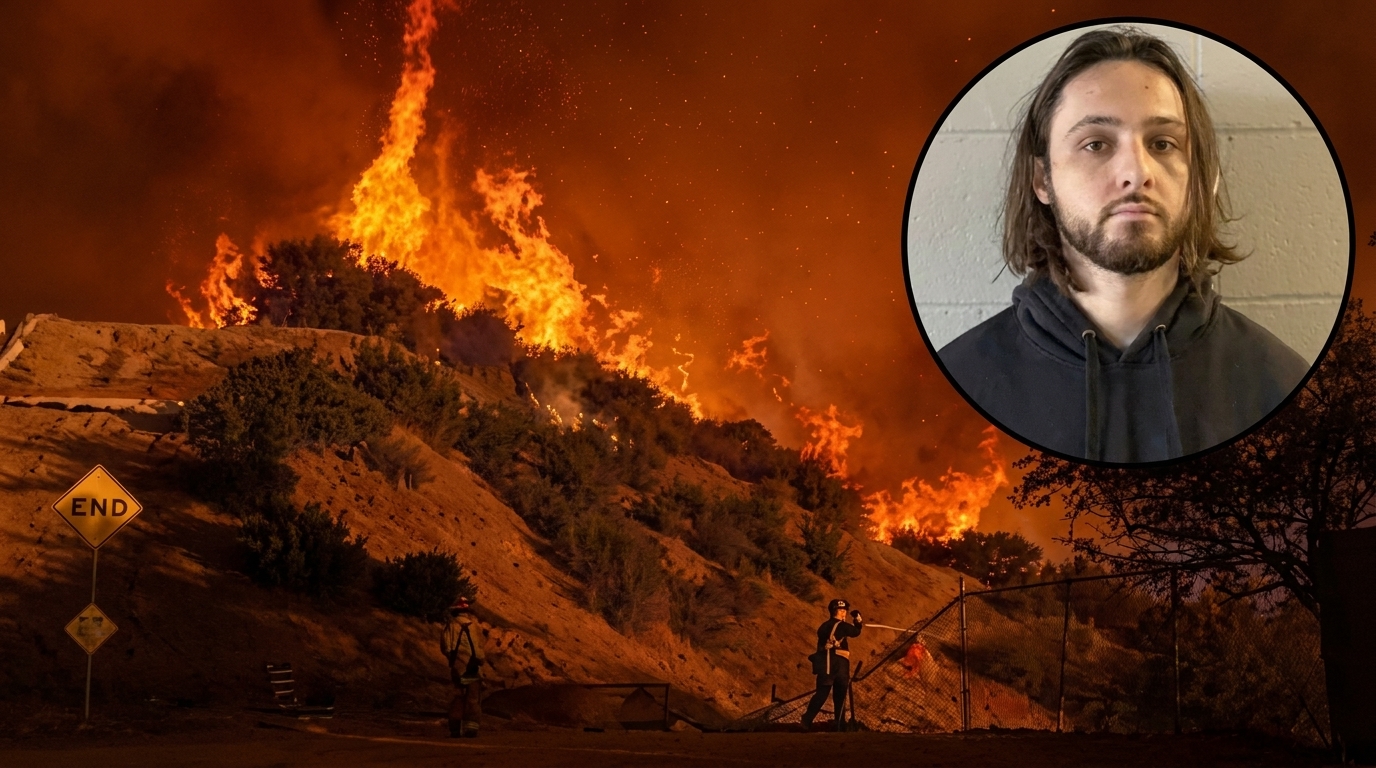
This didn’t come out of nowhere. Earlier the same day, US Central Command confirmed it had conducted its own strikes in Iran, targeting Iranian drones and a ground control station near Bandar Abbas International Airport that was preparing to launch a fifth drone toward the Strait of Hormuz. All four previously launched drones were intercepted. Iran’s Islamic Revolutionary Guard Corps then acknowledged the Bandar Abbas strike and claimed it had fired back at a US air base the same base it says launched the attack.
Both sides are now trading blows and each one is calling the other the aggressor. This is what a ceasefire falling apart looks like in real time.
Understanding the Iran Ceasefire Violation: 90 Days of War That Most Americans Aren’t Tracking
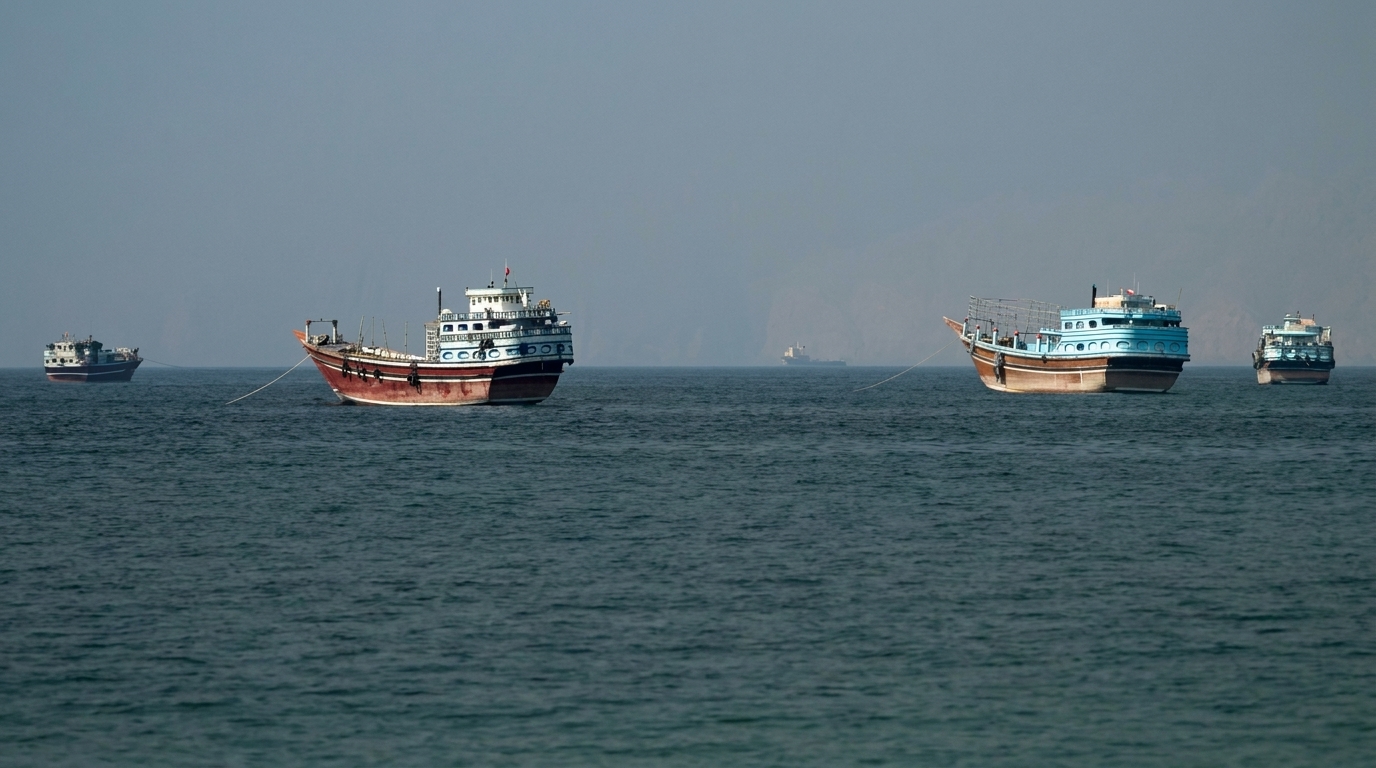
For context, the Iran ceasefire violation happening today is Day 90 of a conflict that began on February 28, 2026, when the United States and Israel launched coordinated strikes on Iranian military infrastructure. President Trump confirmed “major combat operations” at the time. Iran retaliated with waves of missiles and drones targeting US bases across Kuwait, UAE, Bahrain, and Qatar. The Strait of Hormuz through which roughly one-fifth of all globally traded oil and natural gas once flowed was effectively shut down.
A fragile ceasefire was announced last month. Initial peace talks in Pakistan failed. Trump then declared an open-ended extension of the ceasefire and continued a US naval blockade while negotiations dragged on. As recently as Monday this week, Trump posted on Truth Social that talks were “proceeding nicely.” By Thursday morning, his administration was calling Iran’s actions an egregious ceasefire violation and vowing to defend allied partners.
These two things cannot both be true at the same time. Something broke down fast.
Why the Iran Ceasefire Violation Matters More Than Yesterday’s News Cycle
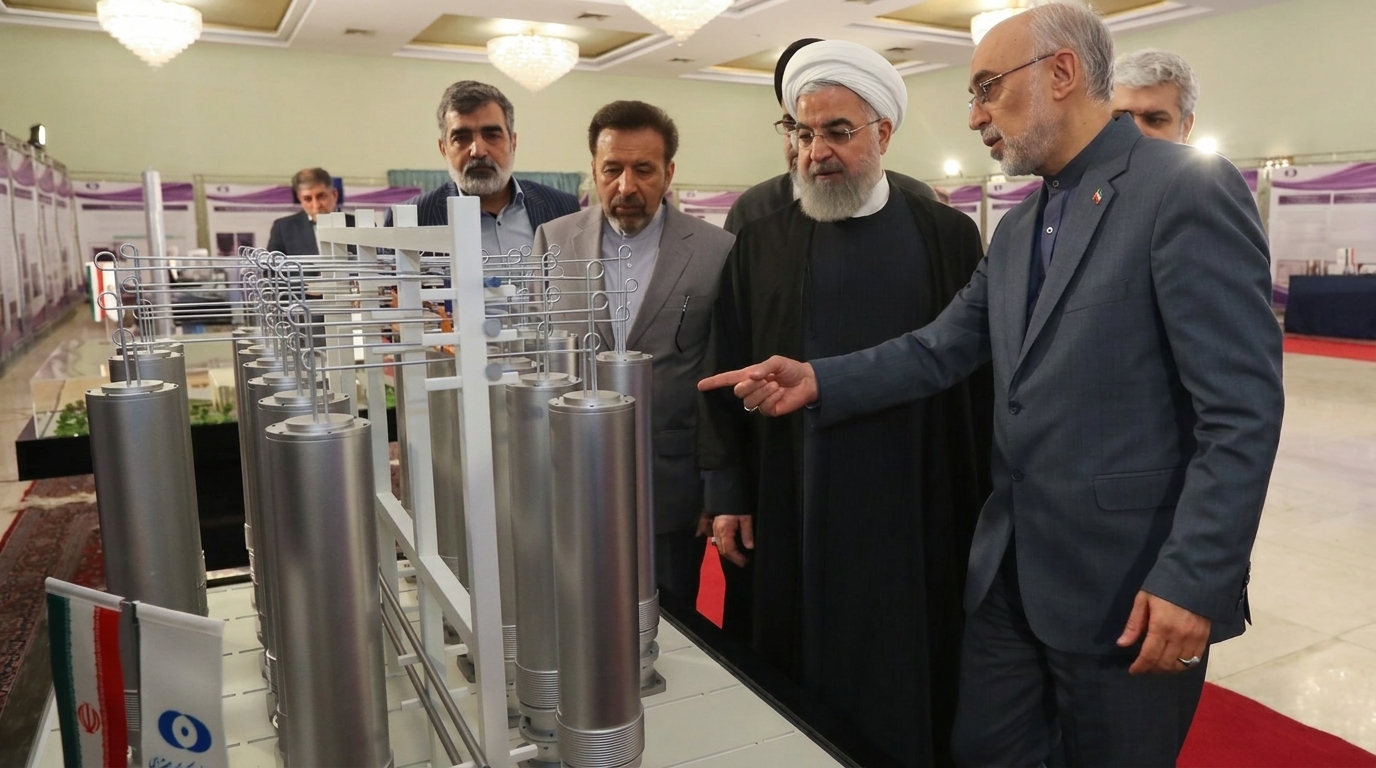
The Strait of Hormuz is not just a geographic choke point. About 20 percent of all oil traded globally, plus massive volumes of liquefied natural gas, passes through that narrow waterway. The blockade that has been in place since the war began has already been squeezing global energy markets for three months. Iran releasing a draft peace deal earlier this week one that would reopen the strait in exchange for lifting the US blockade briefly sent oil prices dropping on hope of resolution. The US then called that document “a complete fabrication.” Prices reversed.
Now Iran has fired a ballistic missile at Kuwait home to US Army Central’s forward headquarters, multiple air bases, and a naval installation. This is not a test. This is a country that has already demonstrated it will hit US allies in the Gulf when it feels provoked, and it is feeling provoked right now.
What Trump Said And What He Didn’t Say
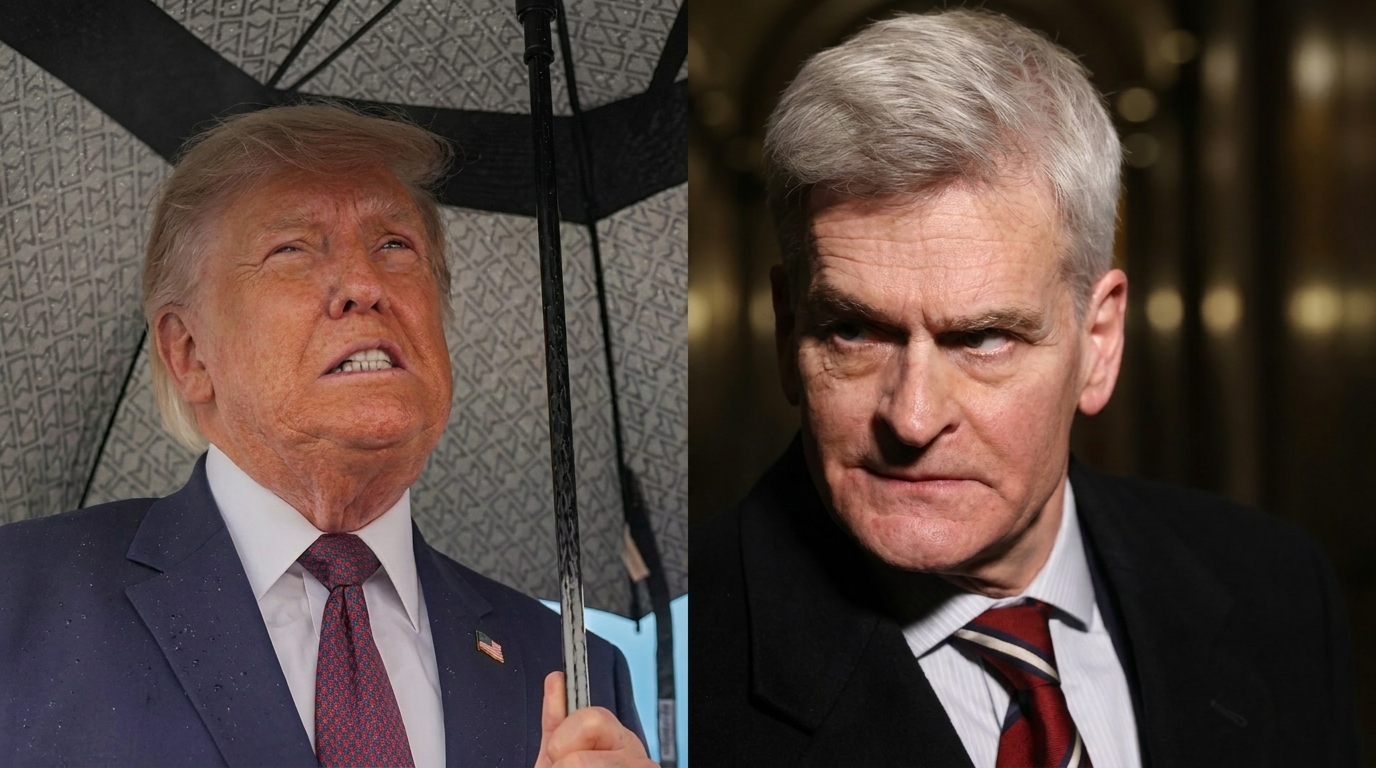
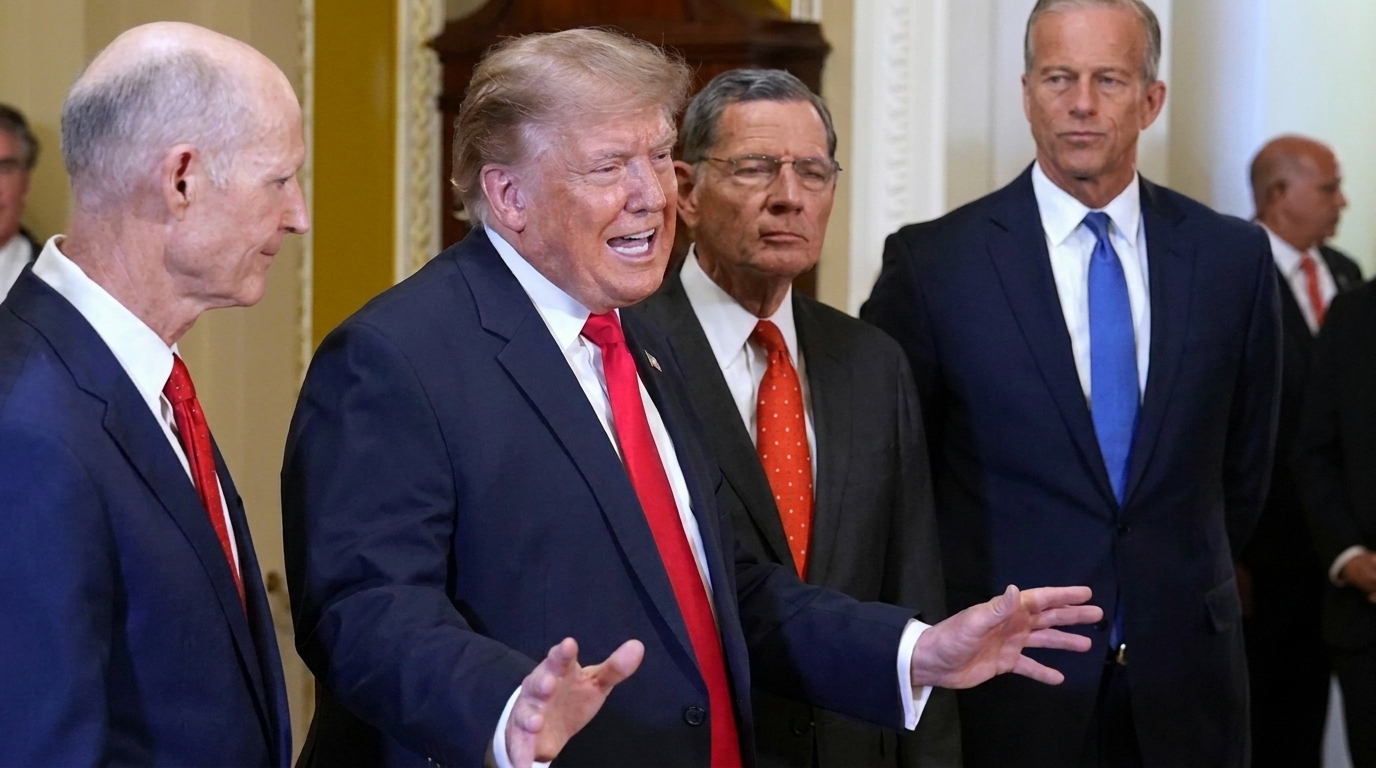
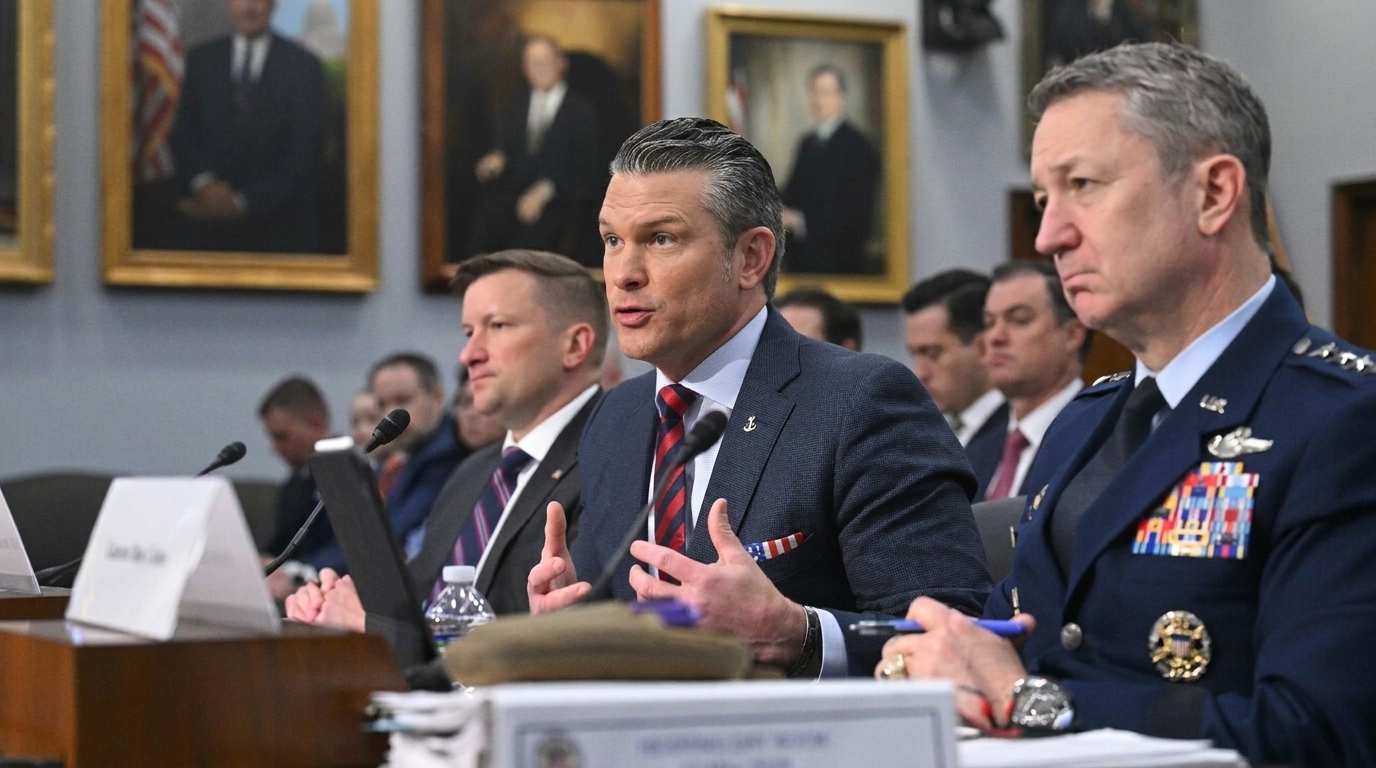
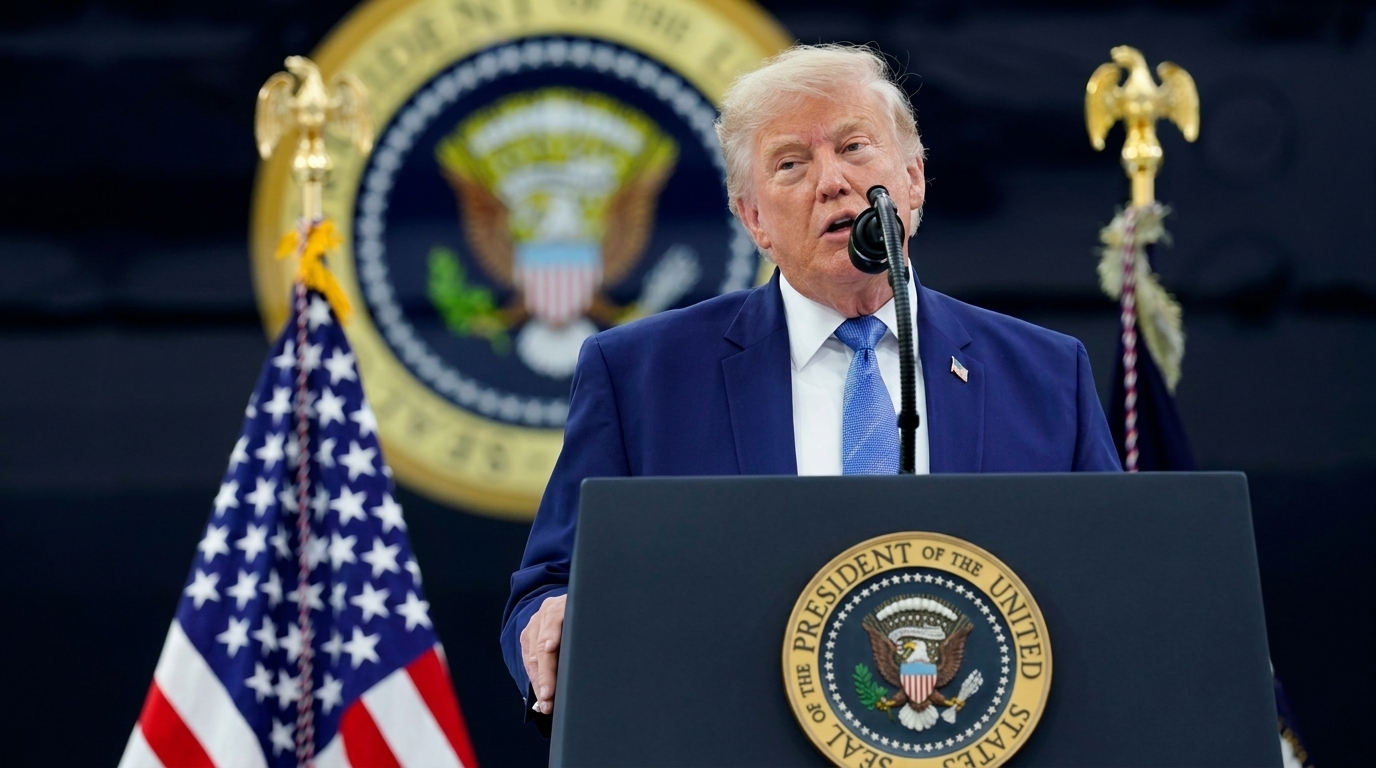
The timing of the Iran ceasefire violation matters enormously. Hours before US forces struck Iranian drones near Bandar Abbas, Trump told reporters he was “not satisfied” with the terms of any proposed deal. He also said Iran’s efforts to outlast him wouldn’t work because he doesn’t “care about the midterms.” That is a president signaling he has no political pressure to rush toward peace. For Iran, that kind of language from the US side is not a calming signal it is provocation.
Trump’s Truth Social “proceeding nicely” post is now sitting directly next to CENTCOM calling Iran’s actions an “egregious ceasefire violation.” Someone in this story is not telling the full truth about where these negotiations actually stand.
The Iran Ceasefire Violation and What It Means for the Strait of Hormuz
Here is the part the financial press is watching closely. If the ceasefire collapses entirely, the Strait of Hormuz does not reopen. It may close further. The roughly 20 million barrels of oil per day that once transited this route are already being rerouted or delayed. A full breakdown of the ceasefire triggered by the current Iran ceasefire violation escalation would hit global energy prices in ways that ripple far beyond the Middle East.
Saudi Arabia and the other Gulf Cooperation Council states are watching this carefully. Kuwait being hit by a ballistic missile while under a supposed ceasefire sends a message to every US ally in the region: the protection being offered is not guaranteed.
A History of Violations: This Is Not the First Time
The Iran ceasefire violation of May 28 is not an isolated incident. Over the past month, the US has intercepted and struck Iranian vessels in regional waters as part of an ongoing blockade. Iran has continued drone launches and missile tests near the Strait. The pattern has been escalating slowly for weeks. What changed overnight is the targeting of Kuwait directly a NATO-adjacent partner with thousands of US troops on its soil. That is a different category of action than drones over open water.
What Happens Next
US Central Command has said it remains “vigilant and measured” language designed to signal that Washington is not rushing toward escalation while also making clear it will not absorb attacks without response. Trump’s team is walking a line between keeping deal talks alive and not looking weak in front of a domestic audience that was told major combat operations were won months ago.
Iran’s Revolutionary Guard, meanwhile, has explicitly warned that any further US “aggression” will be met with “more decisive” action. That is not the language of a side that feels the ceasefire is holding.
I’ve put together a detailed breakdown of what the Iran ceasefire violation means for the Strait of Hormuz, US troop positions in Kuwait, and what the next 72 hours of negotiations are likely to look like based on the current signals from both sides.