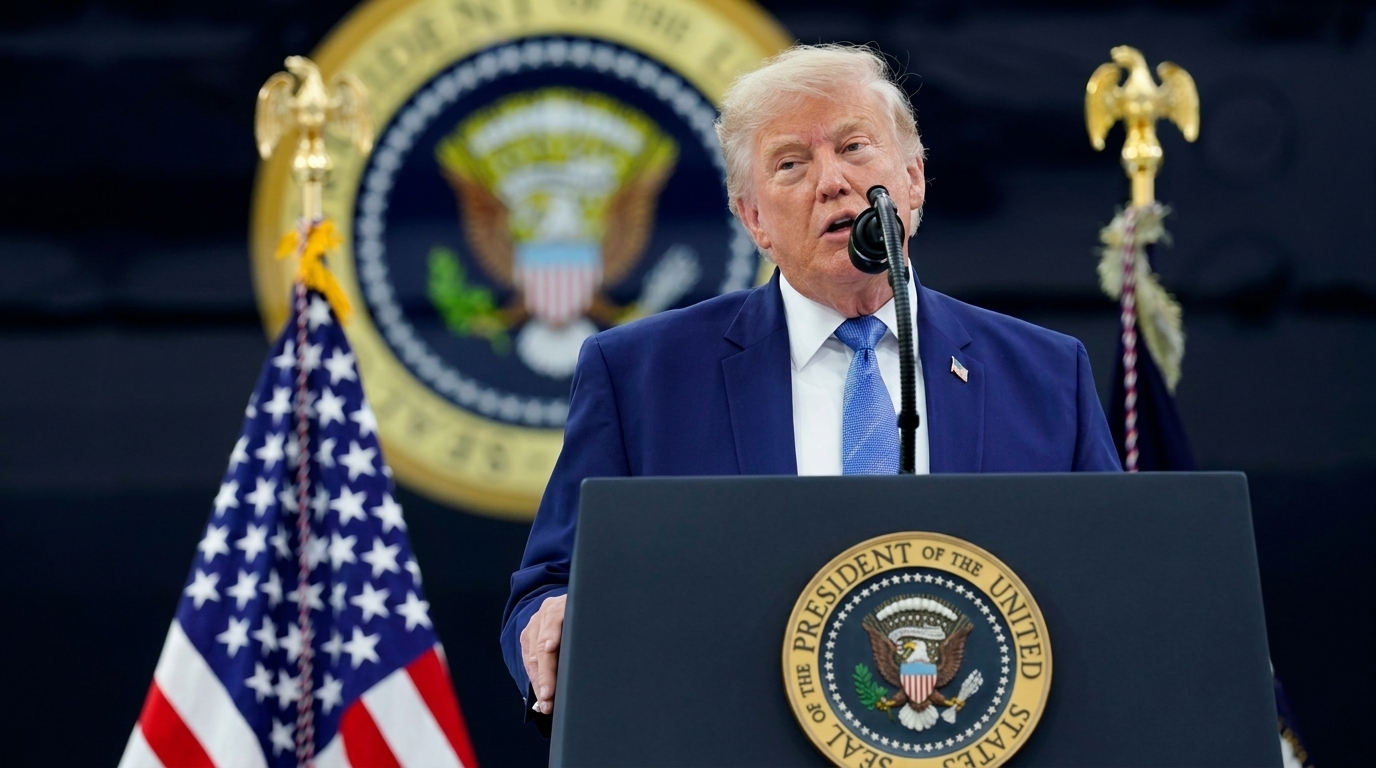
Trump’s number 22 obsession: 7 strange claims and one real motive
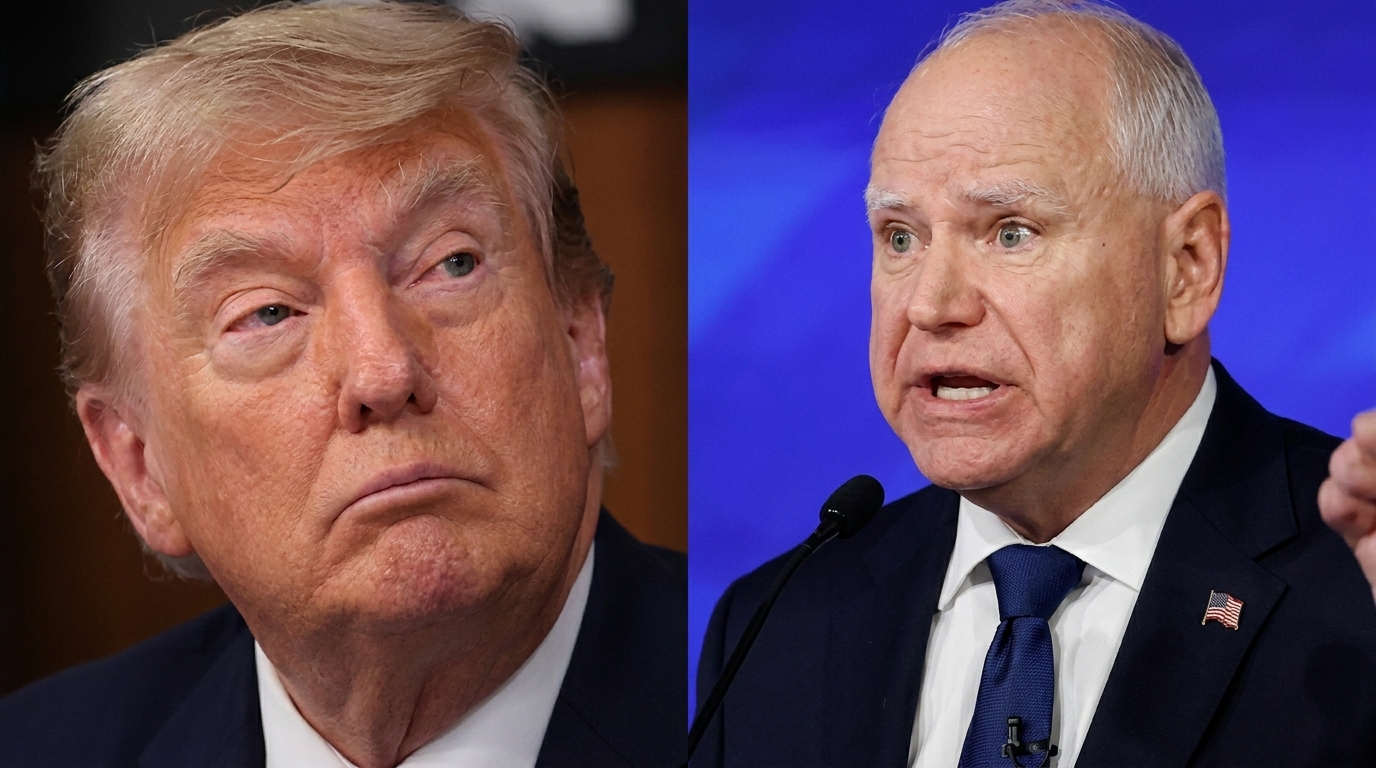
Something odd has been happening every time President Donald Trump steps up to a microphone. He keeps landing on the same number. Not 10. Not 100. Twenty-two. Over the past several weeks, Trump’s number 22 obsession has shown up in speeches, Truth Social posts, and off-the-cuff remarks, often attached to claims that turn out to be wrong. It started as a quirk reporters noticed. Now it is a full-blown talking point, and even the White House cannot explain it.
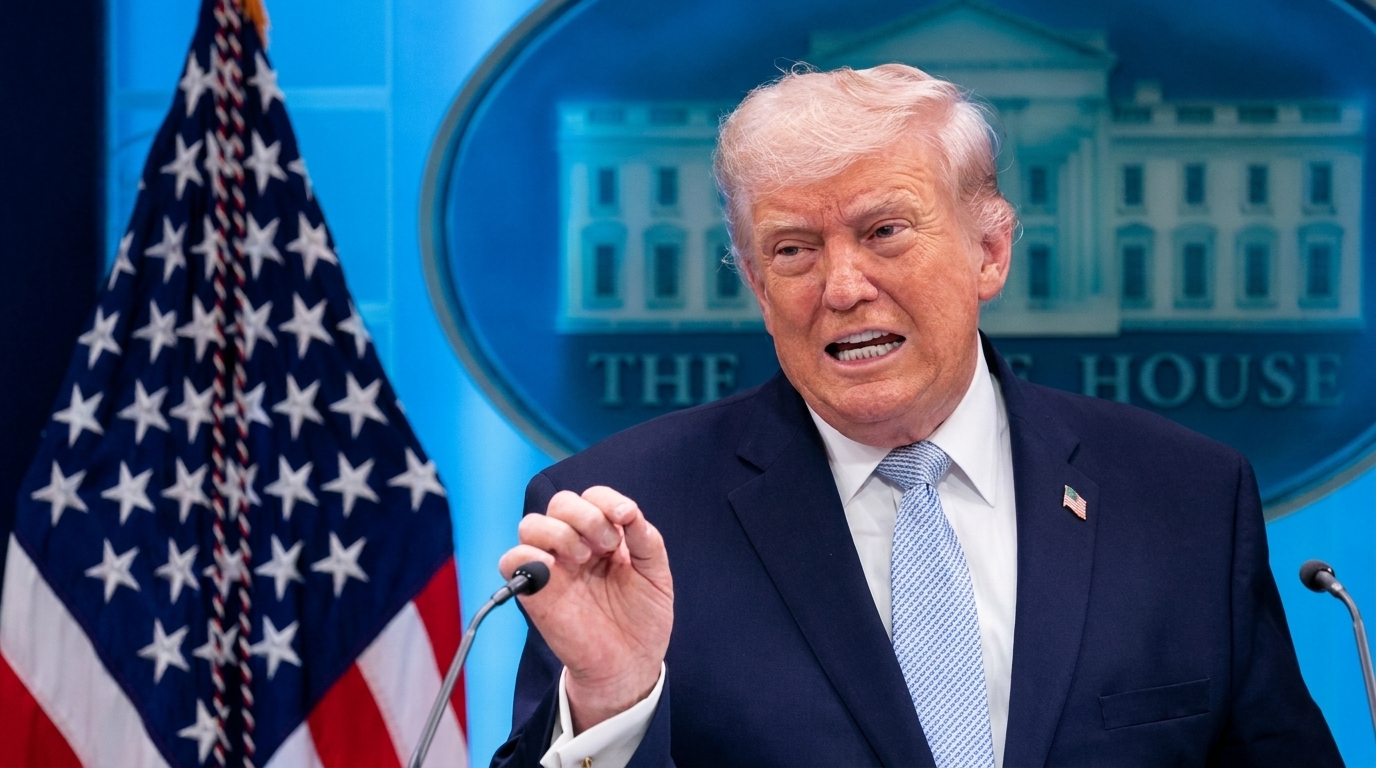
The pattern was first laid out by NBC News reporters Monica Alba and Caroline Kenny, who noted on Sunday that the 80-year-old president, who is both the 45th and 47th president, seems strangely attached to the figure. A White House official, asked directly, could not say why. That gap between how often Trump says it and how little anyone can explain it is exactly what has people talking.
What Trump actually keeps saying
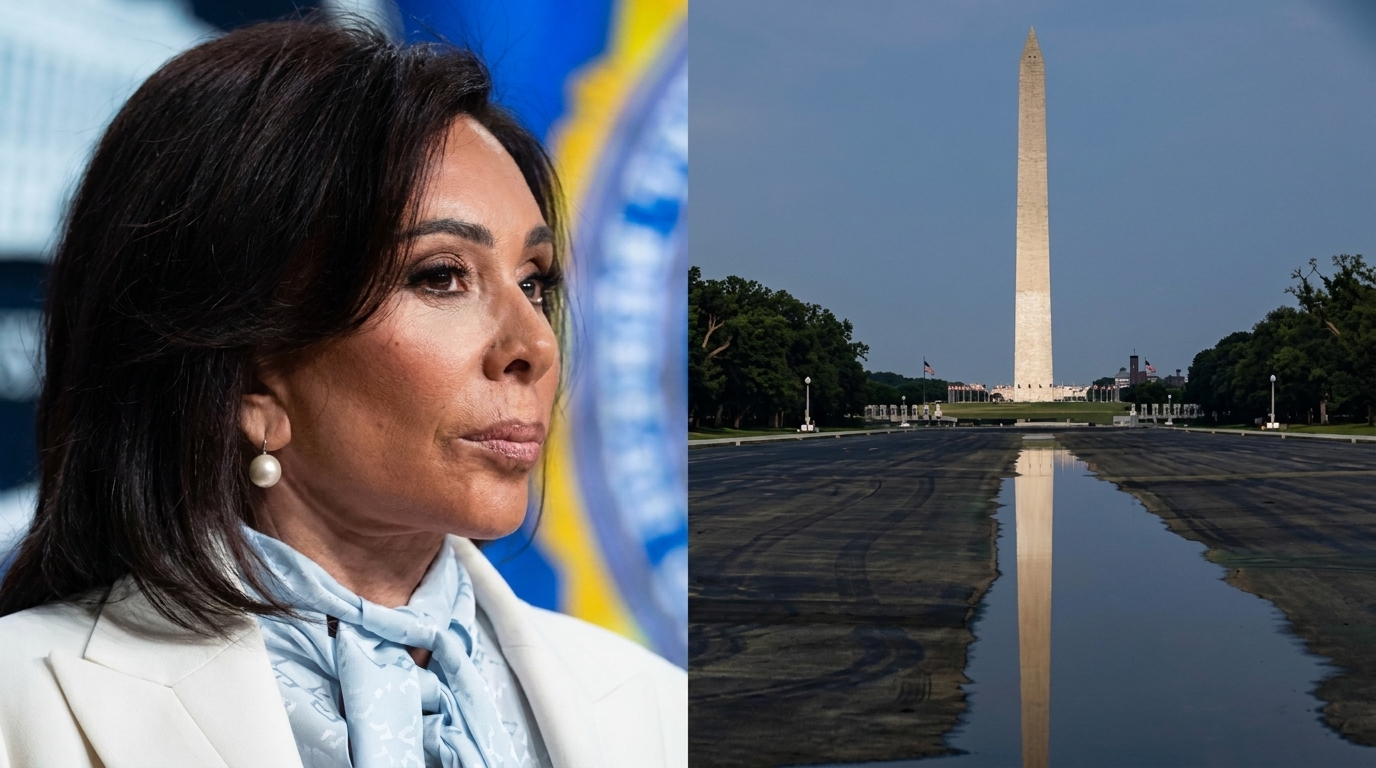
Let’s start with the receipts, because the list is genuinely strange once you see it together. Trump claimed Washington, D.C. has 22 fountains. The city actually has 18. He said he proved 22 Nobel Prize-winning economists wrong on the economy. He told audiences the U.S. military destroyed 22 Iranian ships, describing them in March by saying, “all 22, are gone.” At the G7 summit in France, he put it another way: “Two days ago, three days ago, a month ago, we took out 22 ships.”
The pattern does not stop at policy. Trump has talked about a swimming pool he built 22 years ago. He said he met with 22 medical specialists during a recent examination at Walter Reed. He complained that a possible trip to Asia would take 22 hours of flying. He even criticized The New York Times for putting a prescription drug story on page 22.
Then there are the more pointed examples. In January, speaking to a crowd in Iowa about the strike on Iran, Trump said, “People have been waiting for 22 years to do that.” At a Hanukkah reception in December, he said U.S. pilots told him they had been “practicing for 22 years.” On Sunday, he posted on Truth Social about violence in Chicago, writing that 22 people were shot. And on Friday night, he wrote that his administration had beautified “45 Monuments and Memorials, 28 Statues, and 22 Fountains” in Washington.
That last post is where the fountains math falls apart, since the real count is 18. The repetition is the story. The same number, over and over, attached to wildly different subjects.
The number 22 obsession and the third-term question
Here is the part that turns a funny quirk into something with real stakes. The most concrete version of Trump’s fixation involves the 22nd Amendment, which limits presidents to two elected terms. Trump has repeatedly floated running again in 2028, despite that constitutional ban, and has suggested possible loopholes might exist.
Speaking at the Port of Corpus Christi in Texas, Trump asked his audience, “Should we do one more?” He went on to argue the 22nd Amendment should be repealed, repeating his false claim that the 2020 election was stolen and saying he is therefore entitled to another run. That is the one area where the number 22 obsession could carry direct policy weight. A constitutional amendment that happens to share his favorite number is also the exact barrier standing between him and a third term.
Some social media users have connected those dots, suggesting the constant references to 22 might be tied to his focus on the amendment that bears the same number. It is speculation, not proof. But it is the cleanest theory on offer, because it links the number to something Trump openly talks about wanting.
What the experts and skeptics actually think
So why 22? Honestly, nobody knows for certain, and the explanations split into a few camps. Presidents have long carried number superstitions. President Franklin Roosevelt famously feared the number 13 and refused to attend dinners with exactly 13 guests. By that measure, a president favoring a number is not new or alarming on its own.
The more mundane explanation is that Trump simply riffs. He reaches for a figure that sounds impressive and sticks with it in the moment, and accuracy is not the goal. Critics online have offered harsher readings, with some pointing to the inaccurate claims as a sign of slipping sharpness. It is worth being careful here, because that is speculation from observers, not a medical finding, and no one examining the president has said any such thing publicly. The fairest summary is that the fixation is unexplained, and people are filling that silence with the theory that fits their existing view of Trump.
What makes the riffing theory more believable is history. This is not the first number Trump has latched onto. The Atlantic reported last year that he frequently reached for 92, claiming he won Wayne County, North Carolina by 92 percent when his actual margin was 16 points, and that the U.S. controls 92 percent of the Gulf of Mexico’s shoreline when the real share is closer to 46 percent. Back in 2019, Bloomberg noted he often reached for 10,000, the number of points he claimed the Dow would have gained if the Federal Reserve had not raised rates. He has also leaned on 93 at times.
Once the NBC report landed, the story took on a life of its own online. Users began compiling their own running lists of every “22” reference, and the Joseph Heller novel “Catch-22” became an easy punchline for people noting that the president seemed trapped in a loop of his own making. Search interest in the topic climbed as outlets from Yahoo to international papers like the Irish Star picked it up within a day. That speed is part of why this matters for anyone tracking trending news. A pattern that took weeks to build became a national talking point in roughly 48 hours, driven less by any single bombshell and more by the simple, shareable strangeness of watching the same number appear again and again.
In other words, this may be the newest chapter in a long habit of grabbing a single big-sounding figure and repeating it. The number changes. The pattern does not.
Why a number obsession even matters
A reasonable reader might ask why any of this deserves attention. It is just a number. The answer is that the references keep coming attached to false statements. Saying there are 22 fountains when there are 18 is small. Saying the military destroyed 22 ships, or that he disproved 22 Nobel laureates, lands in territory where facts actually matter, because those claims shape how people understand the Iran conflict and the economy.
There is also the logistics angle, which is almost comic. When a president keeps anchoring remarks to a specific number, his own staff has to either match the claim or quietly let the record stay wrong. Event planners and fact-checkers end up chasing a figure that has no clear source. The habit creates a small but real headache every time it appears in prepared remarks.
And then there is the third-term thread running underneath it all. If even part of the fixation traces back to the 22nd Amendment, then a stylistic tic becomes a window into the president’s ambitions. That is why a story that looks like a joke keeps getting serious coverage. The number is harmless. What it might be pointing at is not.
Number 22 obsession the bottom line
So where does this leave us? Trump’s number 22 obsession is real, it is well documented, and it is unexplained. He has used the number to describe fountains, ships, economists, medical specialists, flight times, swimming pools, and shooting victims, sometimes accurately and often not. The White House has not offered a reason. Reporters who track his speech patterns have simply logged the repetition and let readers draw conclusions.
The most grounded takeaway is this. The number itself probably means less than the habit behind it, a long-running tendency to seize one figure and repeat it until it sticks. The one place it could matter beyond rhetoric is the 22nd Amendment and the third-term talk that keeps circling it. Until Trump or his team explains the pattern, the number 22 obsession stays exactly what it looks like right now, a small mystery that says more about how the president talks than about any of the things he is counting.
Follow this blog for updates as the story develops and as fact-checkers keep tallying where the number shows up next.