the iran ceasefire is broken and both sides are pretending it isn’t
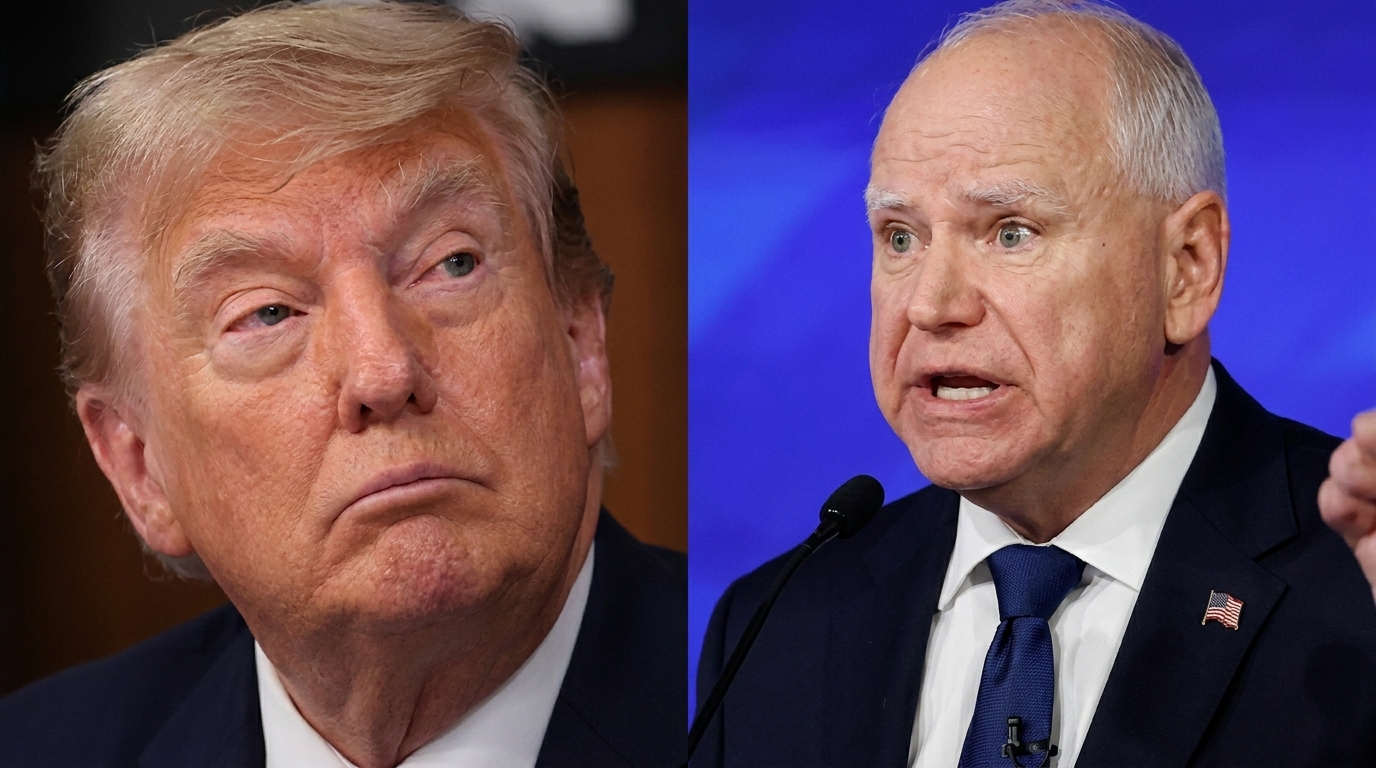
Ten days ago, President Donald Trump stood before cameras and called it one of the greatest diplomatic achievements in modern American history. The iran ceasefire, signed June 17 in a memorandum of understanding, was supposed to end months of war, reopen the Strait of Hormuz, and begin a 60-day negotiating period that would produce a permanent deal.
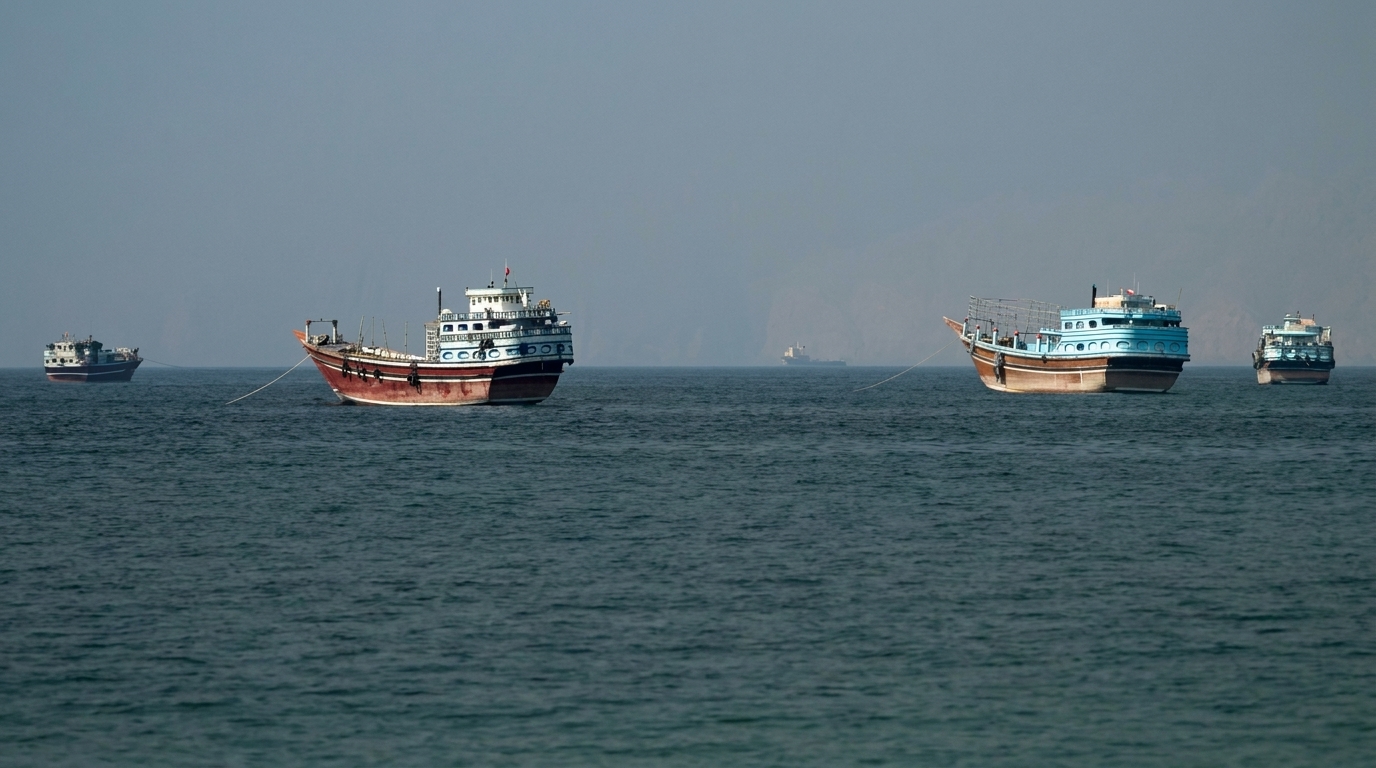
On Thursday, Iran’s Islamic Revolutionary Guard Corps fired four one-way attack drones at commercial vessels transiting the Strait of Hormuz. One of them hit a Singapore-flagged cargo ship and caused visible damage to its upper deck. The United Nations immediately suspended its operation to evacuate hundreds of trapped vessels from the region.
On Friday, the United States bombed Iran. Six aircraft. Four targets. Missile storage facilities, drone storage locations, and coastal radar sites.
The iran ceasefire is ten days old. And both governments are now arguing about whether it still exists.
what iran did and why it matters
The drone attack on Thursday was not random. It was deliberate, it was military in nature, and it happened while the United Nations was in the middle of a sensitive operation to move stranded ships out of the strait using an alternative route.
Iran’s Islamic Revolutionary Guard Corps struck the Singapore-flagged cargo vessel with at least one of four drones fired at ships in the Strait of Hormuz. The International Maritime Organization confirmed the attack and immediately halted its evacuation operation, which had been moving ships out through a southern route hugging Oman’s coastline. About 115 ships had successfully made it out in recent days. Approximately 500 remain stranded in the region.
Iran’s position on the attack is what makes the iran ceasefire situation so complicated. Ebrahim Azizi, who chairs the Iranian parliament’s national security commission, responded to Trump’s criticism on social media with a statement that has been widely read as a direct challenge: “The Strait of Hormuz is governed by Iran. Respect the rules. Do not mistake control for escalation.” He then wrote: “This is not a violation of the ceasefire. It is ceasefire management.”
That framing reveals the core dispute at the heart of the iran ceasefire agreement. Iran believes it has sovereign authority over the strait and can determine who uses which route. The United States and its allies believe the MOU guarantees free, toll-free passage through the southern route. Those two positions are fundamentally incompatible, and they were left unresolved when the deal was signed.
what the united states did in response
Trump’s reaction when asked by reporters whether Iran would face consequences was three words: “You’ll find out.”
A few hours later, the answer arrived. U.S. Central Command announced that American military forces struck Iranian targets in response to what it called “dangerous behavior” and an “unwarranted aggression against commercial shipping.” The strikes targeted missile and drone storage locations and coastal radar installations. A U.S. official confirmed to the Associated Press that the operations were complete within roughly an hour of being announced.
Vice President JD Vance, who has been one of the lead negotiators in the iran ceasefire process, posted a brief but pointed statement: “Iran signed a ceasefire agreement. We have honored it. If they have disagreements about how the MOU is being applied, they can pick up the phone. But violence will be met with violence.”
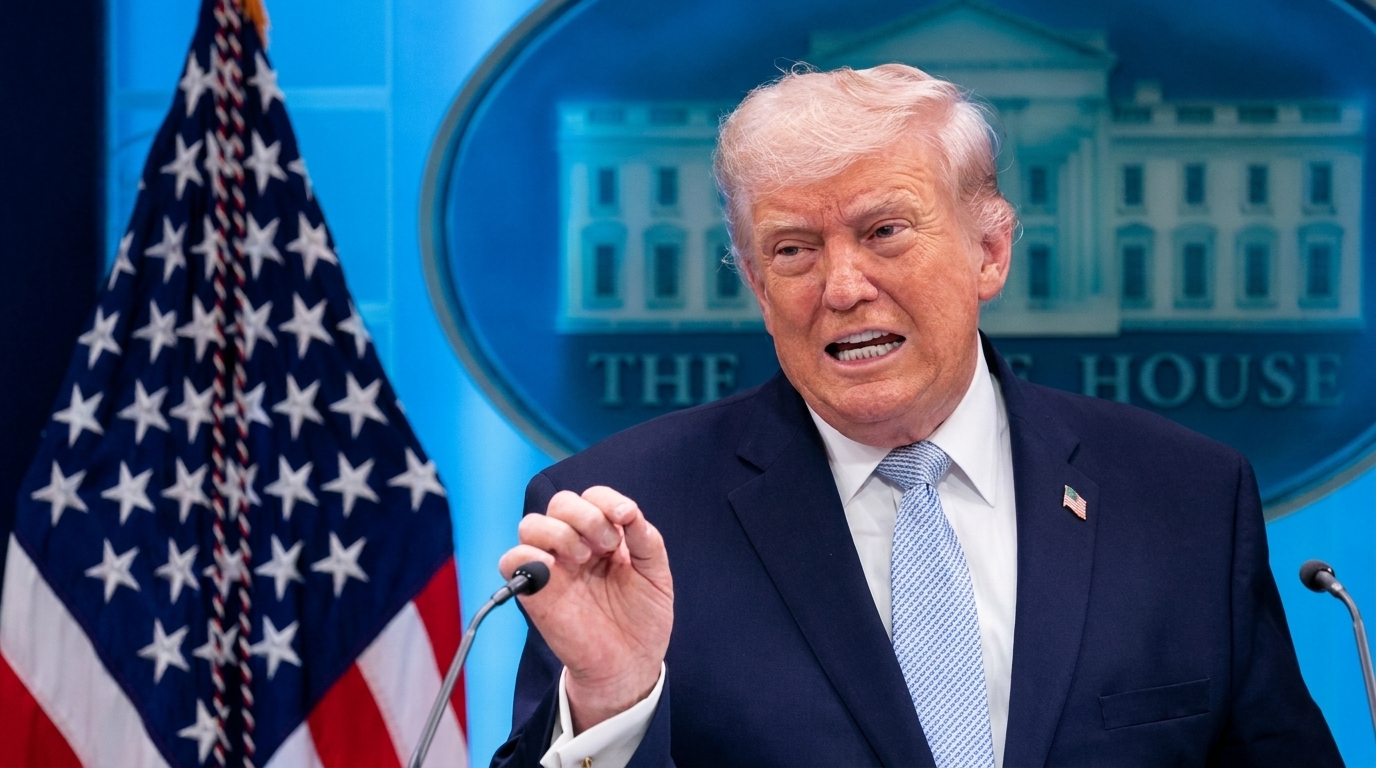
Trump, speaking at the White House before the strikes, was direct about his frustration. “I don’t like the fact that they took a shot yesterday, actually four of them,” he said. When asked how Iran, which he had described as talking well with the United States, could do such a thing, Trump said only: “They’re a little bit different.” Then he ended the questions and reporters were escorted out.
what was actually in the ceasefire and why this dispute was inevitable
The iran ceasefire memorandum of understanding was signed by Trump at Versailles during a dinner with French President Macron. Iran’s president signed a parallel version in Tehran. The two documents were never publicly released in identical form, and Iranian and American officials had already publicly disagreed about what they contained before Thursday’s drone attack.
The MOU says Iran must use “best efforts” to arrange safe, toll-free passage through the Strait of Hormuz for 60 days, during which formal negotiations over a permanent agreement are supposed to take place.
But Iran’s Persian Gulf Strait Authority had already issued a public warning days before the drone attack: “Any passage through routes outside the framework designated by PGSA will not be covered by safe passage guarantees and will not be entitled to insurance coverage.” Iran wants ships to use a northern route closer to its coast and to request permission before transiting. The United States wants ships to use the southern route near Oman freely and without Iranian approval.
The iran ceasefire agreement did not resolve this dispute. It deferred it.
what the drone attack means for the 60-day negotiating window
The iran ceasefire set a 60-day clock for negotiations on nuclear issues, the permanent status of the strait, frozen assets, and the fate of Iran’s existing uranium stockpiles. All of those issues remained unresolved when the MOU was signed. The harder negotiations were supposed to happen during this window.
Thursday’s drone attack and Friday’s U.S. strikes have now inserted military action back into a diplomatic process that was already fragile. CBS News reported that it is not yet clear what impact the renewed strikes will have on the ongoing negotiations. U.S. and Iranian negotiators had been meeting through intermediaries, with Steve Witkoff serving as Trump’s special envoy and Oman facilitating back-channel communications.
Neither government has said the negotiations are over. But the United States has now conducted military strikes against Iran for the second time since the ceasefire was signed, and Iran has now attacked a commercial vessel for the first time since the MOU was reached.
what is actually happening in the strait right now
The practical situation in the Strait of Hormuz is more complicated than the diplomacy.
Before Thursday’s drone attack, shipping traffic through the strait had been recovering slowly. On Wednesday, 78 vessels transited the waterway, the highest single-day number since the war began, though still well below the prewar average of more than 130 daily transits. Marine analysts described a fragile but growing confidence in the corridor.
That confidence has now taken a significant blow. At least two tankers reversed course while attempting to transit the strait after Iran insisted vessels could only use its approved northern route. The International Maritime Organization suspended its evacuation operation for the roughly 500 ships still stranded in the Gulf. Lloyd’s List Intelligence confirmed that more than two dozen ships continued transiting the southern route after the attack, but the pace of movement has slowed.
Dubai received a missile alert on Friday that UAE authorities quickly identified as a false alarm, but it illustrated the anxiety the drone attack has produced throughout the Gulf region.
what happens next
The iran ceasefire faces three scenarios from this point.
In the first scenario, both sides absorb the strikes and counter-strikes as a controlled escalation within the MOU framework, negotiations continue, and the 60-day window proceeds. This is what the public statements from Vance and U.S. officials suggest they hope will happen.
In the second scenario, Iran responds to Friday’s U.S. strikes with another military action, triggering further American retaliation, and the iran ceasefire collapses entirely within days.
In the third scenario, the negotiations continue but at a slower and more difficult pace, the strait remains partially functional but below prewar levels, and the two sides fight through intermediaries and public statements for the remainder of the 60-day window without reaching a permanent deal.
What is already clear is that the iran ceasefire’s first ten days have produced a drone attack on a civilian vessel, renewed U.S. military strikes on Iranian territory, the suspension of a UN evacuation operation, and a public disagreement between the two governments about whether the agreement has been violated at all.
The 60-day clock has 50 days left. The hardest questions have not been answered. And both sides have now demonstrated they are willing to use military force even while claiming to be negotiating peace.
Sources: NPR, CBS News, PBS NewsHour, Fox News, ABC News, AP, Lloyd’s List Intelligence, U.S. Central Command June 26 to 27, 2026