Iran nuclear inspectors: the deal breakthrough tehran is already downplaying
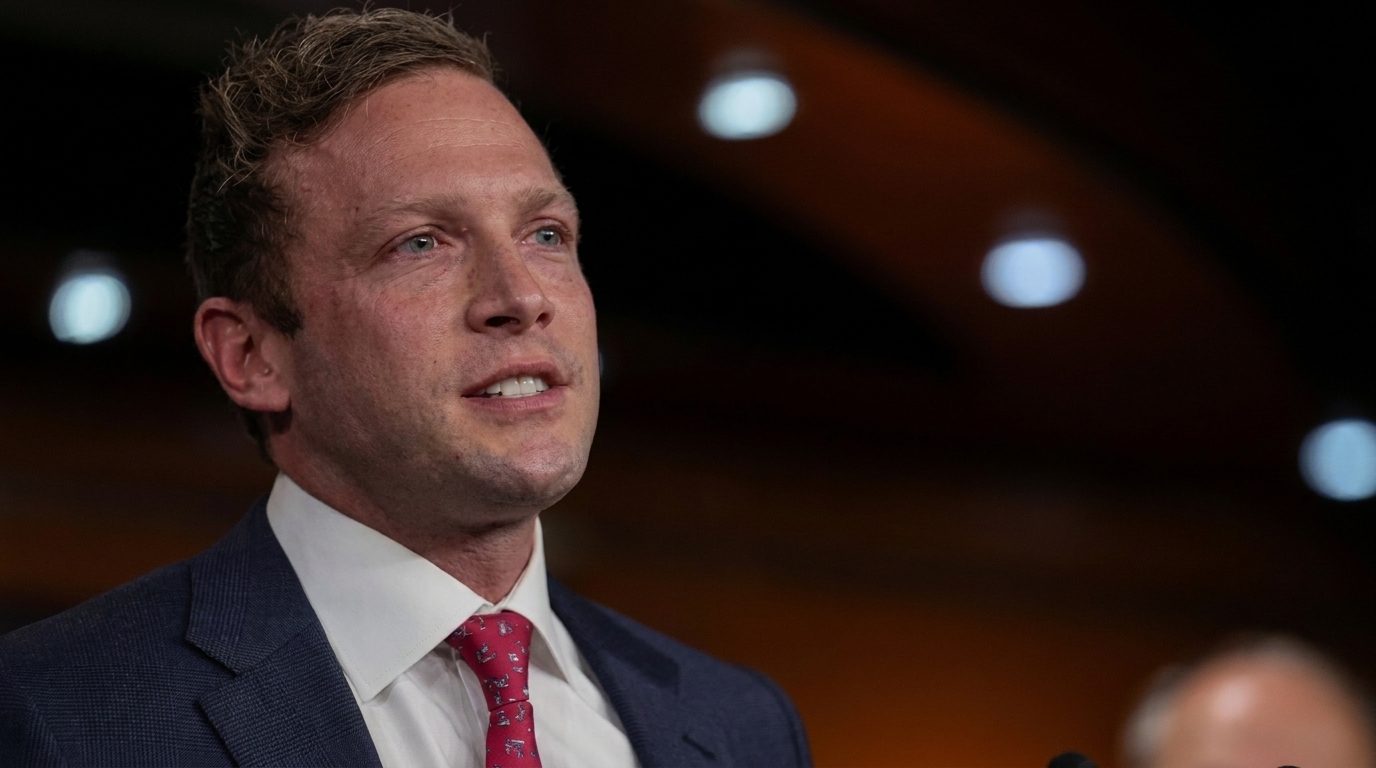
The united states says it just scored a major win. After a marathon first round of talks in switzerland, vice president jd vance announced that iran agreed to let iran nuclear inspectors from the united nations back into the country. He called it the part “we’re most excited about as americans.” but within hours, tehran was telling a very different story, and that gap between the two versions is the real headline coming out of the lake lucerne talks.
Here is the short version. Washington is framing the return of iran nuclear inspectors as a breakthrough on the road to ending the war. Iran is saying it made no new nuclear commitments at all. Both can point to the same 18 hours of negotiations and walk away describing something completely different. That is either a sign of careful diplomacy or a warning that this deal is far shakier than it looks.
What vance actually announced in switzerland
Let’s start with the american version, because it is the more optimistic one. Speaking on the tarmac before leaving switzerland on monday, vance said the two sides had laid the groundwork for a final agreement. “we laid a very good foundation for a successful final deal,” he told reporters, comparing the deal to a house and saying they had poured the foundation but not yet built the house.
Vance listed four concrete accomplishments from the talks. First, iran agreeing to allow un nuclear inspectors from the international atomic energy agency back in. Second, a mechanism to keep the strait of hormuz open. Third, a deconfliction line to support the regional ceasefire in lebanon. Fourth, a structure for future negotiations. The two sides also agreed on a roadmap toward a final deal within 60 days, overseen by a new high level committee with political authority over the process.
The negotiators set up four working groups to handle the hard parts: sanctions termination, nuclear affairs, reconstruction and economic development, and monitoring and implementation. On the money side, the u.s. treasury issued sanctions waivers suspending restrictions on iranian oil sales for 60 days. Treasury secretary scott bessent said the move matched the productive talks in switzerland. Vance added that any future unfreezing of iranian assets would need u.s. and qatari approval, with the funds steered toward buying american soybeans, corn, and wheat, an idea he credited to jared kushner.
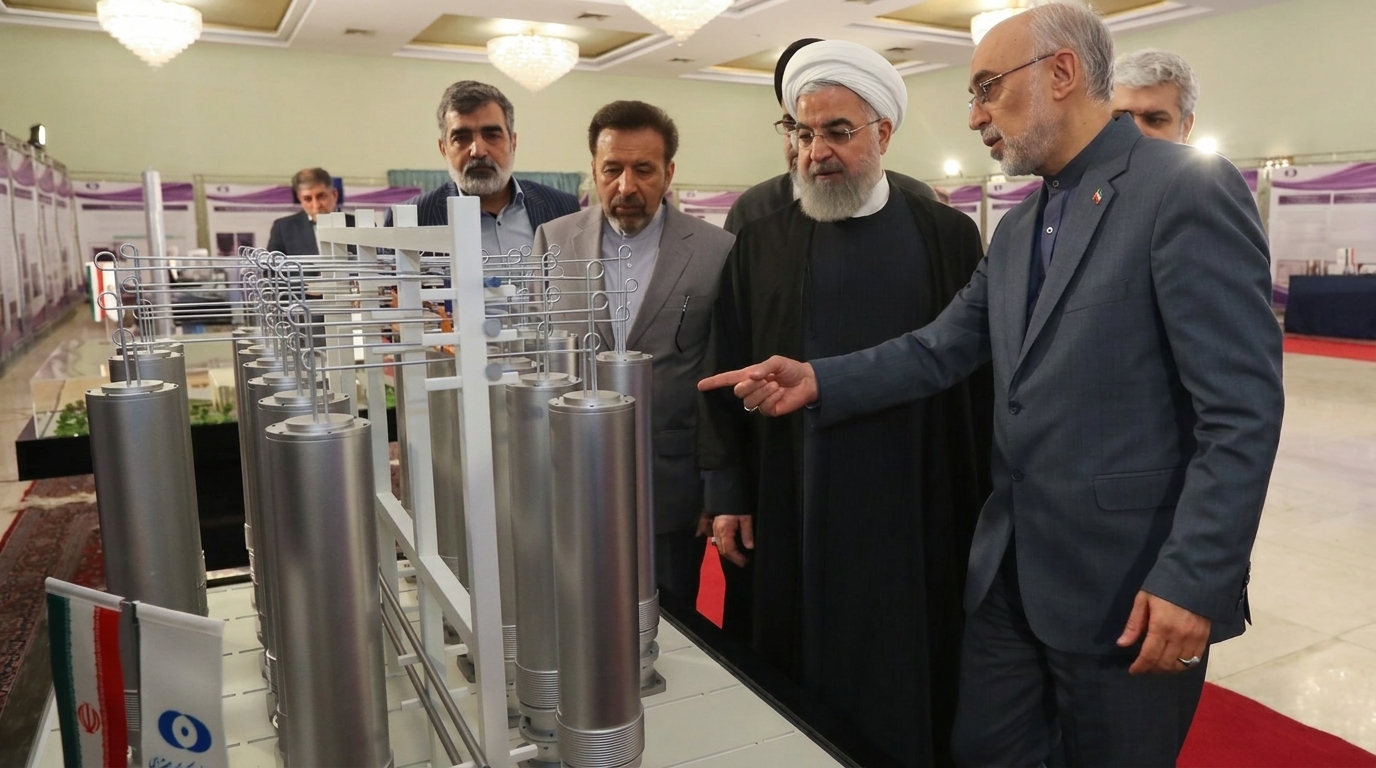
On the inspectors specifically, vance said coordination between iran, the u.s., and the iaea could happen within days, “maybe as soon as today.” he framed the return of the inspectors as “a major milestone and a first step in permanently ending a nuclear weapons program in iran.”
The stakes behind that point are real. The last full iaea visit to iran’s key nuclear sites took place before the war, and those facilities were later struck by u.s. and israeli forces. That means international monitors have been largely in the dark about the state of iran’s program for months, with no independent eyes on enrichment levels or stockpiles. Getting inspectors back in is the only credible way to verify what iran actually has, which is exactly why washington pushed so hard for it and why the access details matter more than the announcement itself.
Why iran is telling a different story
Here is where it gets complicated, and this is the part most coverage is glossing over. Iran’s foreign ministry spokesman, esmaeil baghaei, did not confirm that inspectors were returning. He said iran’s cooperation with the iaea “will continue according to its normal procedure,” tied to parliament’s resolutions and the supreme national security council. That is not the same as inviting inspectors back, and the wording matters.
Baghaei went further. He said that during the 18 hours of talks, iran “did not hold any discussions on the nuclear file and has not accepted any new commitments.” another iranian official described only a brief, general mention of the nuclear issue, insisting real negotiations on it had not even started. Then, on tuesday, baghaei said iran has no plan to let inspectors visit the nuclear sites that were bombed during the recent conflict, and that iran’s missile and defensive capabilities are off the table entirely.
So the same event produced two opposite summaries. Vance says inspectors are coming back as a milestone. Tehran says nothing new was agreed and the bombed sites stay closed. Iran’s guiding principle, baghaei said, is “commitment for commitment,” meaning iran will only move as the u.s. moves. The lead iranian negotiator, mohammad bagher qalibaf, also made clear the strait of hormuz will be managed by iran under international law, not handed over. That is a more guarded picture than the american one.
It is worth being fair to both readings. Diplomats often describe the same deal differently to satisfy audiences back home. Vance needs a win to sell to americans tired of the war. Iranian officials need to show hardliners they gave away nothing. So the contradiction may be theater. But it may also be real disagreement papered over, and right now nobody can say which.
The lebanon and israel problem hanging over the talks
Even if the inspectors question gets resolved, another fault line could break the whole thing. The memorandum of understanding that underpins these talks calls for hostilities to end across the region, including lebanon. Israel, which is not part of the deal or the talks, has refused to go along.
Israeli finance minister bezalel smotrich said tuesday that israel will not pull its forces out of southern lebanon while hezbollah remains active. “it simply will not happen,” he told army radio, adding there would be no withdrawal from the security zone as long as the current government stays in power. He argued hezbollah must be dismantled and stripped of any military power before new security arrangements can even be discussed.
Iran sees it the opposite way. Its ambassador to the un in geneva called lebanon an “unquestionable” part of the memorandum, including the withdrawal of israeli troops. So iran says the deal requires israel out of lebanon, and israel says it is not leaving. The united states is stuck between them, having signed a framework that promises something it cannot force israel to deliver. The white house has voiced unusual public criticism of israel over its lebanon operations, while vance insisted the u.s. stayed in “constant contact” with israeli officials throughout the talks.
There was drama behind the scenes too. Vance acknowledged the iranian team threatened to walk out after trump posted threats to attack iran on truth social. He brushed it off as “trash talk,” saying the iranians did “a little bit of whining” but the talks continued. That detail captures how fragile the mood was, even on a day both sides are now calling progress.
Iran nuclear inspectors: what to watch next
Strip away the competing spin and a few hard markers will tell you whether this is real. The first is the inspectors themselves. Vance said they could arrive within the week. If iaea staff actually land in iran and get meaningful access, the american version holds up. If iran limits them to routine sites and keeps the bombed facilities sealed, baghaei’s version wins.
The second marker is oil. The treasury’s 60-day waiver means iranian crude can flow again. If tankers move through a reopened strait of hormuz without incident, the economic core of the deal is working regardless of the nuclear noise. The third is lebanon. If the deconfliction line holds and the shooting stays quiet, the ceasefire survives. If israel and hezbollah trade fire again, the pressure on the whole framework returns fast.
It is also fair to flag the obvious reality check. Reaching even the looser memorandum of understanding was hard, and monday’s meeting almost did not happen because of the fighting in lebanon. A final nuclear deal within 60 days is far from guaranteed. Technical teams stayed behind in switzerland to keep grinding through the details after the senior officials flew home.
Iran nuclear inspectors the bottom line
The return of iran nuclear inspectors is being sold as the headline win from switzerland, and if it happens with real access, it would be a genuine step toward defusing the nuclear standoff. Vance laid out four accomplishments, a 60-day roadmap, and oil waivers that are already in effect. Those are concrete, and a week ago many americans would have welcomed any of them.
But tehran’s flat denial that it accepted new commitments, israel’s refusal to leave lebanon, and the still-unanswered question of what access inspectors will actually get all hang over the celebration. The foundation may be poured, as vance put it, but the house is nowhere close to built. Whether the iran nuclear inspectors breakthrough becomes a turning point or just another round of careful spin depends entirely on what happens on the ground over the next few weeks.
Follow this blog for updates as the inspectors’ visit, the oil waivers, and the 60-day deadline play out.