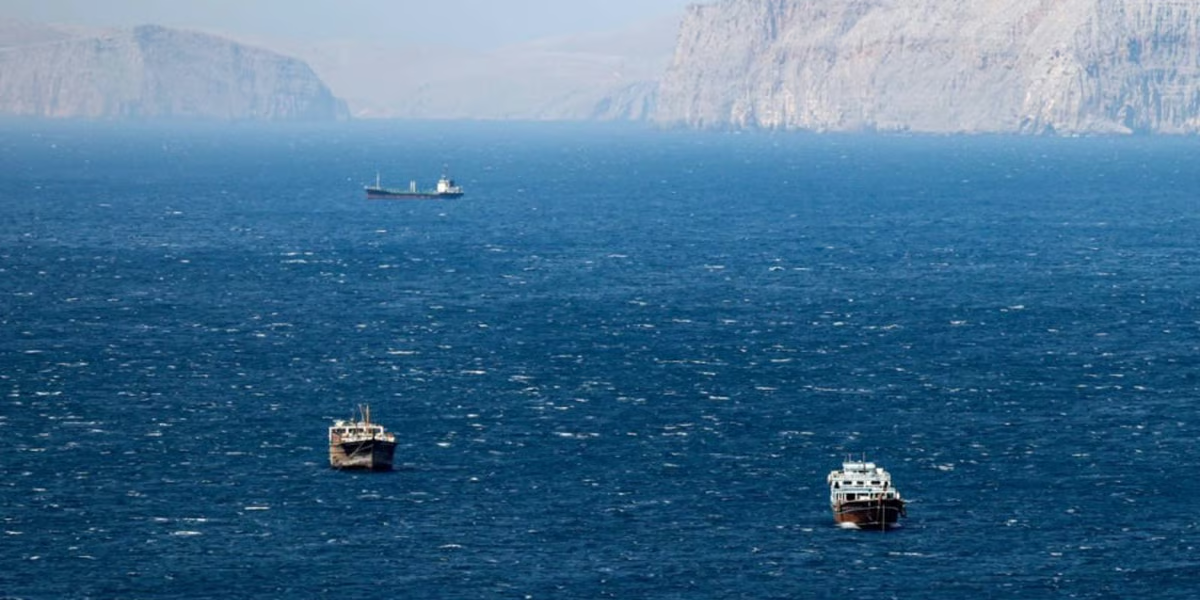
Every time gas prices creep up, people look for the same suspects. opec cutting production. refinery outages. summer driving season. but the bigger story right now isn’t coming from a boardroom in vienna. it’s coming from a narrow strip of water between iran and oman called the strait of hormuz, and most american drivers have no idea it’s happening.
What’s actually going on in the strait of hormuz
The strait of hormuz is the single busiest oil chokepoint on earth. roughly a fifth of the world’s oil supply passes through it every single day, squeezed into a channel so narrow that ships on opposite sides can practically see each other. for decades that traffic moved without much drama. that’s no longer true.
Since the war between the united states, israel and iran broke out earlier this year, iran has repeatedly tried to assert control over who passes through the strait and how. iran’s government has pushed commercial vessels to follow specific routes and protocols it sets, essentially trying to charge for safe passage through water that international shipping has always treated as open. when ships didn’t comply, iran responded with force, including strikes on three commercial vessels in early july that helped push the entire conflict into a new phase.
Why the strait matters more than most people realize
Most people picture gas prices as a domestic story: drilling, refineries, taxes. but a huge share of the crude that eventually becomes gasoline in the us starts its journey through hormuz. when insurers get nervous about a shipping lane, premiums go up. when premiums go up, shipping companies either pay more or take longer, safer routes around the danger zone. both options add cost, and that cost doesn’t just disappear. it works its way down the supply chain until it shows up at the pump.
It’s not an opec problem, it’s a geography problem
Opec can announce production increases all it wants. it doesn’t matter much if tankers are scared to move through the strait that gets that oil to market in the first place. that’s the disconnect a lot of coverage misses. the strait of hormuz gas prices story isn’t about how much oil exists. it’s about whether that oil can move safely and cheaply from point a to point b.
Right now it can’t, not entirely. the war has already disrupted global travel and trade in the region, grounded flights in and out of the middle east, and forced shipping companies to reroute away from both the strait and the red sea. every one of those reroutes adds days, fuel and insurance costs to a supply chain that used to run tight and cheap.
The ships that started this
The early july attacks on commercial vessels were the tipping point. after those strikes, the us stepped up its own military response, and what had been an uneasy standoff turned into something closer to open conflict over who actually controls the water. iranian officials have pushed back hard on the idea that they’re the ones threatening trade, pointing out that iran itself has been targeted twice during past negotiation periods. that back and forth hasn’t resolved anything. it’s just kept tensions, and shipping costs, elevated.
There have been some signs of de-escalation. diplomats from iran and oman have been meeting in tehran specifically to talk through how to manage safe passage through the strait going forward. that’s a hopeful sign, but talks about safe passage aren’t the same thing as safe passage actually happening yet.
What it means for american drivers
Here’s the part that actually lands in your wallet. gas prices don’t move the instant something happens overseas. they move with a lag, as higher shipping and insurance costs slowly get baked into fuel contracts and then into what gas stations charge at the pump. if the strait of hormuz situation stays unresolved, or gets worse before it gets better, that lag is exactly what could catch a lot of drivers off guard this summer.
How fast could prices move
Nobody can put an exact number on it yet, and anyone who tells you they can is guessing. but the ingredients are all there: a critical chokepoint under dispute, active military conflict in the region, and shipping companies already paying more to avoid the riskiest routes. those are the same conditions that have driven gas price spikes in past middle east conflicts, and there’s no reason to assume this time is different just because the headlines have quieted down for a few days.
Adding to the pressure, iran’s own government has warned that it may need to raise its heavily subsidized domestic fuel prices because of inflation and war damage to infrastructure. that’s a separate issue from what happens at us pumps, but it’s another sign of just how much strain this conflict has put on the region’s energy system as a whole.
Strait of hormuz gas prices: the bottom line
The headlines are focused on strikes, diplomacy and troop movements. but the strait of hormuz gas prices connection is the part that’s going to actually hit regular people first, long before most news coverage catches up to it. it’s not opec deciding to squeeze supply. it’s a war zone sitting on top of the world’s most important oil chokepoint, and shipping companies quietly paying more every day to work around it.
Keep an eye on this one. it’s moving faster than most people realize, and it’s going to show up at the pump before it shows up on the evening news.
Follow this blog for updates as this story develops.