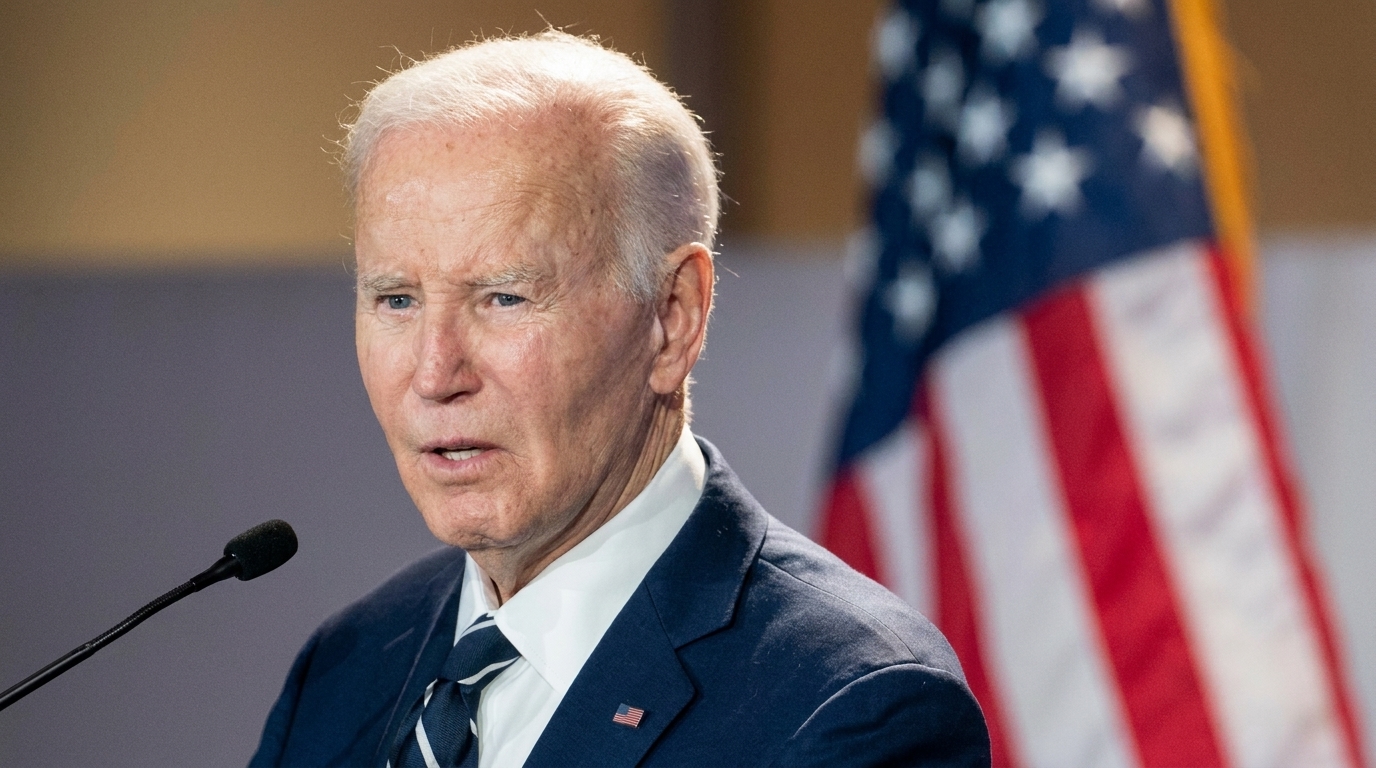
The Biden sues DOJ audio tapes release June 15 classified documents story is one of the most legally unusual situations in recent American political history a former president suing the Justice Department to stop private recordings of himself from being made public, nine days before they are scheduled to drop. Here is everything you need to know about what is on those tapes, why Biden is fighting so hard to keep them private, and what happens if the court doesn’t stop the June 15 release.
What Are These Tapes and Why Does Biden Sues DOJ Audio Tapes Release June 15 Matter So Much
The recordings at the center of the Biden sues DOJ audio tapes release June 15 classified documents case are not from an official government interview. They are private conversations Biden had with his ghostwriter, Mark Zwonitzer, during the writing of his 2017 memoir “Promise Me, Dad: A Year of Hope, Hardship, and Purpose.” The memoir covers one of the most painful years of Biden’s life the period between late 2014 and 2016 when his son Beau Biden was diagnosed with brain cancer, deteriorated, and died. During those conversations, Biden also discussed his work as Vice President, including classified information from his notebooks that he shared with Zwonitzer.
Special Counsel Robert Hur obtained those recordings as part of his 2023 investigation into Biden’s handling of classified documents. Hur ultimately declined to charge Biden, famously describing him as a “well-meaning, elderly man with a poor memory.” Heavily redacted transcripts of the recordings were released publicly. The actual audio which could reveal tone, memory lapses, emotional state, and any divergence from the written transcripts has never been released. That audio is what Biden is now suing to keep private.
Why Biden Is Suing His Own Party’s Former DOJ
The legal situation behind the Biden sues DOJ audio tapes release June 15 classified documents case is genuinely unusual. During Biden’s own presidency, his DOJ fought to keep these recordings private. The department argued that releasing audio tapes as opposed to transcripts posed unique risks because advances in AI and deepfake technology could be used to manipulate the recordings and spread misinformation. That argument kept the tapes sealed through the end of Biden’s term.
Then Trump took office. The new DOJ reversed course entirely. On May 5, 2026, Trump’s DOJ informed Biden’s legal team that it had decided to release the recordings with limited redactions to Congress and to the Heritage Foundation, a conservative think tank that had sued for access under the Freedom of Information Act. The release date: June 15. Biden filed his lawsuit the same week, arguing that the recordings are private conversations conducted within his own home and that he has a fundamental right to privacy regardless of his former position.
What the Heritage Foundation and Congress Actually Want
Understanding the Biden sues DOJ audio tapes release June 15 classified documents situation requires understanding who is on the other side of this fight. The Heritage Foundation one of the most influential conservative policy organizations in the United States sued for the recordings in 2024. Mike Howell, the foundation’s Oversight Project president, posted on social media: “We sued for the tapes. The tapes belong to the American people and we will get them the tapes that Biden wants hidden.” Trump posted on Truth Social calling Biden a “crooked politician” for fighting the release.
The House Judiciary Committee is separately seeking the same recordings for what Republicans describe as “oversight” purposes. Chairman Jim Jordan has said the American public deserves to hear the recordings. Democrats have argued that the Republican interest in the tapes is purely political an attempt to weaponize personal and painful conversations for electoral purposes ahead of future elections.
What Biden’s Legal Team Says Is Actually at Stake
Biden’s lawsuit makes a specific and significant argument. The recordings, his attorneys say, were obtained by Hur “on the condition that they would not be made public.” Biden cooperated with the special counsel investigation voluntarily and provided access to private recordings with an explicit understanding of confidentiality. His spokesperson TJ Ducklo said the DOJ itself had previously argued the tapes “serve no public interest.” Now the same department is reversing that position to release them to a political opponent’s allies.
The lawsuit argues that the conversations touch on deeply personal territory Beau Biden’s illness and death, Biden’s decision not to run for president in 2016 alongside the classified materials discussion. Biden’s legal team says the personal content is exempt from FOIA disclosure and that releasing it would set a dangerous precedent for any private citizen who cooperates voluntarily with a federal investigation.
What Happens on June 15 If No Court Steps In
The Biden sues DOJ audio tapes release June 15 classified documents deadline is nine days away as of today, June 6. A federal judge in Washington D.C. is now reviewing Biden’s request for an emergency injunction to block the release. If the judge grants it, the tapes stay sealed pending a full hearing. If the judge denies it or doesn’t act in time the recordings go to Congress and the Heritage Foundation on June 15 as scheduled.
Once the recordings reach Congress, there is no mechanism to prevent them from becoming public. Members of Congress are not bound by FOIA exemptions or privacy law in the same way the DOJ is. The recordings including whatever emotional, personal, or legally sensitive material they contain would almost certainly be publicized within hours of their congressional delivery.
The Bigger Question This Case Is Raising
Beyond the immediate legal fight, the Biden sues DOJ audio tapes release June 15 classified documents case is raising a question that legal scholars are watching closely. Can a new administration reverse a prior administration’s confidentiality commitments made to a witness who cooperated with a federal investigation? If the answer is yes, it means that any American who voluntarily cooperates with a federal investigation under promises of confidentiality could have those promises revoked by a future administration with different political interests. That precedent extends far beyond Biden and far beyond this specific case.
June 15 is the date everything changes one way or another.