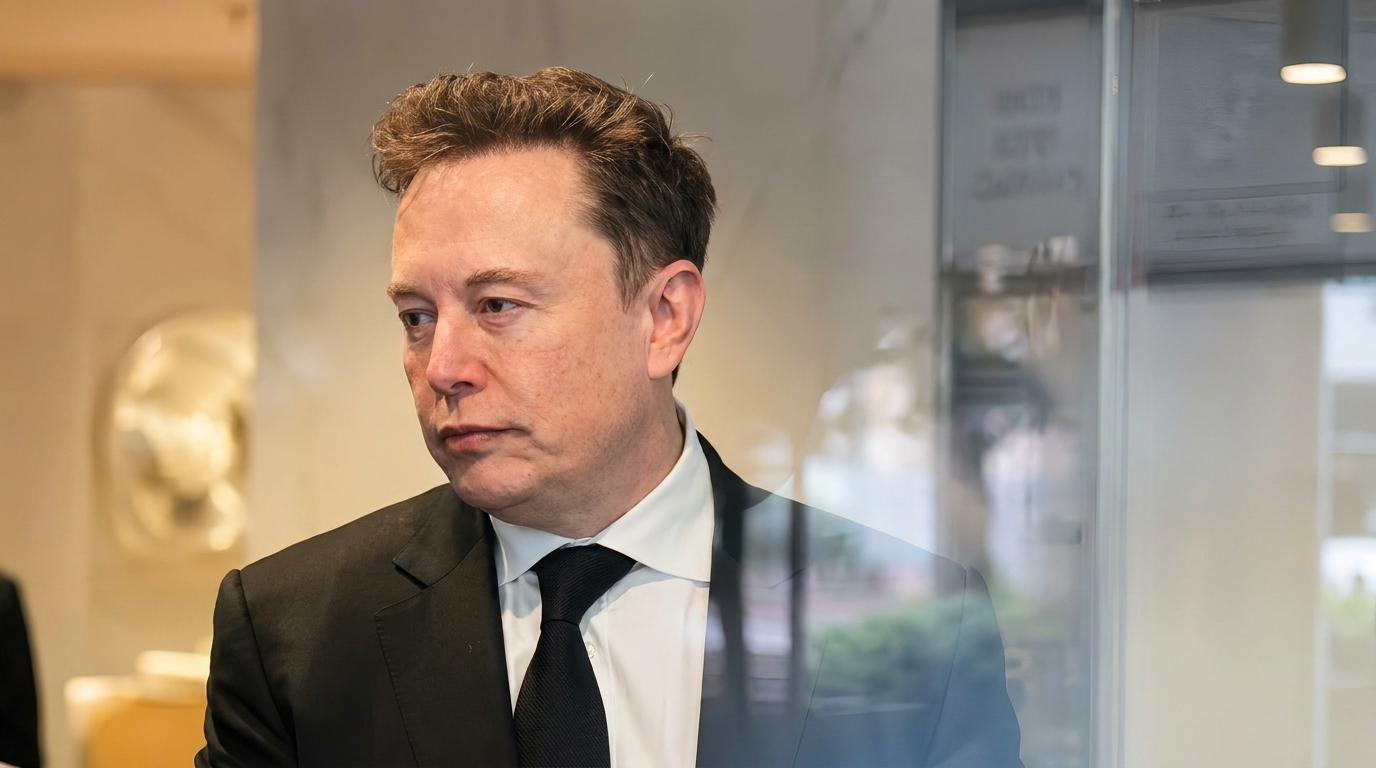
Robert Redford is one of the most respected names in American cinema. He is a celebrated actor, a visionary director, a committed environmental activist, and the founder of the famous Sundance Film Festival. His career spans more than six decades. During that time, he shaped Hollywood storytelling, championed independent films, and used his platform to speak about nature conservation. Understanding Robert Redford means understanding a man who balanced fame with purpose. His story is both inspiring and complex.
This article explores the key factors that define Robert Redford’s life and legacy. We will look at his early years, his rise to stardom, his directorial achievements, his environmental work, and how his choices have shaped his lasting reputation. Furthermore, we will discuss the tradeoffs he faced along the way because great impact rarely comes without difficult decisions.
Early Life and Background of Robert Redford

Charles Robert Redford Jr. was born on August 18, 1936, in Santa Monica, California. He grew up in a modest, working-class family. His father was an accountant, and his mother, Martha, had a strong influence on him before she passed away when Redford was just eighteen years old. That loss shaped him deeply. It gave him a sense of reflection and quiet intensity that would later define many of his on-screen performances.
As a young man, Redford showed little academic interest. However, he had a strong creative streak. After briefly attending the University of Colorado on a baseball scholarship, he dropped out and traveled to Europe to pursue painting. That artistic journey was a turning point. He eventually returned to the United States and enrolled at the American Academy of Dramatic Arts in New York. This decision changed the direction of his life entirely.
His early acting years were spent in television and theatre. He earned small roles and worked hard to improve his craft. Then, in 1969, everything changed. His starring role in ‘Butch Cassidy and the Sundance Kid’ alongside Paul Newman turned him into a household name almost overnight.
Robert Redford’s Rise to Hollywood Stardom
Few actors have experienced the kind of rapid rise that Robert Redford enjoyed in the early 1970s. After the massive success of ‘Butch Cassidy and the Sundance Kid,’ he followed it with a string of critically and commercially successful films. His collaboration with Paul Newman was particularly special. Together, they became one of Hollywood’s most beloved on-screen duos.
In 1973, the pair reunited for ‘The Sting,’ which won seven Academy Awards, including Best Picture. Redford’s performance was charming, witty, and effortlessly cool. Critics praised his ability to hold the screen with such natural ease. Moreover, films like ‘Jeremiah Johnson’ (1972) and ‘The Way We Were’ (1973) showcased his versatility as an actor. He could play rugged outdoor heroes just as easily as he could portray romantic leads.
However, Redford was always careful about the roles he accepted. He turned down many big-budget films if they did not align with his values or creative vision. This was a conscious tradeoff. He sacrificed some commercial opportunities in order to protect his artistic integrity. As a result, his filmography is relatively selective but consistently strong in quality.
His most iconic roles include: ‘All the President’s Men’ (1976), where he played journalist Bob Woodward in a gripping political thriller; ‘The Natural’ (1984), a deeply moving baseball drama; and ‘Out of Africa’ (1985), a sweeping romance that earned him critical praise worldwide. Each of these films showed a different dimension of his talent.
Robert Redford as a Director: Balancing Storytelling and Vision
Robert Redford’s transition from acting to directing was both natural and bold. In 1980, he directed ‘Ordinary People,’ a deeply emotional family drama based on Judith Guest’s novel. The film was a critical sensation. It won four Academy Awards, including Best Picture and Best Director for Redford himself. Winning the Oscar over Martin Scorsese’s ‘Raging Bull’ was one of the most talked-about moments in awards history.
What made ‘Ordinary People’ so remarkable was its quiet power. Redford chose to tell the story with subtlety and restraint. Rather than using dramatic music or flashy visuals, he let the performances speak. This approach reflected his broader philosophy as a filmmaker: respect the story, trust the audience, and avoid excess.
He went on to direct other acclaimed films, including ‘Quiz Show’ (1994) and ‘The Legend of Bagger Vance’ (2000). Additionally, his 2018 film ‘The Old Man & the Gun’ served as a fitting, gentle farewell to his acting career. Throughout his directorial work, Redford balanced commercial appeal with artistic depth. That balance was not always easy to maintain, but it was central to his creative identity.
The Sundance Film Festival: Redford’s Greatest Gift to Independent Cinema
Perhaps Robert Redford’s most enduring contribution to the world of film is the Sundance Film Festival. What began as a small Utah-based event in 1978 has grown into the most prestigious independent film festival in the world. Redford became involved in the festival early on, and by the 1980s, he had transformed it into a global platform for independent storytellers.
The Sundance Institute, which Redford founded in 1981, serves as the festival’s parent organization. Its mission is to support emerging filmmakers, writers, and artists who might otherwise struggle to find a voice in a Hollywood dominated by big studios. Over the years, Sundance has launched the careers of countless directors, including Quentin Tarantino, Steven Soderbergh, and Kevin Smith.
At , we often point to Sundance as a model for how a single person’s passion can create lasting structural change in an industry. Redford did not just talk about supporting independent voices he built a system that made it possible. The festival holds screenings every January in Park City, Utah, attracting thousands of filmmakers, distributors, and movie lovers from around the world.
There are, however, tradeoffs in what Sundance has become. As it grew more commercially successful, some critics argued it began to lose its truly independent spirit. Bigger acquisitions, corporate sponsors, and rising costs changed the atmosphere over time. Redford himself acknowledged these tensions. Balancing accessibility with authenticity is a challenge that any growing institution must face and Sundance is no exception.
Robert Redford and Environmental Activism: A Lifelong Commitment
Beyond his work in film, Robert Redford is deeply known for his commitment to environmental causes. His passion for nature began in his youth, shaped by the landscapes of the American West. As his celebrity grew, he used it to draw attention to issues like clean energy, wilderness protection, and climate change.
Redford became a vocal advocate for renewable energy long before it was a mainstream political issue. In the 1970s and 1980s, he testified before Congress about the dangers of fossil fuel dependence. He also used his Sundance property in Utah as a kind of living laboratory for sustainable living, incorporating solar energy and responsible land management.
His environmental work brought its own set of challenges. Some critics accused him of inconsistency, noting that Hollywood productions including some of his own generate significant carbon footprints. Furthermore, his opposition to certain development projects sometimes put him at odds with local communities who needed the economic benefits. These tensions are real and worth acknowledging.
Nevertheless, Redford’s overall impact on environmental awareness is significant. He helped make conversations about conservation more accessible to the general public. His ability to connect cultural storytelling with environmental messaging was, and remains, a unique and powerful contribution.
Key Factors That Shaped Robert Redford’s Legacy
Several core factors explain why Robert Redford’s legacy has endured for so long. These factors are worth examining carefully.
Artistic Selectivity
Redford was never driven by box office numbers alone. He chose projects based on their stories and their values. This selectivity meant he worked less frequently than some peers. However, it also meant that audiences trusted him. When Redford appeared in a film, they knew it was likely to be something meaningful and well-crafted.
Authenticity on Screen
One of Redford’s greatest strengths as an actor is his naturalistic style. He rarely over-performs. Instead, he listens, reacts, and responds with quiet intensity. This makes his characters feel real. In roles from ‘The Candidate’ (1972) to ‘All Is Lost’ (2013) where he carried an entire film almost entirely without dialogue Redford demonstrated a rare level of screen presence.
Institutional Building
Unlike many stars who simply enjoy fame, Redford invested his influence into building lasting institutions. The Sundance Institute is perhaps the best example. Beyond his personal films, this contribution means his impact on cinema will outlast any single role or performance.
Consistency of Values
Throughout his career, Redford’s values remained largely consistent. He cared about storytelling, the environment, and human dignity. Even when these values created friction with studios, politicians, or critics he maintained his positions. This consistency earned him deep respect, even from those who disagreed with him.
The Tradeoffs in Robert Redford’s Career Choices
Every major career decision involves tradeoffs. Robert Redford’s life is full of instructive examples. First, his choice to focus on meaningful, smaller-scale films over blockbusters limited his commercial earnings but protected his credibility. He famously turned down the lead role in ‘The Graduate’ (1967), a film that made Dustin Hoffman a star. Whether that was a wise decision is still debated by film historians.
Second, his decision to retire from acting in 2018 rather than continuing into his eighties showed a desire to exit on his own terms. Many actors struggle to step away gracefully. Redford’s ability to do so reflected his self-awareness. Still, some fans and critics felt his retirement came too soon.
Third, balancing his private life with public fame was always a challenge. Redford is famously private. He rarely gives interviews and avoids the celebrity circuit. While this has protected his personal life, it also means that public understanding of his inner world is limited. Furthermore, his personal relationships including a long marriage to Lola Van Wagenen that ended in divorce and a later marriage to artist Sibylle Szaggars have remained largely out of the spotlight.
Robert Redford’s Personal Philosophy and Worldview
Understanding what drives Robert Redford requires looking at his broader worldview. He is, at heart, a storyteller who believes in the power of narrative to create empathy and change. He has often spoken about how great stories whether told through film, art, or literature can shift the way people see the world.
Moreover, Redford’s deep connection to the American West has shaped everything from his choice of film locations to his environmental policies. He sees the natural landscape not just as scenery, but as a kind of moral teacher a reminder of what matters beyond the noise of urban life and commercial culture. This perspective gives his work a grounded, unhurried quality that sets it apart.
At Creative Hives, we find this intersection of creativity and values particularly compelling. Redford shows that it is possible to build a career that is both successful and principled though not without difficulty, compromise, or occasional criticism.
Awards, Honors, and Critical Recognition
Robert Redford’s career achievements are remarkable in their breadth. As an actor, he received a Golden Globe Award for ‘The Sting’ and earned consistent praise across decades. As a director, he won the Academy Award for Best Director for ‘Ordinary People.’ Additionally, he received the Academy Honorary Award in 2002 in recognition of his lifetime contributions to film.
Beyond film, he has received honors for his environmental and cultural work. The American Film Institute named him a Life Achievement Award recipient in 1994. The Screen Actors Guild also recognized him with a lifetime achievement award. These honors reflect a consensus across the film industry that Redford’s influence goes far beyond any single performance or production.
Interestingly, despite his enormous success, Redford has never won a competitive acting Oscar. Some film historians consider this a notable oversight. His performance in ‘All Is Lost’ was particularly praised yet went unrecognized by the Academy. Nevertheless, this gap in formal recognition has done little to diminish the high regard in which he is held by audiences and peers alike.
Robert Redford’s Influence on Future Generations of Filmmakers
The influence of Robert Redford on younger generations of filmmakers is profound and wide-reaching. Through the Sundance Institute and Film Festival, he directly mentored and supported thousands of emerging voices. Many of today’s most respected directors including Ryan Coogler, Dee Rees, and Benh Zeitlin have credited Sundance as a key stepping stone in their early careers.
Beyond direct mentorship, Redford’s body of work serves as a kind of masterclass in understated, character-driven storytelling. Film students and critics regularly cite his performances in ‘The Natural’ and ‘All the President’s Men’ as examples of how less can be more. His directorial style in ‘Ordinary People’ is studied as a model of emotional restraint and precision.
Furthermore, his willingness to use his celebrity for causes beyond entertainment opened a path that many modern actors have followed. From environmental activism to political advocacy, Redford demonstrated that artists can engage seriously with important issues without losing their creative identity.
Challenges and Criticisms: A Fair Assessment
A fair and objective look at Robert Redford must also include the criticisms and challenges that have followed his career. No public figure of his stature is without controversy. Some critics argue that his filmmaking, while competent and sensitive, lacks the daring originality of the great auteurs. Directors like Stanley Kubrick, Francis Ford Coppola, or Martin Scorsese pushed cinema into new territory in ways that Redford arguably never quite matched.
Others have pointed to apparent contradictions in his environmental advocacy. Living a celebrity lifestyle while promoting conservation requires a certain level of internal reckoning. To his credit, Redford has not shied away from acknowledging these tensions. He has stated publicly that living with full consistency is difficult, but that the goal remains worth pursuing.
There have also been quiet criticisms about the Sundance Festival’s shifting identity. As ticket prices rose and studio acquisitions dominated headlines, some argued that the spirit of the original independent film movement was fading. These are legitimate concerns and reflect the difficulty of scaling any creative institution without losing something in the process.
Conclusion: Why Robert Redford Still Matters Today
Robert Redford’s story is ultimately about the choices we make when talent meets opportunity. He could have chased every blockbuster, maximized every dollar, and played the celebrity game to its fullest. Instead, he chose a different path one guided by artistic integrity, environmental conscience, and a genuine desire to support others.
That path came with real tradeoffs. It meant saying no to certain opportunities, accepting criticism, and sometimes failing to live up to the ideals he publicly championed. However, the overall arc of his life and work remains deeply admirable. His contributions to cinema, to independent filmmaking, and to environmental awareness have left marks that will outlast him.
In a world where celebrity is often shallow and short-lived, Robert Redford stands as a reminder that lasting impact requires more than talent. It requires purpose, patience, and the courage to balance competing demands with honesty and grace. As we at Creative Hives often observe, the most meaningful legacies are built not just by what people create but by what they stand for and who they choose to support along the way.
Robert Redford’s legacy, in all its complexity, remains one of the most instructive and inspiring in American cultural history. For anyone interested in film, creativity, environmental issues, or simply in living a life with intention and meaning, his story offers lessons that are well worth studying.