i almost scrolled past this story. i wish more people hadn’t.
a cruise ship carrying passengers from 23 countries just triggered one of the most alarming international health emergencies of 2026. people are dead. americans are quarantined. and the virus responsible is one of the most dangerous respiratory killers known to science.
here is everything you need to know about the Hantavirus Cruise Ship Outbreak 2026.
What Is the Hantavirus Cruise Ship Outbreak 2026
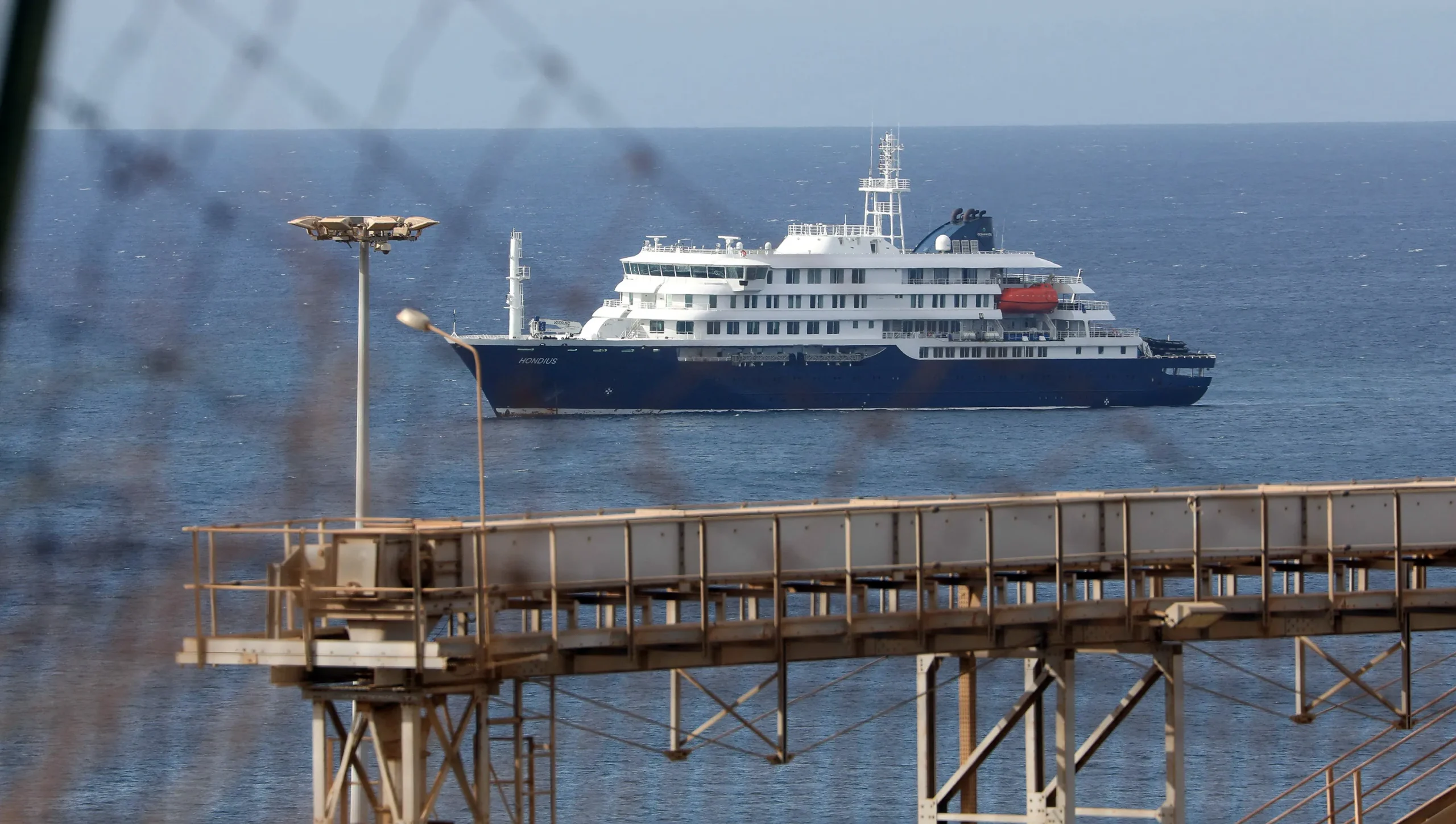
the dutch-flagged cruise ship MV Hondius departed for a luxury expedition in early april 2026. berth prices ranged from €14,000 to €22,000 per person. 147 passengers and crew from 23 nationalities were on board — many from the us, uk, spain, france, and the netherlands.
by late april, passengers started getting sick. fever. gastrointestinal symptoms. rapid progression to pneumonia. acute respiratory distress. shock.
on may 2, WHO received an emergency notification from the united kingdom. laboratory testing in south africa confirmed the cause — hantavirus. specifically, the andes virus. the only known strain of hantavirus that spreads from human to human.
by may 13, the outbreak stood at 8 confirmed cases, 1 inconclusive case, 2 suspected cases, and 3 deaths.
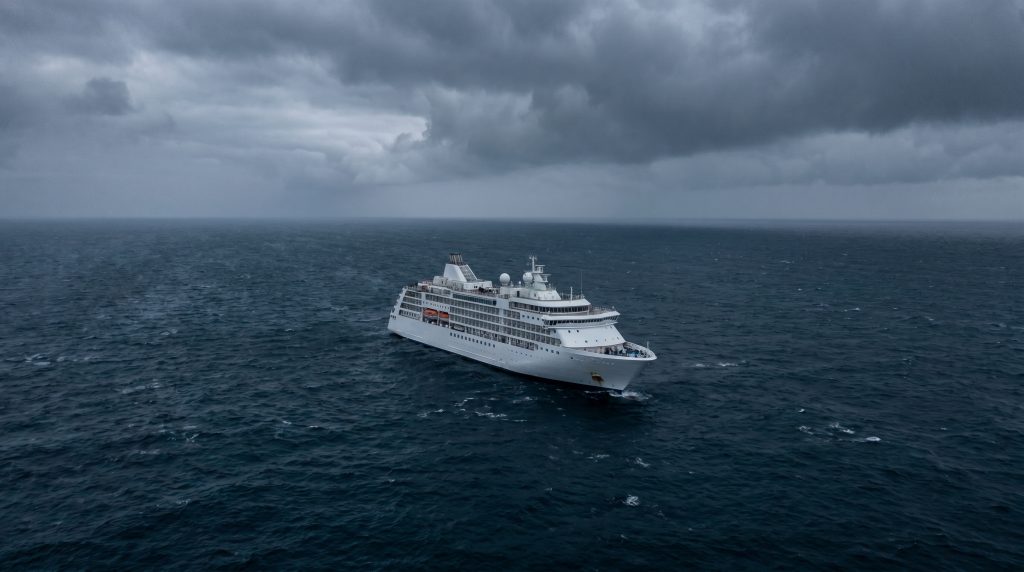
Why the Andes Virus Is Especially Dangerous
most hantavirus strains spread only from infected rodents to humans — through contact with urine, feces, or saliva. once you catch it from a rodent, you cannot pass it to another person.
the andes virus is different. it is the only known hantavirus strain capable of human-to-human transmission. it spreads through close, sustained contact and may even be airborne.
that is why this outbreak triggered a global response involving WHO, CDC, and 22 countries simultaneously coordinating evacuations.
No Treatment. No Vaccine.
there is no specific treatment for hantavirus. no antiviral drug. no vaccine. early supportive care is critical. in severe cases, ECMO — a machine that takes over heart and lung function — can improve survival rates to around 80 percent if started early enough. but without it, patients can deteriorate and die within days.
How the Outbreak Unfolded Day by Day
April 24 the ship docks at saint helena. 30 passengers disembark, including one passenger and his wife who had traveled through south america, including argentina, before boarding.
April 26 the wife of the first passenger dies in a johannesburg hospital after deteriorating on a flight from saint helena.
May 2 a second passenger dies on board. laboratory testing confirms hantavirus. WHO is notified.
May 4 a fourth passenger dies. by now 7 cases are confirmed or suspected.
May 6 WHO confirms the strain is the andes virus. the ship departs cape verde for the canary islands with additional medical teams on board.
May 7 CDC sends a team to meet the ship in spain.
May 10 the ship arrives in tenerife, canary islands. passengers disembark and evacuation flights begin.
May 13 former passengers are hospitalized or under quarantine in 12 countries including the united states, australia, canada, france, germany, the netherlands, south africa, spain, switzerland, turkey, singapore, and saint helena.
What Is Happening to American Passengers
CDC classified this outbreak as a level 3 emergency response its highest alert category.
american passengers from the MV hondius were transported to a specialized facility in nebraska with biocontainment capabilities. the cdc sent a team directly to spain to assess exposure risk before americans boarded repatriation flights.
five californians have been identified as exposed to the andes virus or infected passengers. state health officials are monitoring them.
the cdc has issued guidance to hospitals nationwide — if a patient presents with severe respiratory illness and a history of travel on the MV hondius, treat them with airborne precautions and full PPE immediately.
Should Americans Be Worried
the short answer is no not yet.
WHO has assessed the global risk as low. previous outbreaks of andes virus have only involved transmission in close-contact settings. the virus does not spread like covid-19 did. there is no evidence of community transmission anywhere.
Why Health Officials Are Still Watching Closely
the andes virus has caused localized outbreaks in south america before, particularly in argentina and chile, where it is endemic. those outbreaks stayed small because of early isolation. on a cruise ship, with passengers from 23 countries dispersing back to their home nations, the contact tracing challenge is enormous.
six weeks. that is how long some countries, including the netherlands, are requiring former passengers to self-isolate. france has placed some passengers in biocontainment units. the level of precaution varies significantly by country.
Hantavirus Cruise Ship Outbreak 2026 Bottom Line
this is not covid. the risk to the general american public right now is extremely low according to both CDC and WHO.
but this outbreak carries the fingerprints of the kind of event that public health officials train for — a novel transmission setting, a dangerous human-to-human capable virus, passengers dispersing internationally before the outbreak was identified, and no specific treatment available.
three people are dead. ten cases confirmed or suspected across multiple countries. american passengers are in quarantine in nebraska.
this story deserves your attention — even if the headlines are still buried beneath trump’s china visit.
follow this blog for updates as the situation develops.