Gas is up more than 50% since the Iran war began. The federal gas tax suspension saves about 18 cents a gallon. Experts say the math doesn’t add up and Congress hasn’t even voted yet
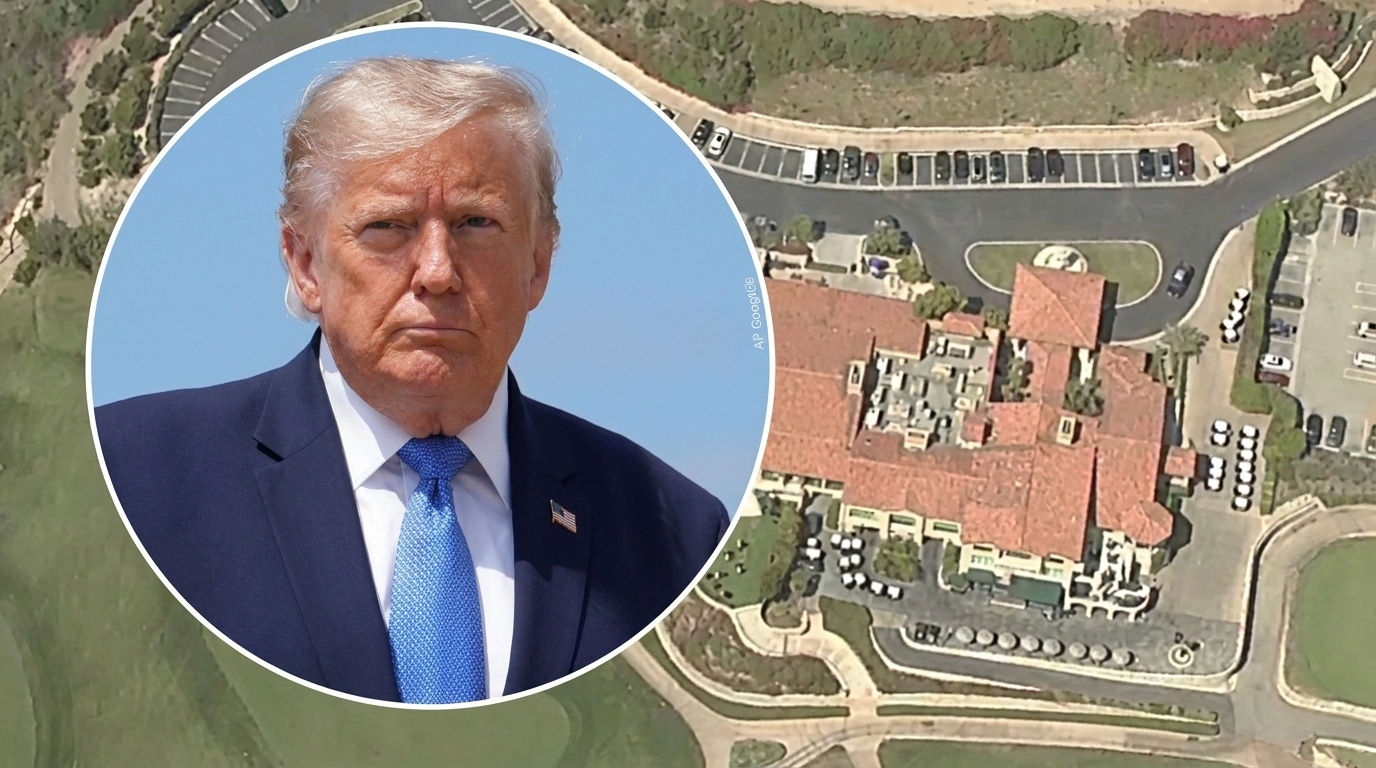
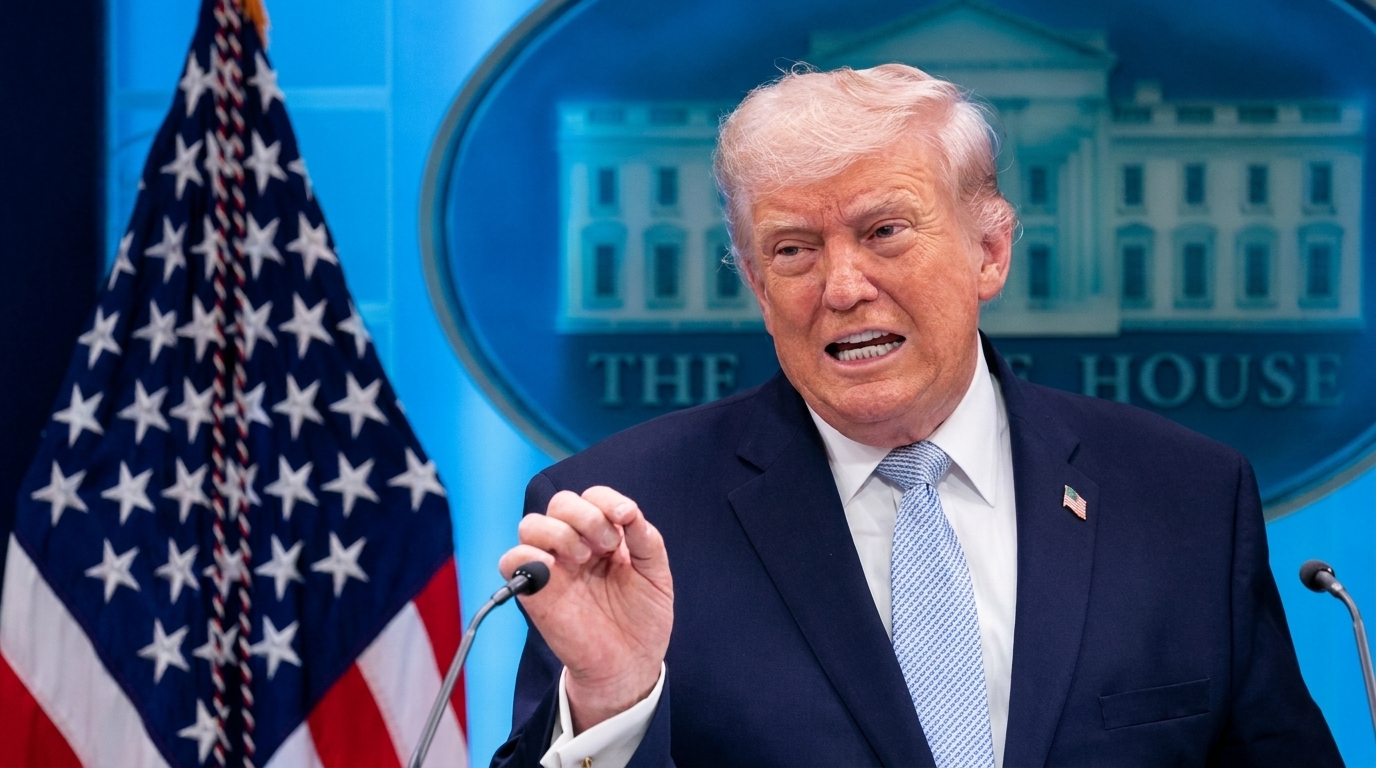
President Trump announced Monday morning that he intends to suspend the federal gas tax, telling CBS News he wants it paused “for a period of time” and reintroduced “when gas goes down.” Later in the Oval Office, when reporters asked how long, he said: “Till it’s appropriate.”
It was the kind of announcement that sounds significant until you look at the actual numbers. And when you look at the actual numbers, a pretty clear picture emerges of how big the problem is and how small the solution being proposed actually is.
WHAT THE GAS TAX IS AND WHAT SUSPENDING IT WOULD DO
The federal gas tax is 18.4 cents per gallon of gasoline and 24.4 cents per gallon of diesel. It has not been raised since 1993. If it had kept pace with inflation it would be about 40.8 cents per gallon today, which tells you something about how modest it already was before any suspension.
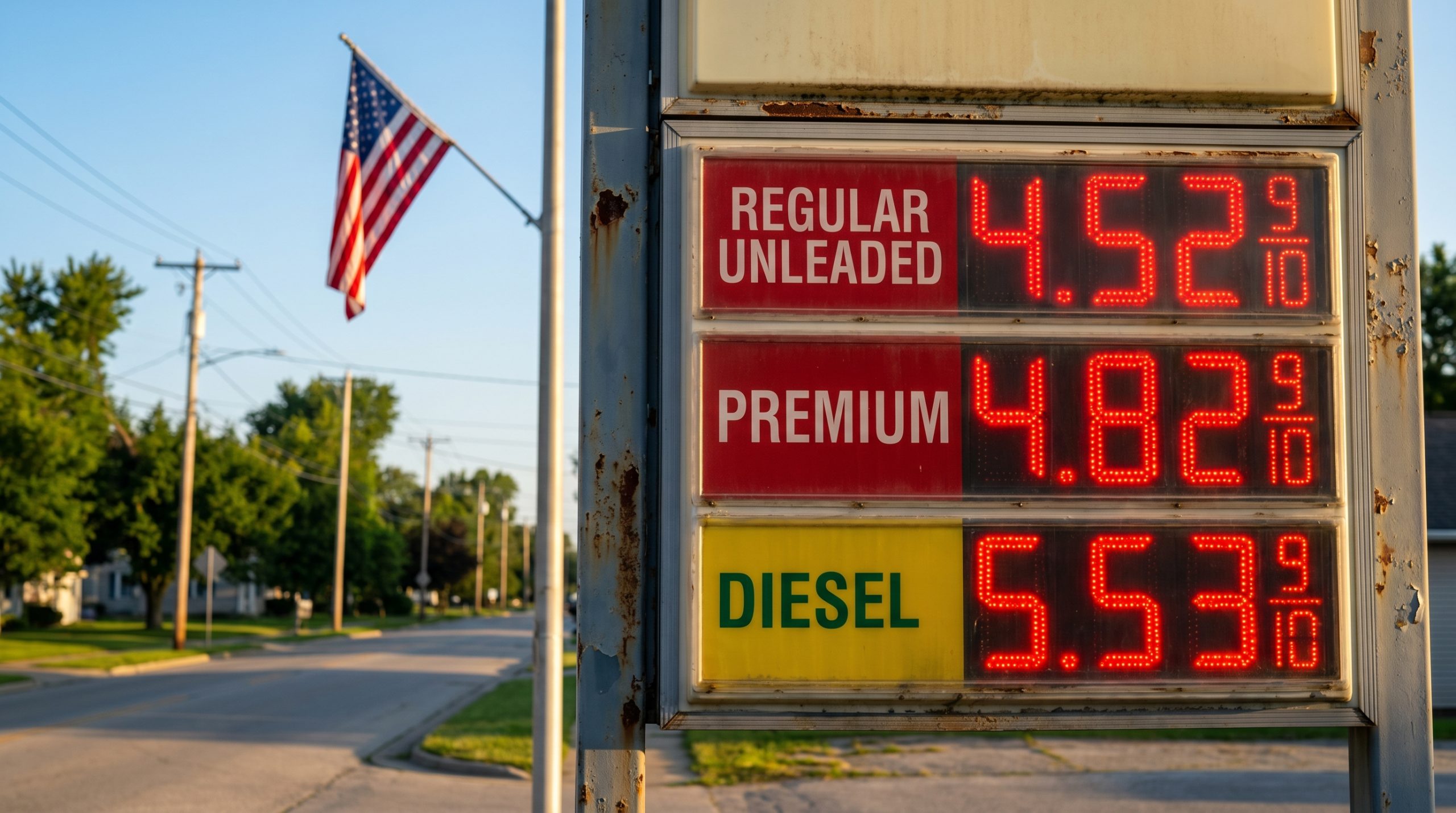
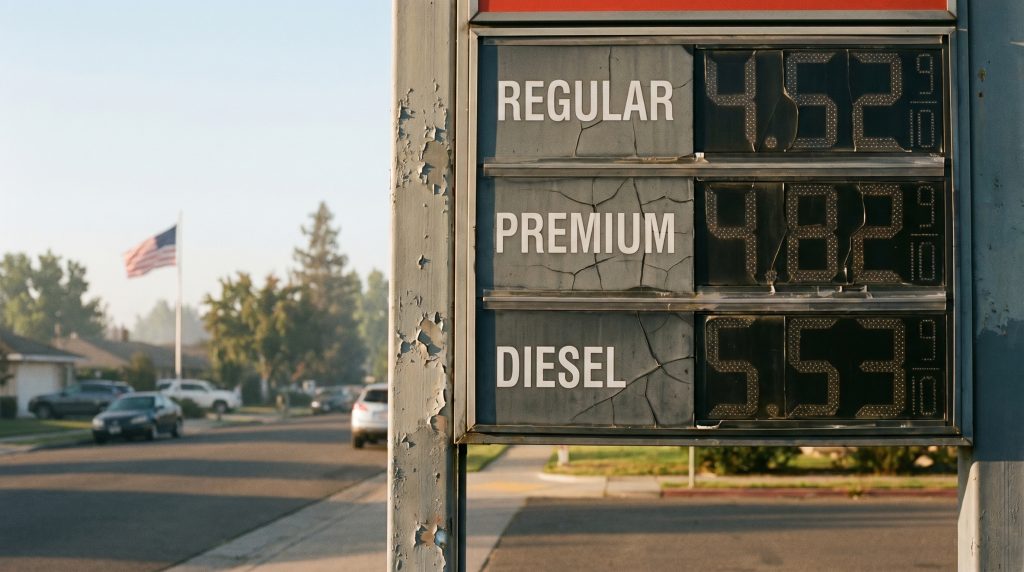
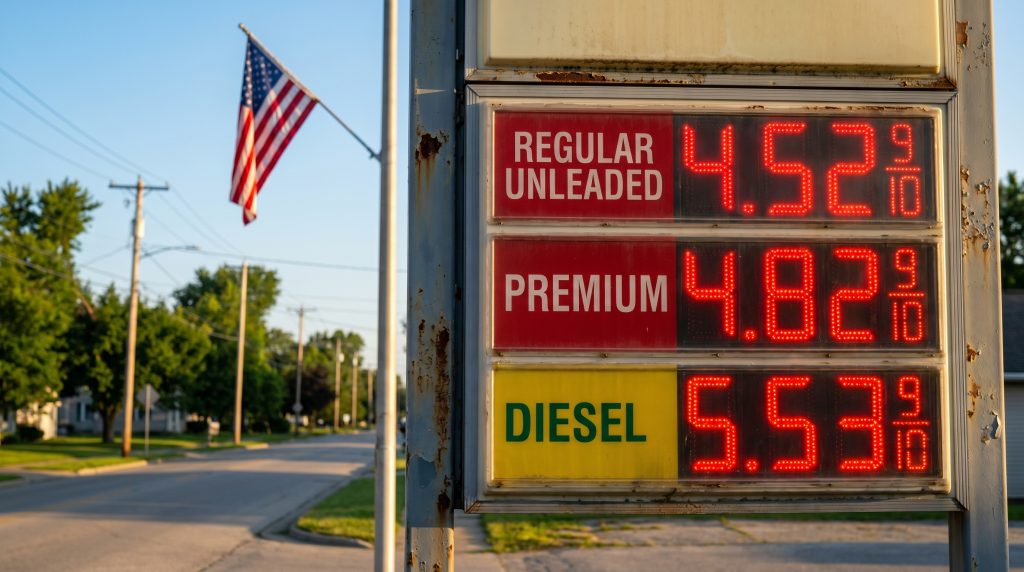
According to a Penn Wharton analysis published Monday, suspending the federal gas tax would reduce the average price of regular gas from $4.52 to roughly $4.34 per gallon. For diesel it would drop from about $5.53 to $5.39. A household filling a 15-gallon tank once a week between June and October would save a total of approximately $35 over five months. That works out to about $7 a month.
The Bipartisan Policy Center puts the real-world savings even lower closer to 10 to 16 cents per gallon once you account for the fact that retailers and supply chain players typically don’t pass the full tax saving on to consumers. For a sedan at national average prices, that’s roughly $2 saved per fill-up.
WHAT THE IRAN WAR HAS ACTUALLY DONE TO GAS PRICES
Before the US-Israeli strikes on Iran began on February 28, the national average for regular gasoline was just under $3 per gallon. As of Sunday May 11, AAA reports it at $4.52. That is a increase of more than $1.50 per gallon in roughly ten weeks. In Los Angeles, some stations are already showing prices above $6.
The Iran war has added an estimated $24 to $32 in extra costs per tank compared to what Americans were paying before the conflict began. The gas tax suspension being proposed would offset roughly $2 to $3 of that. As Andrew Lautz, director of tax policy at the Bipartisan Policy Center, put it plainly on social media Monday: “For a sedan at national average prices, filling up your car costs $18 to $25 more than it did before the war. A federal gas tax holiday saves you up to $2 per fill-up.”
WHY THIS MIGHT NOT EVEN WORK THE WAY TRUMP THINKS
There are two structural problems with a gas tax suspension that experts keep coming back to.
The first is that suspending the tax doesn’t fix the underlying problem. The reason gas prices are high is that the Strait of Hormuz through which roughly a fifth of the world’s oil normally travels has been effectively shut down since the war began. Until that changes, global oil supply remains constrained and prices stay elevated. Removing 18 cents at the pump doesn’t reopen a shipping lane.
The second problem is that tax cuts during a supply shortage can actually make things worse. When demand stays high but supply is restricted, reducing costs for consumers can stimulate more demand, which puts further upward pressure on prices. GasBuddy analyst Patrick De Haan noted Monday that politicians “risk putting through tax cuts that may stimulate demand instead of disincentivizing it.”
THE HIGHWAY FUND PROBLEM NOBODY IS TALKING ABOUT
The federal gas tax generates more than $23 billion per year for the Highway Trust Fund, which pays for road maintenance, bridge repairs and public transit programs across every state. A five-month suspension would reduce that fund by approximately $17 billion according to the Bipartisan Policy Center about 46% of projected annual revenue.
Roads and bridges don’t fix themselves. The states that depend most heavily on federal highway funding would feel that reduction eventually, even if drivers feel a small benefit immediately. It is, in other words, a transfer of cost rather than an elimination of it.
CONGRESS STILL HAS TO VOTE
Trump cannot suspend the federal gas tax on his own. It requires an act of Congress. Both the House and Senate are currently controlled by Republicans, so passage is plausible, but it is not guaranteed. A Democratic-controlled Congress rejected a similar request from President Biden in 2022 when gas prices spiked during a different supply disruption.
Several states have already moved independently. Georgia suspended its state gas tax in March. Indiana suspended both its use tax and excise tax on fuel. Kentucky and Utah have also reduced state fuel taxes for several months. Because state taxes range from 15 to 60 cents per gallon, state suspensions have actually provided more meaningful relief than what the federal suspension is expected to deliver.
THE POLITICAL REALITY BEHIND THE ANNOUNCEMENT
A recent NPR/PBS News/Marist poll found that eight in ten Americans say gas prices are straining their budgets. That includes overwhelming majorities of Democrats, independents and Republicans. The same poll found that 63% of Americans blame Trump “a great deal” or “a good amount” for higher gas prices including more than six in ten independents and nearly one third of Republicans.
With midterm elections in November, those numbers represent a serious political problem for the administration. The gas tax announcement is at least partly a response to that pressure a visible action that signals the White House is taking the issue seriously, even if the practical relief it offers is modest at best.
Trump said Monday that gas prices would fall “like a rock” once the conflict with Iran is over. That may well be true. But the conflict is now in its eleventh week, the ceasefire that was announced on April 8 has been repeatedly violated by both sides, and the strait remains effectively closed to normal shipping traffic. The timeline for when things get back to normal remains genuinely unclear.
In the meantime, Americans are paying $4.52 a gallon. The proposed solution saves them about $2 per fill-up. And Congress still has to vote on it.