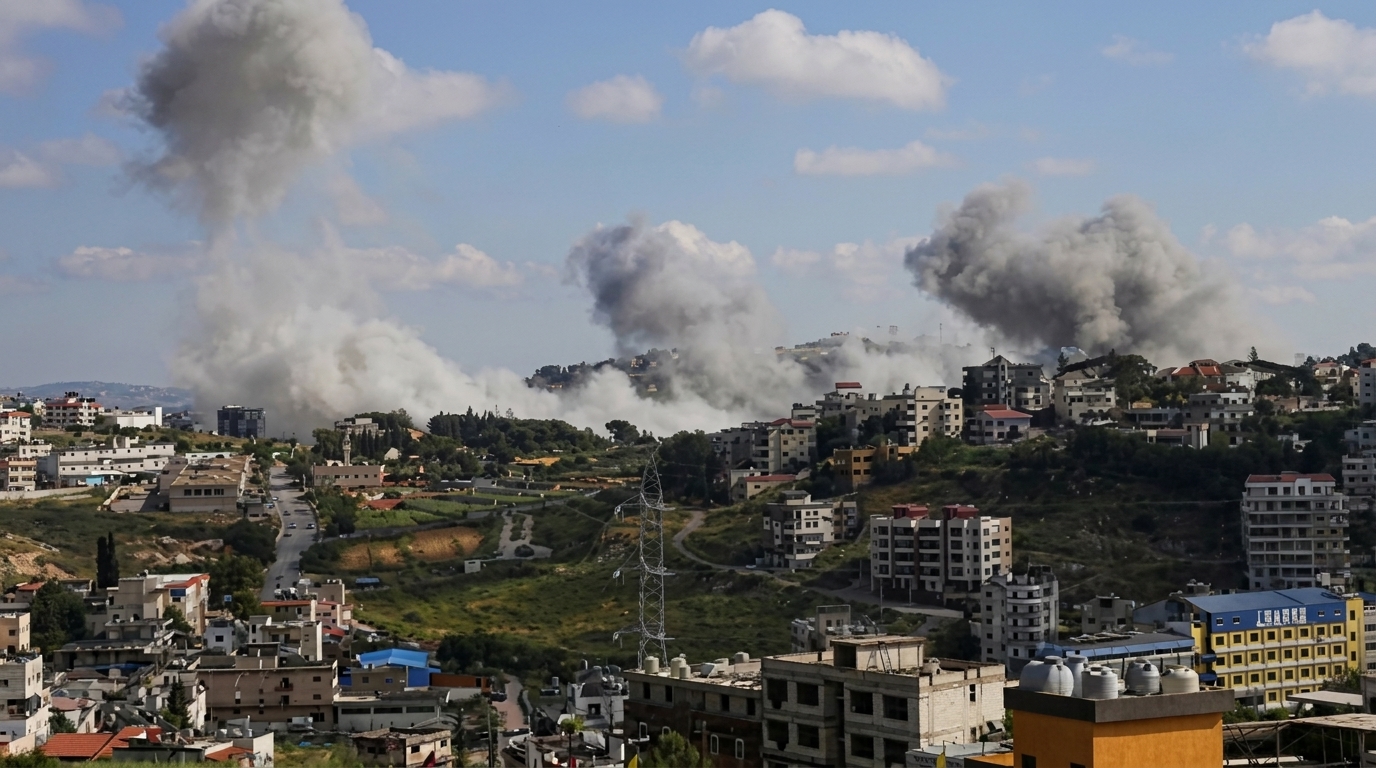
on monday, may 25, 2026, two things happened simultaneously that should not be able to coexist.
iran’s top negotiator and foreign minister flew to doha, qatar to meet with qatar’s prime minister about a framework agreement to end the three-month-old war between the united states and iran.
while those talks were happening, US central command announced strikes in southern iran.
“US forces conducted self-defense strikes in southern iran today to protect our troops from threats posed by iranian forces,” CENTCOM spokesman captain tim hawkins said. “targets included missile launch sites and iranian boats attempting to emplace mines. US central command continues to defend our forces while using restraint during the ongoing ceasefire.”
bombs falling. peace talks happening. the same day.
How the US Iran War Started
to understand monday’s strikes, you need to understand what this war is and how it began.
on february 28, 2026, the united states and israel launched a coordinated surprise attack on iran. the strikes targeted military and government sites and included the assassination of supreme leader ali khamenei and other senior iranian officials.
iran’s response was immediate and economically devastating. tehran effectively closed the strait of hormuz the world’s most vital energy chokepoint through which roughly 20-25% of global oil and liquefied natural gas passes every single day.
shipping traffic collapsed from approximately 140 vessels per day to just 2-4. insurance rates skyrocketed. thousands of seafarers were stranded.
american gas prices spiked almost immediately. the economic consequences rippled through every sector of the US economy.
What Operation Epic Fury Has Done
since the war began, US forces have carried out over 10,000 strike missions against iran. the operation dubbed operation epic fury has targeted iranian naval vessels, drone infrastructure, missile launch sites, and military command facilities.
a naval blockade of iran has been in effect since april 13, 2026.
the military campaign has significantly degraded iran’s ability to threaten shipping in the strait. but it has not ended the war. it has not reopened the strait to normal traffic. and it has not resolved the fundamental dispute between the two countries.
What the Peace Deal Actually Says
trump said saturday that the US and iran had “largely negotiated” a memorandum of understanding. the details of what has been agreed and what has not are still emerging.
current talks have centered on reopening the strait of hormuz. secretary of state marco rubio, speaking in new delhi on monday, said the agreement being discussed was “a pretty solid thing on the table in terms of their ability to open up the strait.” he said the US intended to engage in “a very real, significant, time-limited negotiation on the nuclear matter.”
iran’s state-backed news agency quoted a senior iranian diplomat as saying that iran has not made any commitment in negotiations on nuclear issues, including highly enriched uranium.
in other words the strait deal may be close. the nuclear deal is not.
What Iran Is Saying
iran’s semi-official news agencies which are routinely used to communicate leadership positions without official attribution have been sending a different message than the trump administration.
tasnim news agency, which is close to iran’s revolutionary guard corps, accused the US on monday of acting in bad faith. iran’s negotiators were in doha having talks and the US launched strikes the same day.
disputes over “one or two issues” are described by iranian sources as blocking the potential agreement. the specific issues have not been publicly identified but are believed to involve the sequencing of sanctions relief, the extent of iran’s nuclear program limitations, and security guarantees against future american or israeli military action.
Trump’s Warning “Back to the Battlefront”
trump, after saying saturday that the US and iran had “largely negotiated” a memorandum of understanding, backed away from the idea that a final deal is imminent on monday. “negotiations with the islamic republic of iran are proceeding nicely!” trump said. “it will only be a great deal for all or, no deal at all back to the battlefront and shooting, but bigger and stronger than ever before and nobody wants that!”
“bigger and stronger than ever before” is not diplomatic language. it is a threat.
war secretary pete hegseth had previously said monday would be “the largest volume of attacks since day one of this operation” and that the following day would be “even more than today.”
the united states is simultaneously telling iran that a deal is close and warning iran that the alternative is a military escalation beyond anything seen so far in the conflict.
What Rubio Said “One Way or Another”
US secretary of state marco rubio said tuesday that the strait of hormuz has to be open “one way or the other” when referring to US strikes on iran.
“one way or the other” means one of two things. either a diplomatic agreement opens the strait. or military force does.
rubio’s framing suggests the united states views the strait reopening as non-negotiable a matter of when, not if, regardless of whether talks succeed or fail.
What This Means for Your Gas Prices
the strait of hormuz remains the central economic issue for ordinary americans in this conflict.
as long as the strait remains effectively closed with shipping reduced from 140 vessels to 2-4 per day global oil supply is constrained. american gas prices remain elevated. every economic sector that depends on fuel costs is affected.
a deal that reopens the strait would provide immediate relief. a breakdown in talks that leads to escalated military action would likely tighten the strait further and push prices higher.
trump said saturday the deal is largely done. iran’s negotiators were in doha on monday. US bombs fell on southern iran on monday.
US Iran Strikes Ceasefire The Bottom Line
america bombed iran on monday. iran’s negotiators were at the table on monday. trump warned of bigger strikes if talks fail. rubio said the strait must open one way or another.
CENTCOM described the strikes as defensive targeting boats attempting to lay mines and missile launch sites that threatened US forces. iran has not officially commented on the strikes.
what the monday strikes represent a routine defensive action within an ongoing conflict, or a signal that american patience with negotiations is running out depends entirely on what happens in the next 72 hours.
the strait of hormuz is still not fully open. your gas prices still reflect that reality.
follow this blog for updates as the iran deal negotiations develop.