rochester man ICE email tracking: 6 facts about the case raising free speech alarms
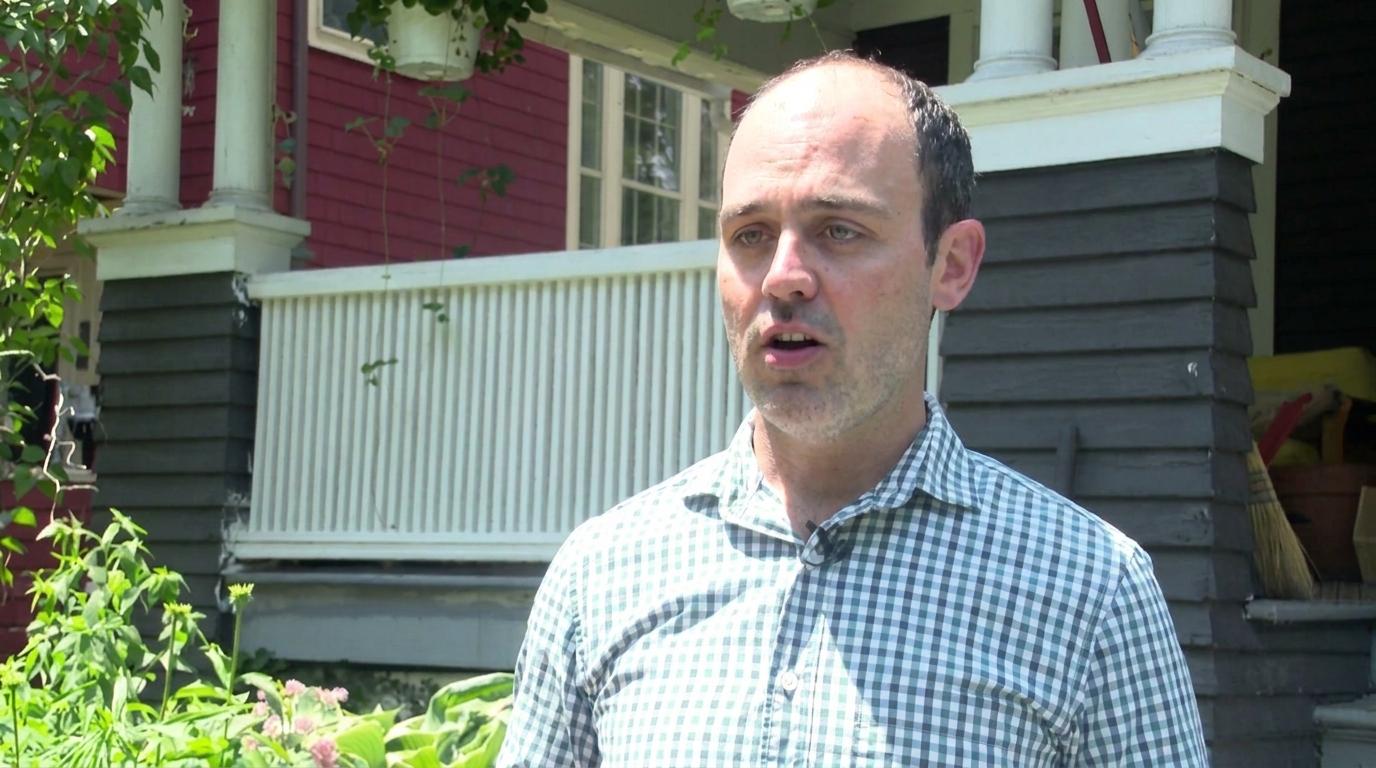
A tech worker in Rochester, New York found out while on vacation in Finland that federal agents had visited his home. Days later, a third agent tracked him to an airport hotel hundreds of miles from where he lived. The rochester man ICE email tracking case is now raising serious questions about the limits of government response to citizen criticism.
Here is what actually happened.
the email that started it all
David Streever, 45, a former journalist now working in tech, sent a single email to then-Acting ICE Director Todd Lyons on January 26, 2026. The rochester man ICE email tracking situation traces back entirely to that one message, sent to Lyons’ government email address in the immediate aftermath of federal immigration officers fatally shooting two people in Minneapolis.
In the email, Streever told Lyons that his own conscience would torment him in the future for his actions, and compared him to a Nazi official. It was, according to Streever, the only email he ever sent to Lyons. No follow-up messages, no pattern of contact, no history of harassment.
how he found out agents had visited his home
Streever was on vacation in Finland with his 7-year-old daughter when the rochester man ICE email tracking case began to unfold. He noticed his doorbell camera had captured footage of two law enforcement officers in blue jackets waiting on his front porch back in Rochester.
His wife, the Rev. Hilary Streever, an Episcopal priest, encountered the agents in person when she arrived home with the couple’s 2-year-old son, still wearing her clergy collar. The agents identified themselves as being from Homeland Security Investigations, a division of the Department of Homeland Security, and said they were there about “an email he may or may not have sent threatening Todd Lyons.”
the connection to a poll worker in syracuse
One of the most unsettling details in the rochester man ICE email tracking story is how Streever discovered he was not an isolated case.
He came across a news story about Paigelynne Gonyea, a poll worker in Syracuse who had been contacted by two HSI agents while working New York’s primary election on June 23 the same day agents visited Streever’s home. The agents had presented Gonyea with a form claiming her Instagram account may have violated the law.
Streever reached out to Gonyea directly. Comparing notes, they determined the agents who visited his Rochester home were the same pair who had visited Gonyea’s Syracuse polling place earlier that same day.
a third agent found him at an airport hotel
The most striking escalation in the rochester man ICE email tracking case happened after Streever’s vacation ended. Just a couple of hours after he landed at John F. Kennedy International Airport in New York on his way home, a third HSI special agent tracked him to the airport hotel where he was staying that night. The agent left a business card with the front desk.
This detail is what elevated the case from a single home visit to a pattern raising surveillance concerns. Streever had traveled internationally and domestically, and federal agents were able to locate his specific overnight lodging within hours of his arrival.
what the official notice actually said
The form left with Streever stated that ICE’s Office of Professional Responsibility “has identified an email sent to Acting ICE Director Todd Lyons, which it has reason to believe may constitute a violation of Title 19 of the U.S. Code,” and requested that he “promptly remove and/or discontinue the aforementioned behavior.”
The notice included a warning: “Receipt of this Notice will be taken into consideration, should you continue to be involved in any criminal activities described above.” Streever noted the strangeness of this framing, given that five months had passed since he sent the single email in question, with no further contact of any kind.
what free speech advocates are saying
The rochester man ICE email tracking case has drawn direct criticism from free speech organizations. Adam Steinbaugh, an attorney with the Foundation for Individual Rights and Expression (FIRE), called the government’s actions “clearly out of line.”
Steinbaugh emphasized that the First Amendment protects Americans’ rights to voice concerns to their government. “The government doesn’t have to listen to those, but it doesn’t get to dispatch federal agents to your door and stalk you across the state of New York,” he said.
the broader pattern this case fits into
The rochester man ICE email tracking incident is not occurring in isolation. For months, DHS and ICE have been conducting a broader crackdown on alleged threats against personnel and doxxing attempts, including sending administrative subpoenas to email and social media platforms to identify individuals who have posted about ICE anonymously.
Streever, reflecting on the scale of the government response to a single email, described himself to NPR as “one powerless citizen” who had “yelled into the void with a stern email to the former director of this agency six months ago.”
DHS did not respond to questions about the case, including whether the January 26 email was confirmed to be the trigger for the visits described.
Sources: NPR, KPBS, various NPR member stations July 1, 2026