supreme court birthright citizenship ruling: 7 things about the week the court sent mixed signals on presidential power
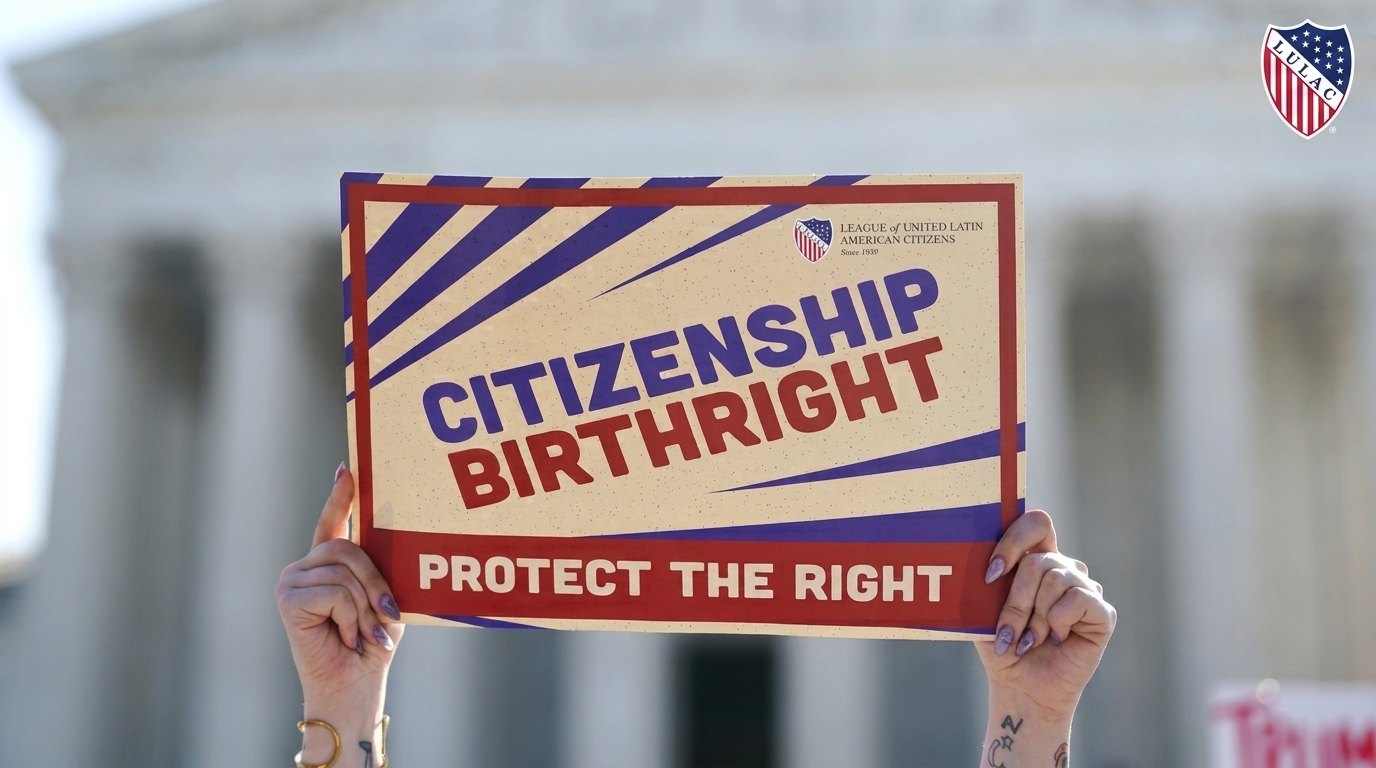
On Tuesday, the Supreme Court delivered one of its most significant constitutional rulings of the year. The supreme court birthright citizenship ruling struck down President Trump’s executive order attempting to end automatic citizenship for children born on US soil to non-citizen parents a right established by the Constitution more than 150 years ago. The ruling arrived in the same week as two other major decisions, creating one of the most consequential single weeks for the Supreme Court in recent memory.
Here is what actually happened.
what the birthright citizenship order tried to do
To understand the supreme court birthright citizenship ruling, you need to understand what Trump’s executive order actually attempted.
The 14th Amendment to the US Constitution, ratified in 1868, states that all persons born or naturalized in the United States are citizens. It was written specifically to guarantee citizenship to formerly enslaved people and their children following the Civil War, overturning the Supreme Court’s notorious Dred Scott decision that had denied citizenship to Black Americans.
Trump’s executive order sought to reinterpret that amendment to exclude children born in the US to parents who are undocumented immigrants or who are in the country on temporary visas. The order would have ended more than a century of settled legal understanding through a single presidential signature, without an act of Congress or a constitutional amendment.
what the supreme court actually decided
The supreme court birthright citizenship ruling rejected that attempt directly. The court determined that the president does not have the constitutional authority to redefine or restrict birthright citizenship through executive action, regardless of immigration policy goals.
This represents a significant check on executive power specifically in the constitutional citizenship context, arriving at a moment when the court has otherwise been expanding presidential authority in other areas.
the same week the court expanded presidential power elsewhere
What makes the supreme court birthright citizenship ruling particularly notable is its timing relative to another major ruling issued just days earlier.
Earlier the same week, the Supreme Court struck down a 91-year-old precedent that had protected independent federal agency officials from being removed by the president without cause. That ruling significantly expanded executive authority over agencies like the Federal Reserve, the FTC, and the SEC.
The supreme court birthright citizenship ruling essentially draws the opposite conclusion in a different context: while the president gained expanded removal power over agency officials, the court simultaneously affirmed that certain constitutional guarantees like birthright citizenship remain beyond the reach of unilateral executive action.
the campaign finance ruling that happened the same day
The supreme court birthright citizenship ruling was not the only major decision issued Tuesday. The court also struck down limits on coordinated campaign spending between candidates and political parties, a decision with direct implications heading into the 2026 midterm elections.
This ruling changes how much money national and state party committees can coordinate directly with individual candidate campaigns, potentially reshaping how campaign funds flow in the upcoming election cycle.
the geofencing warrant ruling
In a third major decision issued alongside the supreme court birthright citizenship ruling, the court ruled 6-3 that geofencing a law enforcement technique that uses location data to identify all devices present in a specific area during a specific time window violates the Fourth Amendment’s protection against unreasonable searches when conducted without a warrant.
Justice Elena Kagan wrote for the majority in that decision. The ruling restricts a surveillance technique that has become increasingly common in criminal investigations, requiring law enforcement to obtain warrants before compelling technology companies to hand over location data on all devices in a given area.
the temporary protected status ruling
The same week also saw the court rule on Temporary Protected Status, giving the Trump administration additional room to strip TPS protections from hundreds of thousands of people from the small number of countries that still maintain that status. This ruling, decided separately from the supreme court birthright citizenship ruling, moves in the direction of expanded executive authority over immigration status determinations.
why this week doesn’t fit a simple partisan narrative
The most important takeaway from the supreme court birthright citizenship ruling and the rulings surrounding it is that the court’s decisions this week do not form a clean, single-direction pattern.
Presidential power was expanded in the agency removal case. Presidential power was constrained in the birthright citizenship case. Campaign finance restrictions were loosened. Law enforcement surveillance authority was restricted. TPS protections were narrowed.
Legal analysts have noted that this pattern reflects a court applying specific constitutional doctrines to specific fact patterns, rather than pursuing a uniform ideological agenda across every case. The supreme court birthright citizenship ruling in particular reinforces that certain constitutional guarantees, once established, carry weight that survives even significant shifts in the court’s approach to executive authority elsewhere.
what comes next
The supreme court birthright citizenship ruling is now settled law, meaning children born in the United States retain automatic citizenship regardless of their parents’ immigration status, consistent with the understanding that has held since 1898’s United States v. Wong Kim Ark decision.
The broader question these rulings raise is how the current court will continue drawing lines between areas where it defers to executive authority and areas where it enforces hard constitutional limits. That question will likely define much of the court’s docket heading into the 2026 midterms and beyond.
Sources: NPR, CBS News, Associated Press June 30, 2026